
 EN
EN
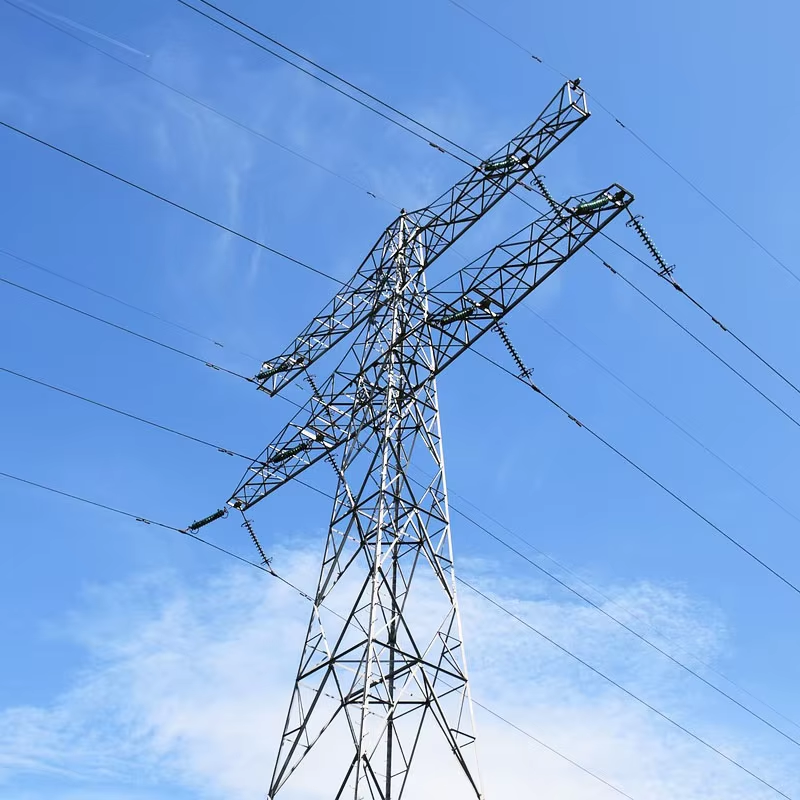
A transmission tower is a long-term asset. It must resist wind, ice and seismic load for decades with limited maintenance access. Choosing a supplier is an engineering decision, not a purchasing formality.
Design and Standards
Each tower is engineered against project-specific load cases — wind pressure, ice accumulation, conductor and earthwire tension, broken-wire condition, temperature range and seismic activity. Design follows recognized codes such as ASCE 10-15, IEC 60826, EN 50341 or the client's national standard. Voltage class, span length, line angle and terrain determine the tower type.
Materials and Fabrication
Lattice towers are fabricated from structural steel to grades such as ASTM A36, ASTM A572 Gr.50, Q235 or Q355. Members are cut, punched or drilled and assembled with bolted connections for site erection. Welding follows a qualified procedure and is inspected accordingly. All fasteners are galvanized to the same standard as the structure.
Corrosion Protection
Hot-dip galvanizing to ASTM A123 (ASTM A153 for hardware) or ISO 1461 is the standard protection for outdoor steel. Coating mass depends on steel thickness and the service environment — rural, industrial or coastal. Duplex systems may be specified for severely aggressive sites.
Structure Types
- Suspension and tension towers
- Angle, terminal and transposition towers
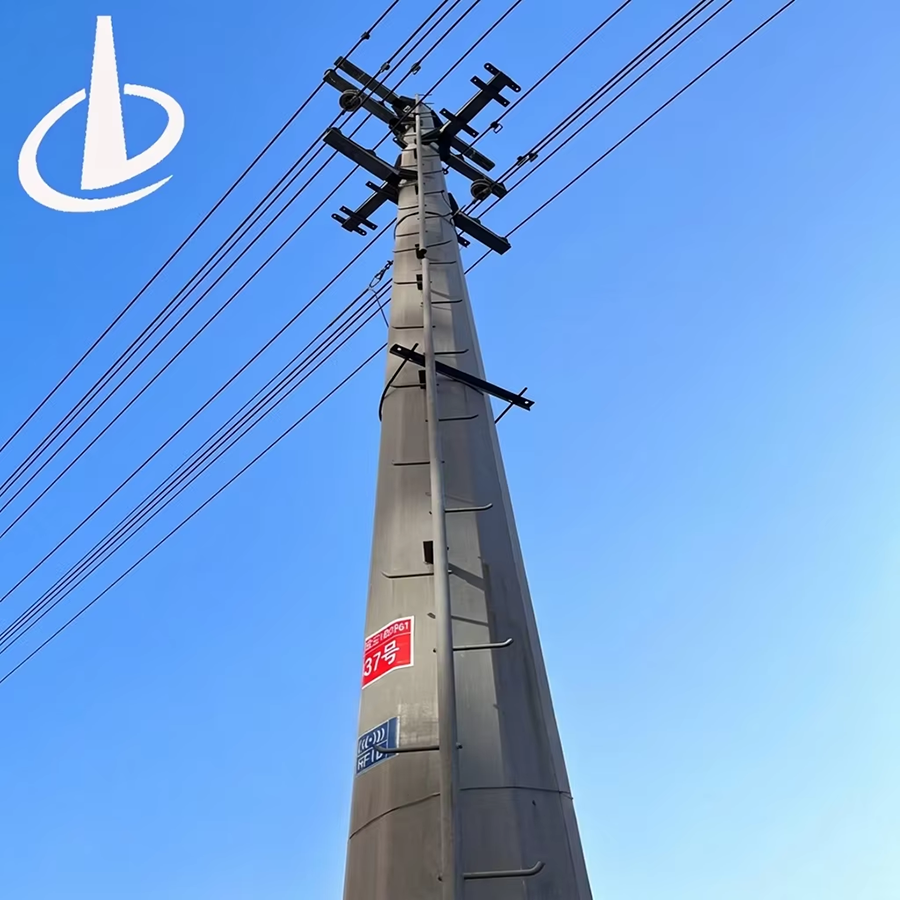
- Self-supporting, guyed and monopole structures
- Telecommunication and microwave towers
- Substation gantry frames
Foundations and Site Conditions
Terrain, soil bearing capacity, groundwater level and access routes influence tower design and foundation type — pad and chimney, pile, grillage or rock anchor. Geometry can be adjusted for restricted right-of-way, slope stability or heavy ice zones.
Quality Control and Documentation
Dimensional checks, weld inspection, galvanizing thickness measurement and trial assembly are carried out before shipment. Typical documents include mill test certificates, galvanizing reports, inspection records and a packing list.
Packing and Delivery
Members are bundled and marked with tower and member numbers to match the erection drawings; bolt sets are packed separately. Packing is designed for sea freight and extended storage at site.
Conclusion
Durability comes from correct design, verified material and controlled fabrication. A supplier able to document each step is a partner for the full service life of the line.