
 EN
EN
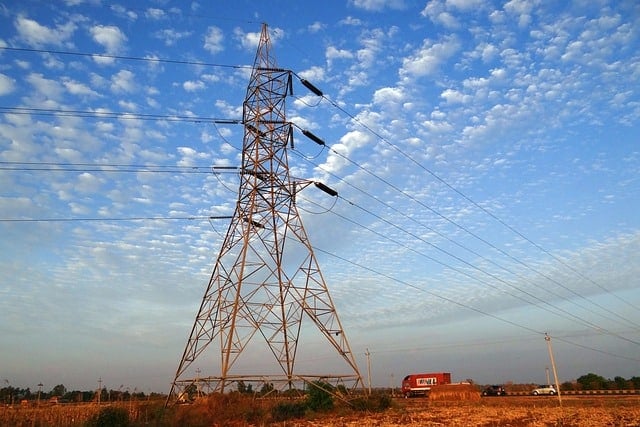
Meta description: Steel towers fail in the field, not at the factory gate — if quality is only checked at the end. Here's how process-built quality in steel tower fabrication protects your project timeline, budget and long-term performance.
Every transmission tower carries a simple promise: it must stand, load after load, storm after storm, for decades. Yet too many buyers only find out whether that promise holds at the final inspection — when rework is expensive, deadlines have slipped, and the tower has already left the shop floor.
At Xinyuan Iron Tower Group, we take the opposite approach: quality is built into the process, not the final inspection. The inspection table never made a tower stronger; only controlled fabrication steps can do that.
Why Final Inspection Can't Do the Job Alone
A tower is made of thousands of members, holes and welds. A defect found at final inspection is a symptom — the real problem happened hundreds of steps earlier, in the steel grade chosen, the hole punched off-center, the weld deposited by an uncertified hand.
Worse, inspection is a snapshot. It tells you what one tower looks like at one moment. It cannot tell you whether the next tower in the batch will be identical. Process control can.
That is why the world's most demanding utilities and EPC contractors don't just buy "a tower" — they buy a repeatable manufacturing system with documented controls at every stage.
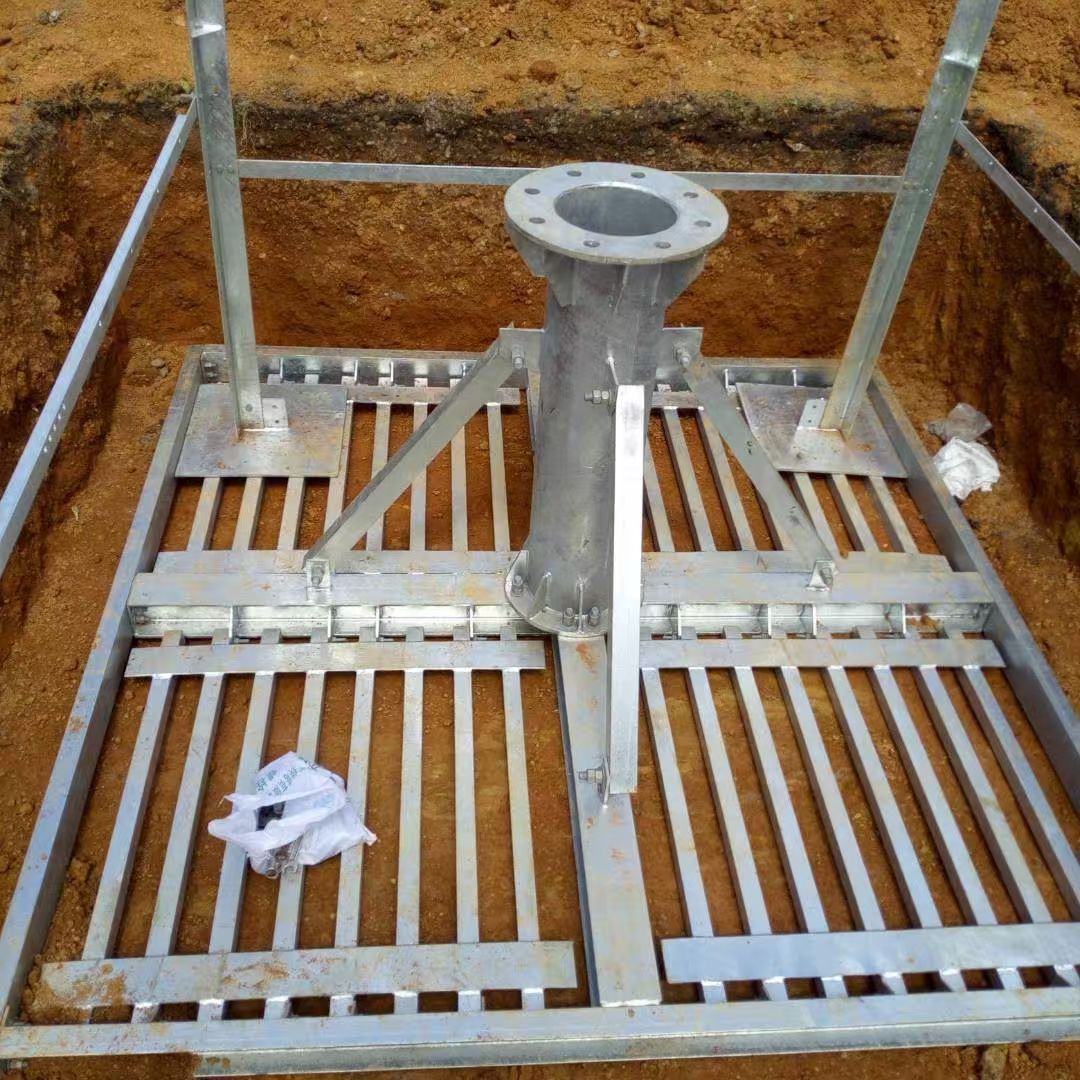
Where Quality Is Actually Built
1. Engineering and Detailing
Quality begins at the drawing board. Members must be sized correctly, connections verified, and every hole position and member length resolved before a single piece of steel is cut. We validate designs against the applicable standards (GB/T, ISO 9001 quality system, and international specifications such as ASTM/BS EN where required), then review the detailing drawings line by line with the production team — so that fabrication problems are caught in 2D, not on the shop floor.
2. Material Traceability
The tower is only as good as the steel inside it. Every batch of steel is verified against its mill certificate: grade, chemical composition and mechanical properties. Material is marked and traced from the warehouse to the finished member, so we can always answer one question: where did this piece of steel come from?
3. Cutting, Punching and Forming
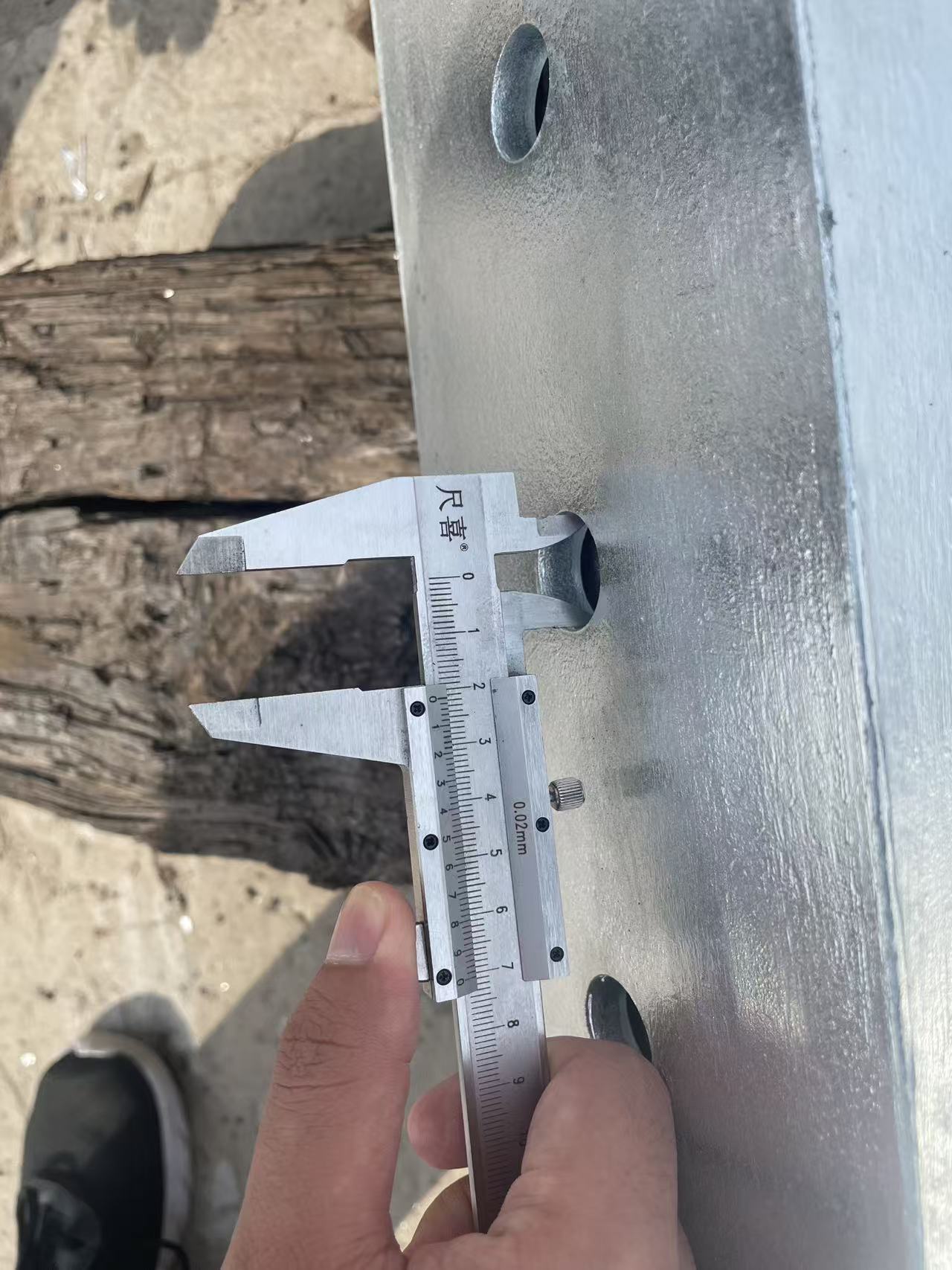
Holes that are off by a millimeter multiply across thousands of connections. We rely on CNC-controlled cutting and punching, with dimensions checked against the detail drawings at defined intervals — not once at the end of the line. The goal is simple: every member that leaves the machine is already within tolerance.
4. Welding
Welding is where steel towers are most often won or lost. Only certified welders work on our lines, using approved welding procedures (WPS). Weld quality is verified at the process level with established inspection methods, and weld records are kept for each tower — so the traceability chain from steel to weld to tower is never broken.
5. Trial Assembly
Before a tower ships, it is trial-assembled in the workshop. Members are fitted, bolt holes are checked against real bolts, and overall dimensions are verified. This is the single most valuable step for site teams: a tower that fits in our yard will fit on your foundation — with no drilling, no rework and no field improvisation.
6. Hot-Dip Galvanizing
Corrosion protection is quality too. We operate our own hot-dip galvanizing plant, so coating thickness, adhesion and coverage are controlled in-house rather than outsourced. Our plant is built with environmental treatment systems — sewage recycling, waste acid treatment, zinc smoke and acid fog control — because process quality includes doing it sustainably. The result is a zinc coating that protects the tower for decades in harsh environments.
7. Marking, Packing and Documentation
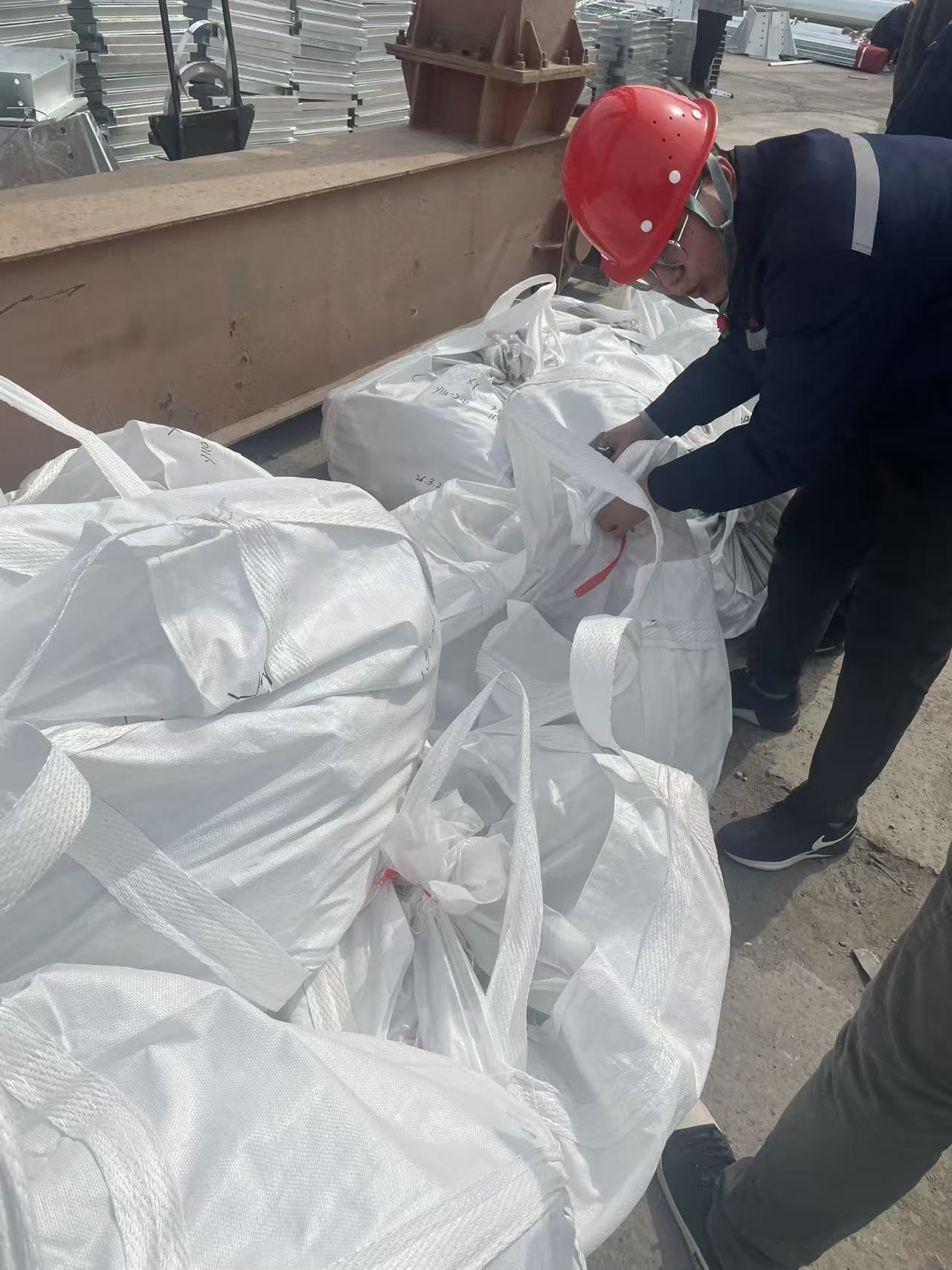
Finally, every member is marked for on-site identification, packed to survive ocean freight and road transport, and shipped with complete documentation: material certificates, welding records, inspection reports and assembly drawings.
What Process-Built Quality Means for You
When quality is engineered into the process, the benefits show up where it matters:
- Faster, smoother installation — members fit the first time, so your crew and crane hours stay on schedule
- Fewer surprises on site — no waiting for replacement members, no emergency drilling at height
- A longer service life — correct materials, welds and coating mean fewer maintenance cycles and lower lifetime cost
- Accountability — full traceability from steel mill to shipped member, auditable any time
Final inspection still happens at our factory. But it is a verification, not a safety net — and third-party inspectors are always welcome on our floor.
Xinyuan Iron Tower Group: Quality as a System
Since 1994, Xinyuan Iron Tower Group has manufactured transmission towers, communication towers, substation structures and steel structures from our factory in Hengshui, Hebei. With 695 employees, over 120,000 ㎡ of workshop space and an annual tower production capacity of more than 70,000 tons, we build for projects in more than 50 countries — from 10kV distribution lines to 500kV transmission systems.
Our quality system is certified to ISO 9001, and our in-house galvanizing plant gives us end-to-end control that many competitors simply don't have. When a Xinyuan tower leaves the factory, it has been checked at every step — because quality was built in long before the final inspection.
The Bottom Line
Don't buy a tower that hopes to pass inspection. Buy one where quality was built in from the first cut to the last coat of zinc.
Contact Xinyuan Iron Tower Group today for your next transmission tower, communication tower or substation project — and see what process-built quality can do for your timeline and your budget.