![El precio de venta de la empresa fue de aproximadamente [...] EUR.](https://shopcdnalpha.grainajz.com/category/398441/2574/91f5591993b536441537f995aa52dd00/f16016b5-24ab-4391-a0fd-b65c47746891.jpg)
 EN
EN
La selección de la torre es una decisión clave temprana en el diseño de líneas de transmisión. Reticulada de acero torres y los postes eléctricos (de acero o de hormigón) son dos estructuras de soporte comunes, cada una con un ámbito de aplicación bien definido. La elección afecta no solo la escala de la inversión, sino también el cronograma, la estrategia de mantenimiento y la fiabilidad general de la línea. Una decisión inadecuada puede incrementar los costos, generar conflictos sobre el derecho de paso o complicar el mantenimiento. Esta guía analiza la decisión desde cinco ángulos: comportamiento estructural, huella en el terreno, costo, construcción y mantenimiento.
1. Principios estructurales y comportamiento bajo carga
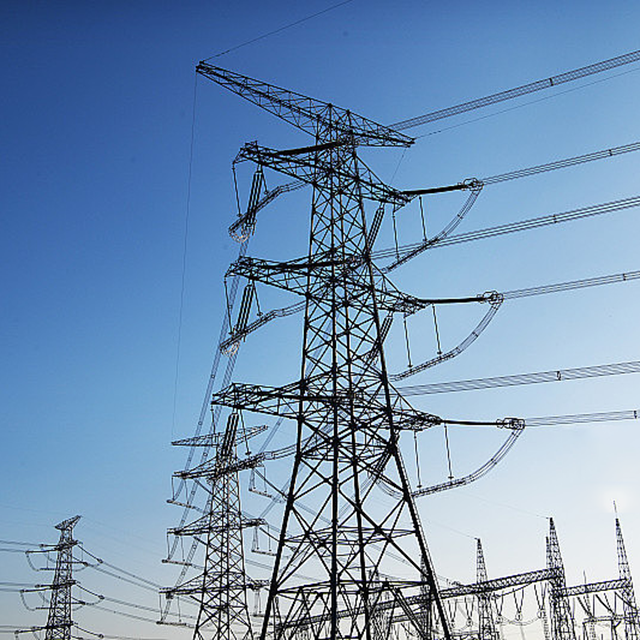
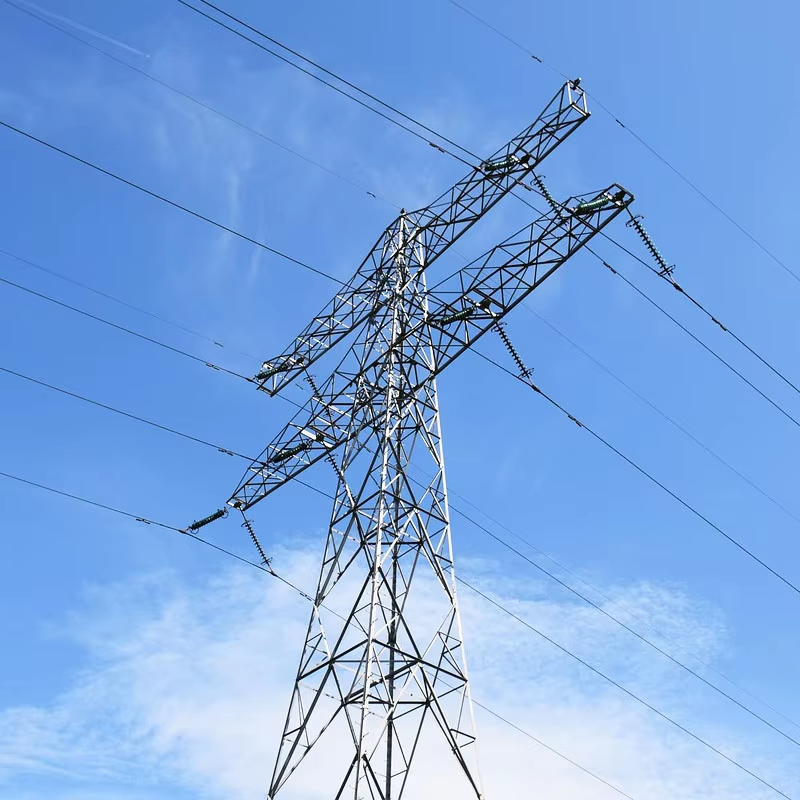
Una torre reticulada es una cercha espacial construida con perfiles angulares unidos mediante placas de nudo y tornillos, que se estrecha desde una base cuadrada. La forma reticulada aprovecha eficientemente el material, lo que permite alturas elevadas y vanos largos con un peso propio relativamente reducido. Las disposiciones de los brazos transversales y de los puntos de fijación de los conductores pueden adaptarse a las necesidades específicas de la línea, permitiendo múltiples circuitos sobre una sola torre; por ello, las torres reticuladas se utilizan ampliamente en líneas de transmisión de alta y extraalta tensión de larga distancia.
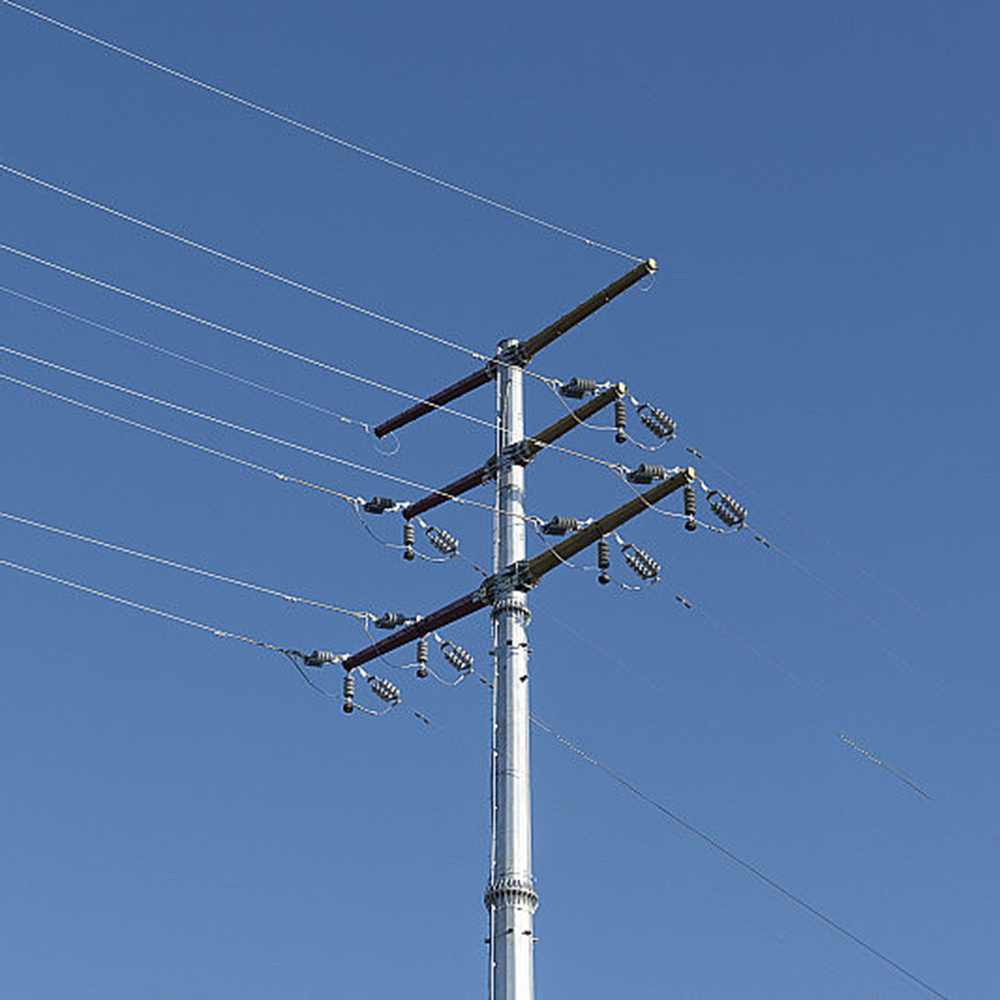
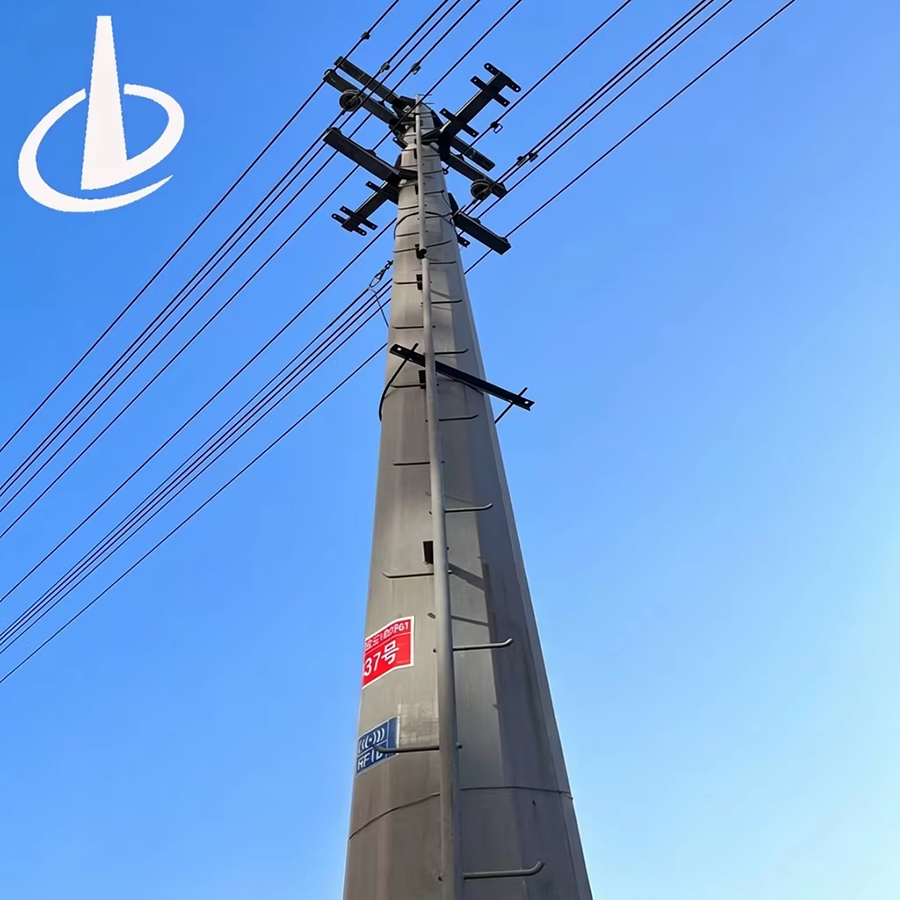
Un poste es una estructura de un solo eje. Los postes de acero dependen del gran diámetro y del espesor de la pared para su capacidad a la flexión y suelen tener un perfil cónico (afinado), lo que combina eficiencia estructural con una apariencia limpia; son adecuados para líneas de media tensión y corredores urbanos restringidos. Los postes de hormigón ofrecen un costo controlado y se usan ampliamente en redes de distribución. Una sección de un solo eje es compacta, pero, a igual altura, su eficiencia estructural en acero es menor que la de una torre reticulada, por lo que las aplicaciones muy altas requieren un aumento del diámetro y del espesor de la pared.
2. Escenarios de aplicación: tensión y corredor, en primer lugar
El nivel de tensión es la referencia principal: las líneas de distribución y media tensión (por ejemplo, 10 kV–110 kV) suelen usar postes por su economía y rápida instalación; para tensiones de 110 kV y superiores, en recorridos largos, las torres reticuladas ofrecen ventajas en altura, vano y capacidad de carga.
Las condiciones del corredor son igualmente importantes: en zonas urbanas consolidadas y a lo largo de carreteras donde el espacio es limitado, la pequeña huella de un poste individual constituye una ventaja significativa; en montañas, colinas y tramos que cruzan valles, las torres reticuladas pueden utilizar patas de longitud ajustable para adaptarse a las pendientes y lograr vanos largos con menos cimentaciones.
Los entornos especiales requieren una evaluación independiente: en regiones propensas a tifones o con cargas importantes de hielo, las torres reticuladas ofrecen coeficientes de forma aerodinámica relativamente estables y pueden reforzarse aumentando las secciones de sus elementos para soportar cargas de hielo; los postes individuales sometidos a vientos fuertes exigen una verificación específica de su comportamiento a flexión y torsión, basada en los datos meteorológicos locales.
Los dos sistemas no son excluyentes entre sí: muchos proyectos los combinan por tramos —postes en segmentos urbanos y torres reticuladas en segmentos rurales y montañosos—.
3. Huella y cimentaciones
Una torre de celosía tiene cuatro patas principales y cuatro cimientos independientes, con una huella y una excavación sustancialmente mayores que las de un poste; los trabajos de cimentación requieren un terreno razonablemente llano, y en terrenos empinados puede ser necesario emplear cimientos escalonados o diseños de patas desiguales.
Un poste individual tiene un único eje principal y una cimentación sencilla (enterramiento directo o pilote), ocupa poco espacio y minimiza el impacto sobre carreteras y servicios públicos existentes, una característica valiosa en corredores estrechos.
En proyectos de renovación urbana y ensanchamiento de vías, los costes de adquisición de terrenos y de compensación suelen superar la diferencia de precio estructural, lo que potencia las ventajas de las estructuras de eje único. Donde la sensibilidad paisajística es relevante (zonas panorámicas, avenidas urbanas), el perfil más esbelto de las estructuras de eje único se integra con mayor facilidad en el entorno.
4. Consideraciones de coste y ciclo de vida
Las torres de celosía logran una utilización eficiente del acero y un costo de fabricación más bajo por tonelada, lo que les otorga una sólida economía general en compras por lotes y en aplicaciones de gran altura y largos vanos; la contrapartida es la elevada cantidad de elementos estructurales y una considerable cantidad de trabajo de ensamblaje in situ.
Los postes de acero tienen un costo unitario más alto —los tubos de gran diámetro consumen más acero—, pero los costos de cimentación y de terreno son menores y la instalación es más rápida, lo que los hace adecuados para proyectos sensibles a los plazos y con restricciones de espacio.
Para mantenimiento: las torres de celosía tienen muchas uniones atornilladas que requieren inspección y apriete periódicos, aunque la carga de trabajo sigue siendo manejable mientras el recubrimiento galvanizado se encuentre en buen estado; entre los postes, los de hormigón necesitan atención especial respecto a grietas y envejecimiento, mientras que los de acero exigen monitoreo de daños en el recubrimiento o la pintura. Obsérvese que la galvanización en caliente constituye un ítem significativo de costo tanto en torres de celosía como en postes: el espesor del recubrimiento y los criterios de aceptación deben especificarse claramente en el contrato y los planos. El costo del ciclo de vida debe incluir conjuntamente la instalación, el terreno, las inspecciones y el mantenimiento contra la corrosión.
5. Construcción y cronograma
Las torres de celosía suelen enviarse como piezas sueltas y ensamblarse in situ, con una dependencia considerable de mano de obra manual y equipos ligeros, especialmente en zonas de acceso difícil; por lo tanto, su montaje lleva más tiempo.
Los postes se pueden transportar enteros o en secciones y erigirse mediante maquinaria, con un tiempo de instalación por unidad corto, lo que los hace adecuados para proyectos acelerados con buen acceso.
Las decisiones deben considerar las vías de acceso al emplazamiento, las condiciones de izado y los costos laborales, ya que el método de erección afecta tanto el cronograma como los gastos.
6. Lista de verificación para la selección
Revise los siguientes puntos en orden:
- Nivel de tensión y capacidad de transmisión: determina aproximadamente el sistema estructural;
- Ancho del corredor y condiciones del terreno: los tramos estrechos o sensibles favorecen los postes;
- Topografía y requisitos de cruces: las montañas y los cruces de valles favorecen las torres reticuladas;
- Condiciones geológicas y de cimentación: idoneidad de pilotes y costo de la cimentación;
- Cronograma y acceso al emplazamiento: caminos de transporte y capacidad de izado;
- Estrategia de mantenimiento y corrosión: frecuencia de inspección y cuidado durante todo el ciclo de vida.
Resuma estos factores en una tabla comparativa y ordénelos según su relevancia para su proyecto; en la mayoría de los casos, una estructura adecuada se vuelve evidente rápidamente.
Cierre
No existe un ganador absoluto entre las torres reticuladas y los postes: solo hay la opción que mejor se adapta a las condiciones del proyecto. Incluya en la misma tabla el voltaje, el corredor, el terreno, el costo, el cronograma y el mantenimiento, y la elección quedará clara. Si está planificando un proyecto de línea de transmisión, nos complace entablar una conversación sobre la selección estructural.
Tabla de contenidos
- 1. Principios estructurales y comportamiento bajo carga
- Una torre reticulada es una cercha espacial construida con perfiles angulares unidos mediante placas de nudo y tornillos, que se estrecha desde una base cuadrada. La forma reticulada aprovecha eficientemente el material, lo que permite alturas elevadas y vanos largos con un peso propio relativamente reducido. Las disposiciones de los brazos transversales y de los puntos de fijación de los conductores pueden adaptarse a las necesidades específicas de la línea, permitiendo múltiples circuitos sobre una sola torre; por ello, las torres reticuladas se utilizan ampliamente en líneas de transmisión de alta y extraalta tensión de larga distancia.
- Un poste es una estructura de un solo eje. Los postes de acero dependen del gran diámetro y del espesor de la pared para su capacidad a la flexión y suelen tener un perfil cónico (afinado), lo que combina eficiencia estructural con una apariencia limpia; son adecuados para líneas de media tensión y corredores urbanos restringidos. Los postes de hormigón ofrecen un costo controlado y se usan ampliamente en redes de distribución. Una sección de un solo eje es compacta, pero, a igual altura, su eficiencia estructural en acero es menor que la de una torre reticulada, por lo que las aplicaciones muy altas requieren un aumento del diámetro y del espesor de la pared.
- 2. Escenarios de aplicación: tensión y corredor, en primer lugar
- 3. Huella y cimentaciones
- 4. Consideraciones de coste y ciclo de vida
- 5. Construcción y cronograma
- 6. Lista de verificación para la selección