
 EN
EN
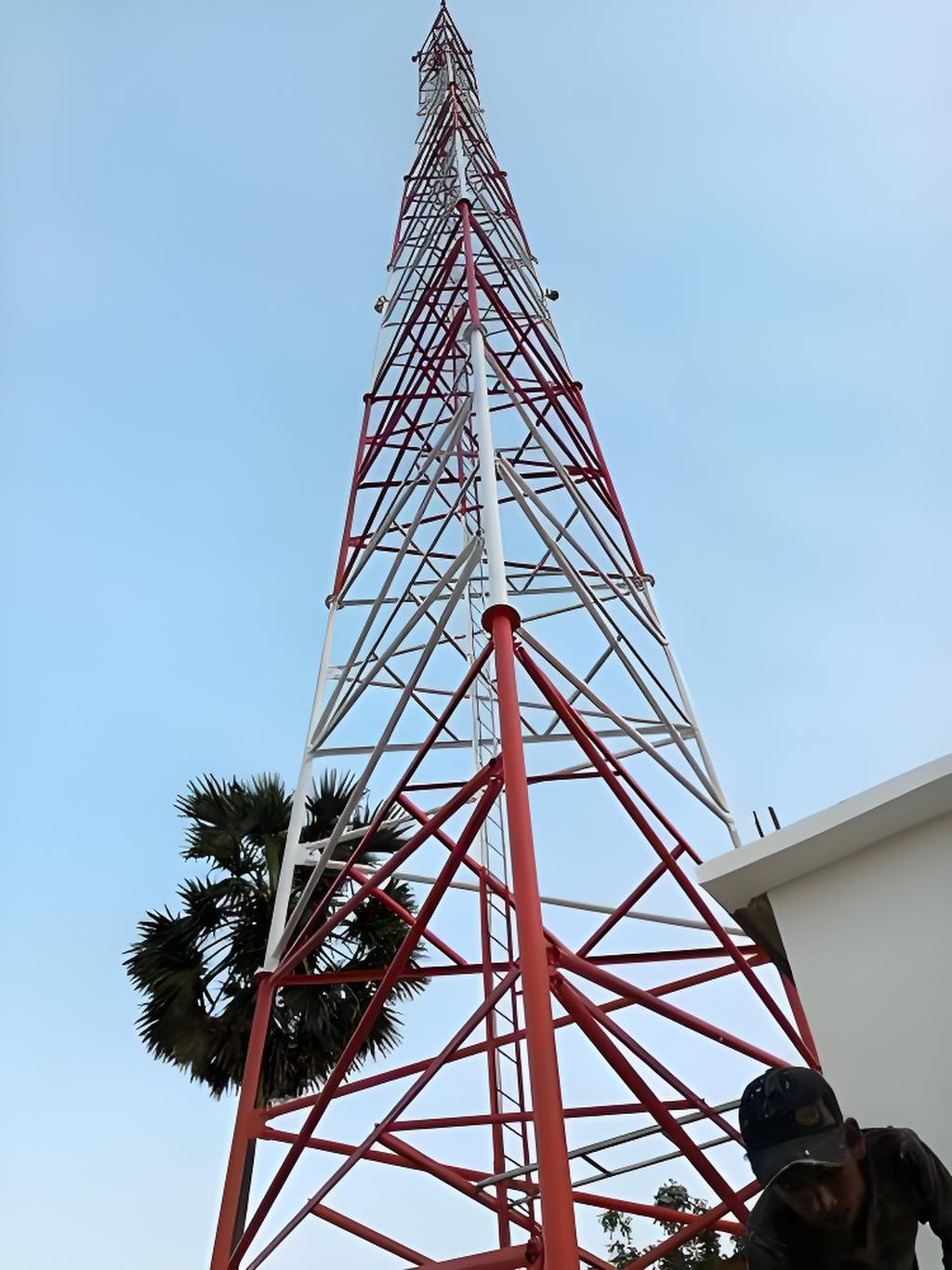
Комуникациони куле формирају физичку кичму мобилних мрежа. За стране оператере, системске интеграторе и ЕПЦ извођаче, једна кула набавке обухвата стандарде, материјале, производњу, сертификацију и логистику и јаз у било којој области може одложити распоред или компромитисати перформансе мреже. Овај водич води кроз шест кључних димензија које треба узети у обзир приликом избора добављача кула.
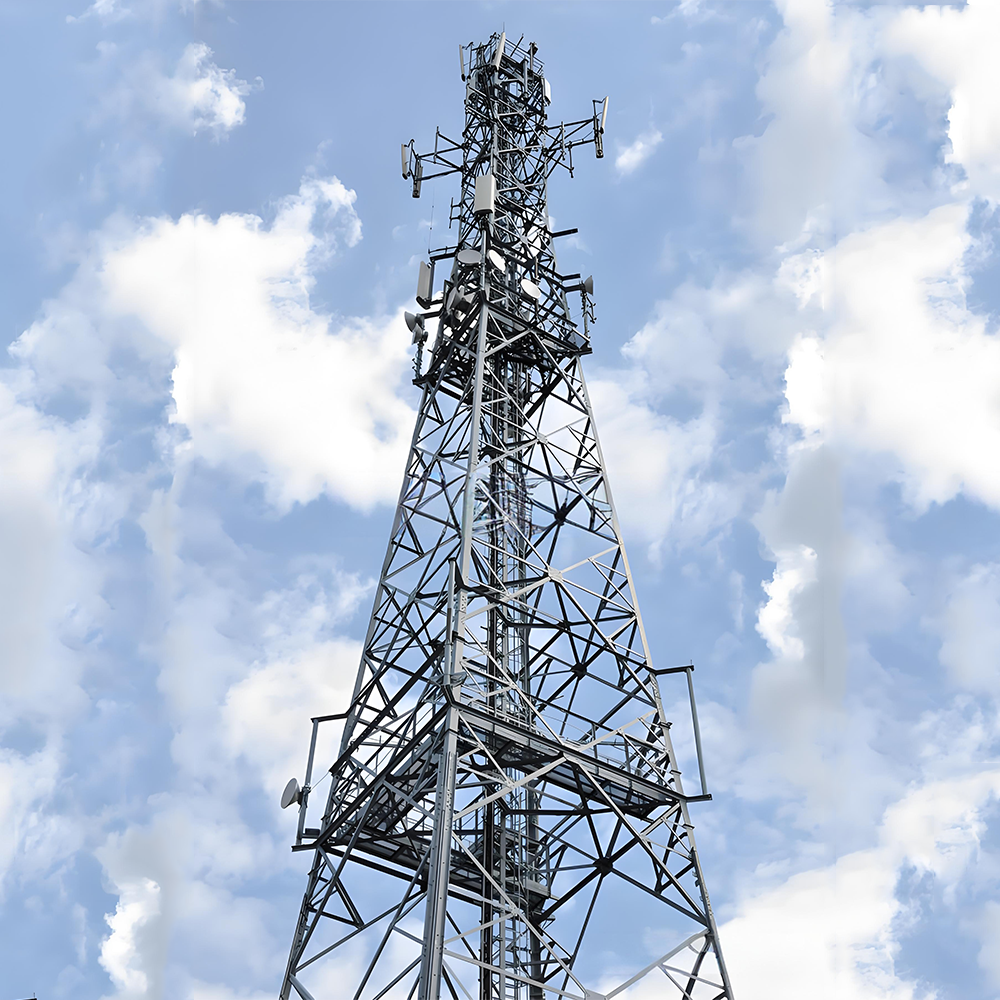
1. у вези са Определите захтев: Услови локације су на првом месту
Први корак у набавци није тражење понуде, већ дефинисање услова пројекта. Тип куле (самоносилац, гајди, монопол, решетка или скривен) зависи од локације. Проектирање оптерећења мора узети у обзир тежину и површину ветра монтиране опреме (антене, РРУ), локалну брзину ветра, оптерећење ледом и сеизмичке податке. Потребе за заштиту од корозије значајно се разликују између обалног ваздуха са пуно соли, излагања ултравиолетовим зрацима на великој висини и хладних или ветровитих подручја. Мрежна технологија (4G/5G, микроталасна, емитовање) одређује висину кула, број платформи и простор за инсталацију. Препоручујемо да испоручници у фази истраживања пруже потпуне податке о истраживању локације, тако да детаљни дизајн може бити исправно завршен у првом пролазу.
2. Уколико је потребно. Материјали и заштита од корозије: суштина трошкова животног циклуса
Стилска класа и заштита од корозије воде укупне трошкове власништва. Уобичајене конструктивне категорије укључују К235Б и К355Б (или еквивалентне); добављач треба да пружи сертификате за фабрику са сваким испоруком. Гратко-потапање треба да се спроводи у складу са ИСО 1461 или АСТМ А123, са дебелином премаза који одговара локалној категорији корозије. У типичним атмосферским условима, у складу са цинковим премазом може пружити деценије заштите, иако се стварни животни век мења у зависности од окружења. За обалне или веома корозивне локације, размислите о повећаној дебљини премаза или о сталу који се издрже од ветра. Када упоређујете цитате, погледајте изван цене по тони шема за заштиту од корозије одређује трошкове одржавања за наредне деценије.
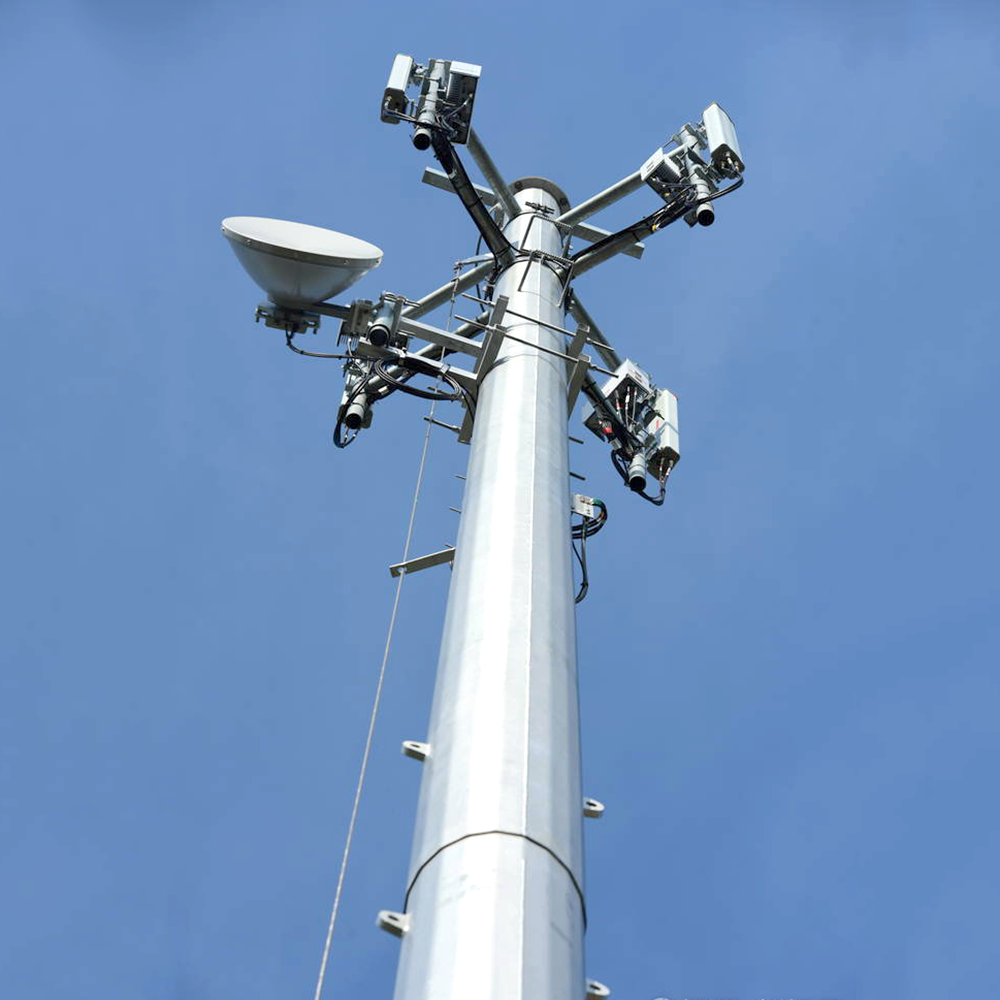
3. Уколико је потребно. Стандарди и сертификација: У складу је улазни билет
Извозени куле морају задовољити захтеве циљног тржишта. За конструктивни дизајн, ТИА-222-Г/Х је уобичајен у Северној Америци, док се Еврокод 3 (ЕН 1993) широко користи у Европи; стандарди материјала укључују АСТМ А36/А572 и ЕН 10025; циљање следи ИСО 1461 или АСТМ А123; Проверите да ли добављач може да обезбеди извештаје о структурним израчунима, да изради коментаре о прегледама и извештаје о испитивању треће стране. Такође потврдите инспекционе и царинске услове земље увоза за челик и циљане компоненте пре испоруке, тако да пропусти у складу не појаве након доласка.
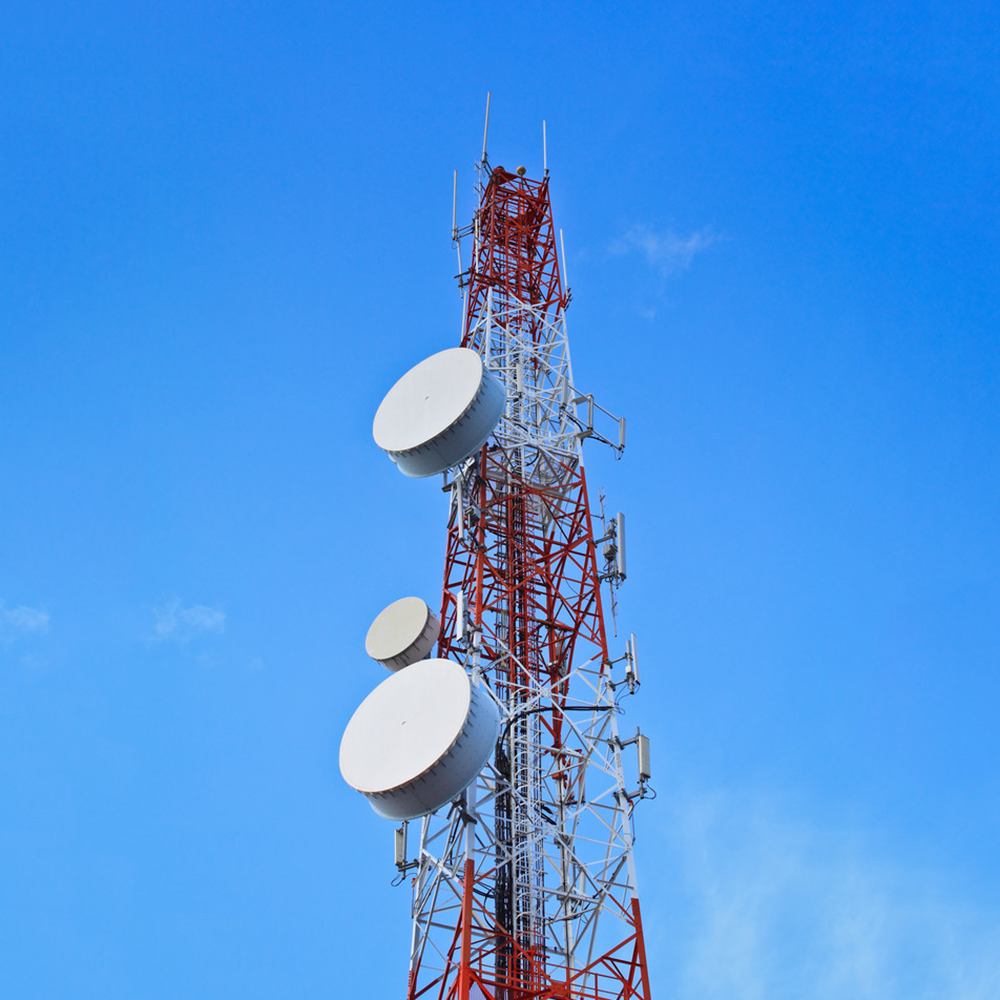
4. Уколико је потребно. Процес производње и контрола квалитета
Дуготрајна поузданост се гради током производње. Обратите пажњу на тачност сечења, дупљења и обраде челичних секција. Заваривање треба подржавати квалификованим процедурама (WPS/PQR). Потпуна пробна монтажа пре испоруке је критичан корак за верификацију усклађености рупа и прилагођености и директни прозор у фабрику. Инспекција треба да укључује узорке димензија, мерење дебелине премаза (магнетна метода) и визуелне проверке. Ако је могуће, организујте ревизију фабрике на месту или видео, фокусирајући се на регистре инспекције, опрему за тестирање и кућно чишћење.
5. Појам Инжењерска подршка и пројектне услуге
Пројекат куле ретко је чист уговор о снабдевању. Процените способност добављача у детаљном пројектовању и лофтингу (производњу цртежа продавнице и цртежа монтаже на основу ваших цртежа), снабдевању помоћним материјалима (накитни болтови, коннектори, материјали за заземљавање), искуству инсталације у иностранству и техничкој подрш Тражите референце из сличних пројеката у иностранству и потврдите механизам комуникације и одговора.
6. Уколико је потребно. Упоредите сходно: Цена није једини показатељ
Када упоређујете цитате, раздвојите трошкове на дизајн, материјале, галванисање, паковање, тестирање и логистику тако да је свака компонента видљива. Из перспективе животног циклуса, укупни трошкови једнаки су куповној цени плус инсталација, одржавање и замена заштита од корозије и контрола квалитета правилно извршена на првом месту значајно смањују одржавање и прераду. Осим цене, процени техничку отзивљивост, доводне резултате и спремност за изградњу дугорочног партнерства.
Затварање
Набавка комуникационих кула је системска вежба. Избор није једноставно поређење цена; то је свеобухватна процена дизајнерских, производних и испоручних способности добављача. Определите захтев јасно, ставите стандарде у уговор и проверите процес на сваком кораку и пројекат је углавном на путу. Ако планирате пројекат комуникационог кула, добродошли смо дискусији о детаљима о избору.