
 EN
EN
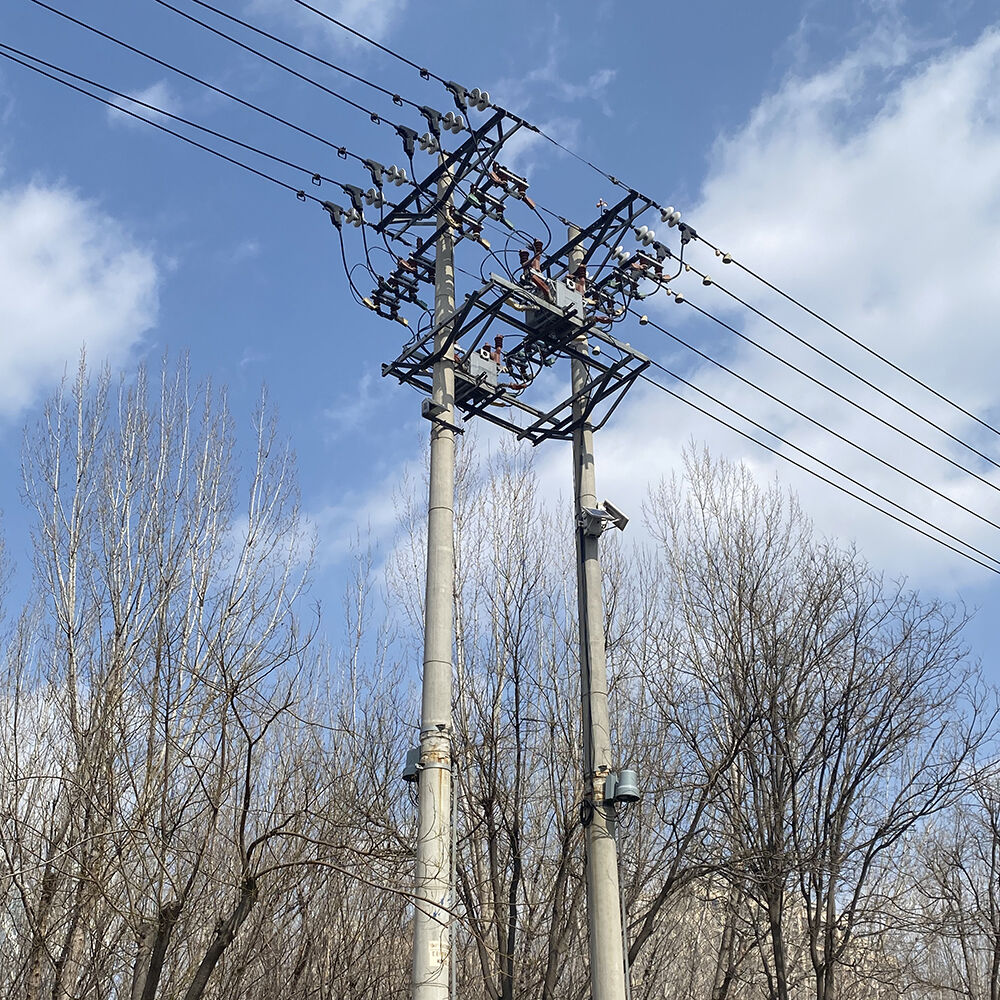
สวัสดีค่ะทุกท่าน วันนี้เราจะเจาะลึกอุตสาหกรรมการส่งผ่านพลังงานไฟฟ้า และอธิบายอย่างละเอียดเกี่ยวกับการจัดหมวดหมู่แบบครบถ้วนของ power Tower ระดับแรงดันไฟฟ้า ตั้งแต่หอคอยจ่ายไฟแรงต่ำ 10 กิโลโวลต์ ไปจนถึงหอคอยส่งไฟฟ้าแรงสูงพิเศษ 1,000 กิโลโวลต์ เนื้อหาเชิงปฏิบัตินี้เหมาะสำหรับผู้ปฏิบัติงานในอุตสาหกรรม ผู้จัดจำหน่ายสินค้าเพื่อการส่งออก และผู้ที่ชื่นชอบอุตสาหกรรมพลังงานไฟฟ้า ซึ่งควรค่าแก่การเก็บไว้อ้างอิง
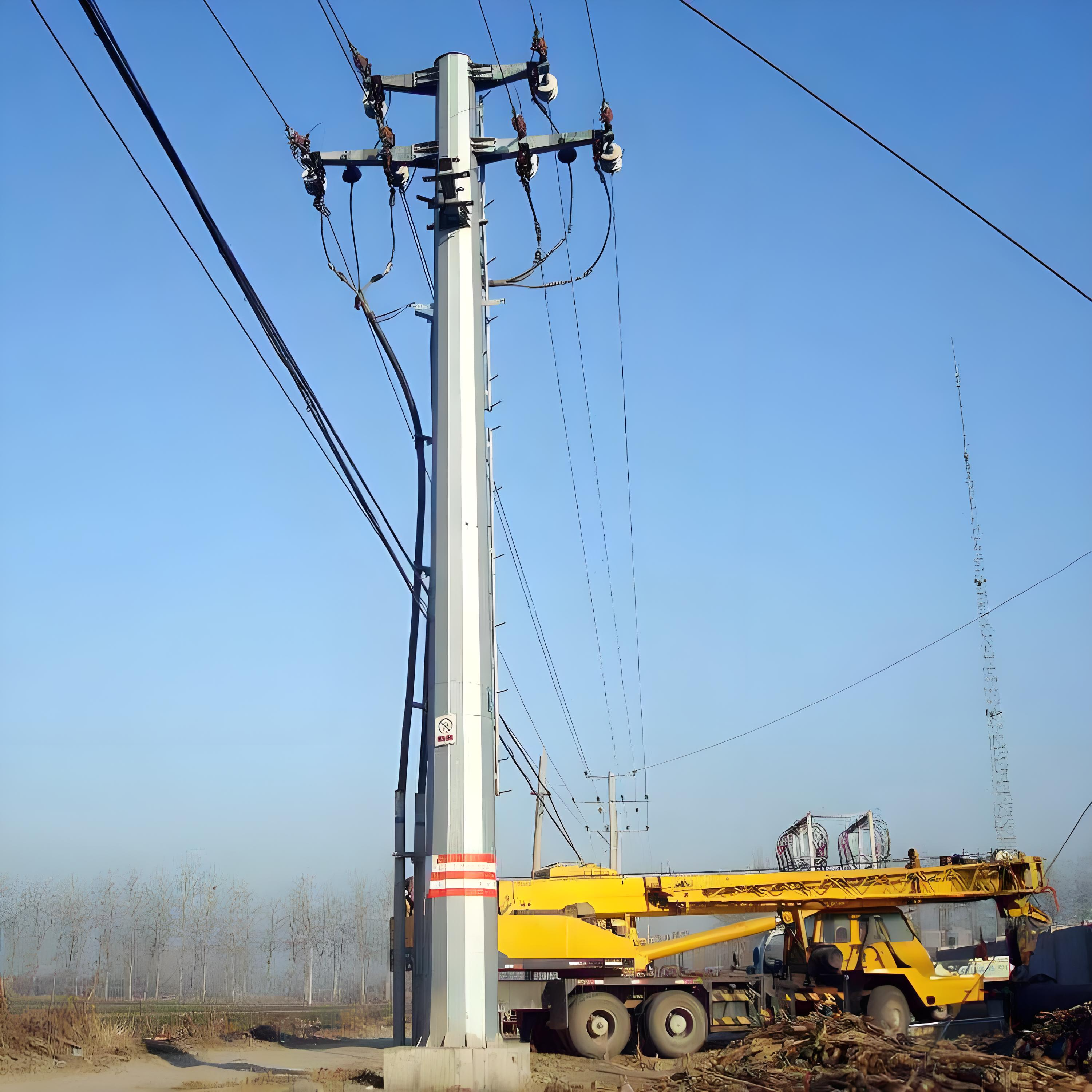
เราสามารถมองเห็นหอคอยส่งไฟฟ้าได้อย่างง่ายดายตามข้างถนนและในทุ่งนาในชีวิตประจำวัน ส่วนใหญ่แล้ว ผู้คนรู้เพียงว่าหอคอยเหล่านี้ใช้สำหรับการส่งผ่านพลังงานไฟฟ้า แต่ไม่สามารถระบุแรงดันไฟฟ้าที่ใช้งานได้ รวมทั้งวัตถุประสงค์ในการใช้งานและความแตกต่างของหอคอยที่มีความสูงและรูปร่างต่างกันได้ แท้จริงแล้ว หอคอยส่งไฟฟ้ามีมาตรฐานการแบ่งระดับอย่างเคร่งครัด ตั้งแต่แรงดันต่ำ ไปจนถึงแรงดันสูงพิเศษ โดยแต่ละช่วงแรงดันจะสอดคล้องกับโครงสร้างหอคอยเฉพาะ ข้อกำหนดวัสดุ ระยะห่างระหว่างหอคอย และสถานการณ์การใช้งานที่เหมาะสม ครอบคลุมทั้งระบบจ่ายไฟฟ้าในเขตเมืองและชนบท การจ่ายไฟฟ้าระดับภูมิภาค การส่งไฟฟ้าข้ามจังหวัด และการส่งพลังงานไฟฟ้าระดับชาติ
ก่อนอื่น ขอเริ่มต้นด้วยระดับแรงดันไฟฟ้า 10 กิโลโวลต์ ซึ่งเป็นระดับที่พบได้บ่อยที่สุดในการใช้งานทั่วไป หอคอยส่งจ่ายไฟฟ้าแรงดัน 10 กิโลโวลต์ จัดอยู่ในกลุ่มหอคอยส่งจ่ายไฟฟ้าแรงต่ำ ซึ่งเป็นโครงสร้างพื้นฐานด้านพลังงานที่พบเห็นได้บ่อยที่สุดบริเวณเขตชุมชนเมือง เขตเมืองเล็กๆ ตามชนบท และนิคมอุตสาหกรรม หอคอยประเภทนี้มีขนาดเล็ก มีโครงสร้างเรียบง่ายและเบา ผ่านการเคลือบป้องกันการกัดกร่อนด้วยเทคนิคชุบสังกะสีแบบจุ่มร้อน (Hot-dip Galvanizing) ที่ได้มาตรฐาน จึงเพียงพอต่อความต้องการใช้งานประจำวัน โดยหอคอยเหล่านี้ทำหน้าที่หลักในการจ่ายไฟฟ้าให้กับย่านเมือง หมู่บ้าน และโรงงานขนาดเล็ก โดยเน้นการส่งจ่ายไฟฟ้าระยะสั้น ระยะห่างระหว่างจุดติดตั้งสั้น และติดตั้งได้ง่าย จึงถือเป็นหอคอยไฟฟ้าพื้นฐานที่มีความต้องการสูงมากในธุรกิจส่งออกเพื่อการค้าต่างประเทศ
จากนั้นมีหอคอยจ่ายไฟแรงดัน 35 กิโลโวลต์ และ 66 กิโลโวลต์ ซึ่งเป็นหอคอยแบบเชื่อมต่อระหว่างแรงดันปานกลางกับแรงดันต่ำ โดยทำหน้าที่ทั้งการจ่ายไฟฟ้าและการจ่ายไฟฟ้าในระดับภูมิภาคระยะสั้น เมื่อเปรียบเทียบกับหอคอยแรงดัน 10 กิโลโวลต์ หอคอยเหล่านี้มีความสามารถในการรับน้ำหนักได้มากกว่า มีคานขวางที่กว้างกว่า และมีความมั่นคงโดยรวมสูงกว่า โดยส่วนใหญ่ใช้สำหรับการเชื่อมต่อโครงข่ายไฟฟ้าระดับอำเภอ การจ่ายไฟฟ้าให้พื้นที่เหมืองขนาดเล็กและขนาดกลาง รวมถึงการส่งไฟฟ้าในนิคมอุตสาหกรรมชานเมือง สามารถแยกจ่ายไฟฟ้าแรงดันต่ำได้ และจัดระบบการจ่ายไฟฟ้าอย่างครบวงจรให้พื้นที่ขนาดเล็กและขนาดกลาง ทั้งยังสามารถติดตั้งตั้งอย่างมั่นคงได้ในภูมิประเทศที่ซับซ้อนหลากหลายประเภท ไม่ว่าจะเป็นภูเขา ที่ราบ หรือบริเวณชายหาดของแม่น้ำ
ระดับแรงดันไฟฟ้า 110 กิโลโวลต์ และ 220 กิโลโวลต์ เป็นระดับแรงดันหลักที่ใช้กันอย่างแพร่หลายในการก่อสร้างโครงข่ายไฟฟ้าทั้งในประเทศและต่างประเทศ หอส่งไฟฟ้าแรงสูง 110 กิโลโวลต์ มีขนาดปานกลางและโครงสร้างเป็นระเบียบ มีความเหมาะสมในการใช้งานสูง จึงถูกนำไปใช้อย่างกว้างขวางในโครงข่ายไฟฟ้าหลักของเมือง การเชื่อมโยงระบบไฟฟ้าระหว่างเมืองระดับจังหวัด และการจ่ายไฟให้ฐานพลังงานขนาดกลาง ซึ่งถือเป็นสิ่งอำนวยความสะดวกที่จำเป็นสำหรับการเชื่อมต่อโครงข่ายไฟฟ้าระดับภูมิภาค ส่วนหอส่งไฟฟ้าแรงสูง 220 กิโลโวลต์ ใช้วัสดุเหล็กที่หนากว่า พร้อมปรับปรุงประสิทธิภาพในการต้านลม ต้านแผ่นดินไหว และต้านน้ำแข็ง-หิมะ หอประเภทนี้ใช้เป็นหลักสำหรับการจัดสรรพลังงานในระดับมณฑล การจ่ายไฟให้ฐานอุตสาหกรรมขนาดใหญ่ และการรับประกันความมั่นคงของระบบไฟฟ้าในเขตธุรกิจหลักของเมือง นอกจากนี้ยังเป็นหอส่งไฟฟ้าแรงสูงที่ส่งออกมากที่สุดในธุรกิจการค้าต่างประเทศ โดยสอดคล้องกับความต้องการในการก่อสร้างโครงข่ายไฟฟ้าหลักของประเทศส่วนใหญ่ทั่วโลก
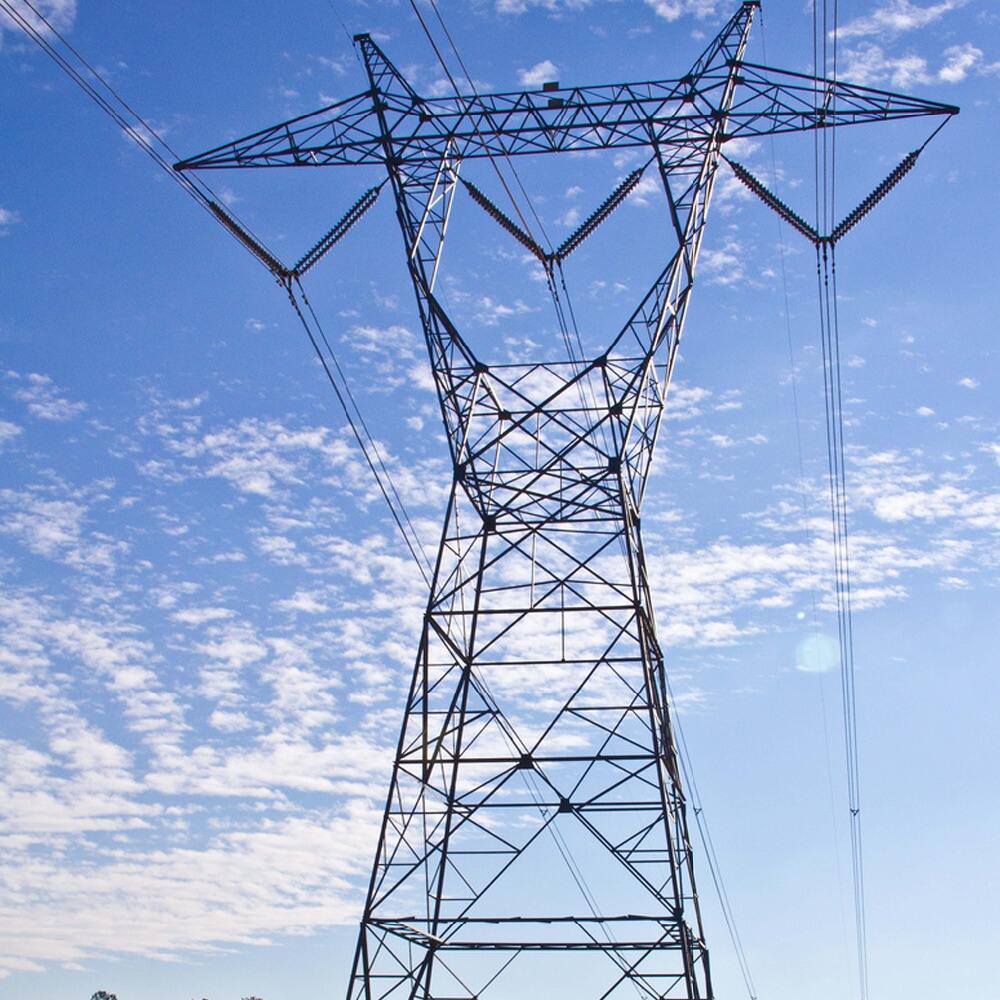
ระบบสายส่งไฟฟ้าแรงสูงพิเศษระดับ 330 กิโลโวลต์ และ 500 กิโลโวลต์ ใช้สำหรับการส่งไฟฟ้าระยะไกลข้ามภูมิภาคอย่างเป็นทางการ หอคอยเหล่านี้มีความสูงมากกว่ามาก มีโครงสร้างกรอบที่ซับซ้อนและเข้มงวดยิ่ง รวมทั้งมีข้อกำหนดสูงต่อความแม่นยำของชิ้นส่วนทั้งหมด โดยผลิตด้วยเทคโนโลยีป้องกันการกัดกร่อนแบบชุบสังกะสีร้อนตามมาตรฐานสูง เพื่อให้มีอายุการใช้งานยาวนาน หอคอยส่งไฟฟ้าแรงสูงพิเศษระดับ 500 กิโลโวลต์ ทำหน้าที่เป็นโครงสร้างหลักในการส่งไฟฟ้าข้ามจังหวัด โดยส่วนใหญ่ใช้สำหรับการจ่ายไฟฟ้าจากโรงไฟฟ้าพลังน้ำขนาดใหญ่ โรงไฟฟ้าพลังความร้อน ศูนย์ผลิตไฟฟ้าพลังงานแสงอาทิตย์และพลังงานลม สามารถส่งไฟฟ้าอย่างมั่นคงได้เป็นระยะทางหลายพันกิโลเมตร และรองรับการจัดสรรทรัพยากรพลังงานในพื้นที่กว้างขวาง จึงถูกนำไปใช้อย่างแพร่หลายในโครงการโครงสร้างพื้นฐานด้านพลังงานขนาดใหญ่ในต่างประเทศ
สุดท้ายนี้ เรามาถึงโครงสร้างพื้นฐานการส่งกำลังไฟฟ้าระดับสูงสุด ได้แก่ หอคอยส่งไฟฟ้าแรงสูงพิเศษ 750 กิโลโวลต์ และ 1000 กิโลโวลต์ ซึ่งเป็นโครงสร้างพื้นฐานการส่งไฟฟ้าที่มีมาตรฐานสูงที่สุดในวงการส่งไฟฟ้าทั่วโลก หอคอยส่งไฟฟ้าแรงสูงพิเศษ 1000 กิโลโวลต์ มีความยิ่งใหญ่สง่าและถูกก่อสร้างตามมาตรฐานที่เข้มงวดมาก โดยมีความสามารถในการรับน้ำหนักรวม ความต้านทานภัยพิบัติ และการจัดวางระบบฉนวนอยู่ในระดับแนวหน้าของอุตสาหกรรม หอคอยเหล่านี้ถูกออกแบบและสร้างขึ้นโดยเฉพาะสำหรับโครงข่ายพลังงานหลักแห่งชาติ เพื่อให้สามารถส่งไฟฟ้ากำลังสูงข้ามภูมิภาคและข้ามประเทศได้อย่างมีประสิทธิภาพ โดยมีคุณสมบัติเด่น ได้แก่ ระยะทางการส่งที่ยาวไกล ปริมาณพลังงานที่ส่งได้มาก และการสูญเสียพลังงานต่ำ จึงถือเป็นโครงสร้างพื้นฐานสำคัญที่เป็นสัญลักษณ์ของโครงการโครงสร้างพื้นฐานด้านพลังงานขั้นสูงสมัยใหม่
เสาไฟฟ้าแรงสูงที่มีระดับแรงดันไฟฟ้าต่างกันนั้นมีความแตกต่างกันอย่างเห็นได้ชัดในด้านขนาดโดยรวม คุณสมบัติของเหล็ก เทคโนโลยีการผลิต มาตรฐานการเชื่อม ความหนาของการชุบสังกะสี การกำหนดค่าอุปกรณ์เสริม และข้อกำหนดในการติดตั้ง เสาไฟฟ้าแรงต่ำเน้นที่ประสิทธิภาพด้านต้นทุนและการติดตั้งที่รวดเร็ว ในขณะที่เสาไฟฟ้าแรงสูงและแรงสูงมากจะให้ความสำคัญกับความปลอดภัย ความเสถียร ความทนทานต่อสภาพอากาศในระยะยาว และความสามารถในการปรับตัวให้เข้ากับสภาพแวดล้อมที่รุนแรง นอกจากนี้ มาตรฐานการก่อสร้างโครงข่ายไฟฟ้ายังแตกต่างกันเล็กน้อยในแต่ละประเทศ ดังนั้น เมื่อรับคำสั่งซื้อจากต่างประเทศและจัดส่งสินค้า การจำแนกเสาไฟฟ้าแรงสูงที่มีระดับแรงดันไฟฟ้าต่างกันอย่างแม่นยำจะช่วยให้สามารถจับคู่ข้อกำหนดของผลิตภัณฑ์และตอบสนองความต้องการในการก่อสร้างโครงการไฟฟ้าในภูมิภาคต่างๆ ได้อย่างสมบูรณ์แบบ
ตั้งแต่ระบบจ่ายไฟฟ้าระดับ 10 กิโลโวลต์ที่มุ่งเน้นผู้ใช้งาน ไปจนถึงระบบส่งไฟฟ้าแรงสูงพิเศษระดับ 1,000 กิโลโวลต์ที่เชื่อมโยงทั่วทั้งภูมิภาค หอคอยส่งจ่ายไฟฟ้าจำนวนนับไม่ถ้วนได้สร้างเครือข่ายพลังงานแบบบูรณาการ ซึ่งรับประกันการใช้ไฟฟ้าในครัวเรือนอย่างมั่นคง และสนับสนุนการพัฒนาอุตสาหกรรมและการก่อสร้างเมืองทั่วทั้งโลก หลังจากชมวิดีโอนี้แล้ว คุณจะสามารถระบุหอคอยส่งจ่ายไฟฟ้าที่มีระดับแรงดันต่าง ๆ ได้อย่างง่ายดาย ฉันจะแบ่งปันความรู้เชิงปฏิบัติเพิ่มเติมเกี่ยวกับรุ่นหอคอย พารามิเตอร์ทางเทคนิค และการจัดหาสำหรับการค้าระหว่างประเทศในเนื้อหาตอนต่อไป โปรดกดไลก์และติดตามเราเพื่อรับข้อมูลอัปเดตเพิ่มเติม