
 EN
EN

Long-distance electrical transmission represents one of the most critical components of modern power infrastructure, requiring specialized engineering expertise and robust manufacturing capabilities. When power utilities plan transmission projects spanning hundreds of kilometers, selecting the right electrical tower manufacturer becomes paramount to ensuring reliable power delivery across vast geographical regions. These complex projects demand towers that can withstand extreme weather conditions, support heavy conductor loads, and maintain structural integrity for decades of continuous operation.
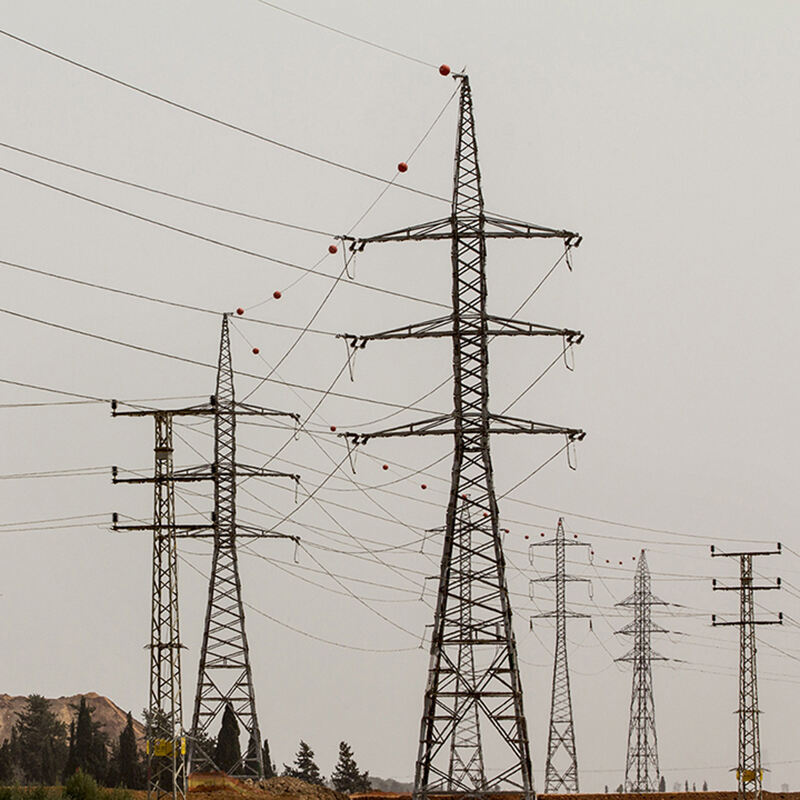
The challenges associated with long-distance transmission extend far beyond simple tower construction, encompassing complex engineering calculations, environmental considerations, and logistical coordination across multiple jurisdictions. Modern transmission networks require towers capable of supporting voltages ranging from 35kV to over 1000kV, each presenting unique design requirements and manufacturing specifications. A qualified electrical tower manufacturer must demonstrate comprehensive understanding of these technical demands while providing cost-effective solutions that meet stringent safety and reliability standards.
Contemporary transmission projects increasingly focus on maximizing capacity while minimizing environmental impact, driving innovation in tower design and manufacturing processes. Advanced materials science, computer-aided engineering, and precision manufacturing techniques enable modern electrical tower manufacturers to produce structures that exceed traditional performance benchmarks. These technological advances translate directly into improved transmission efficiency, reduced maintenance requirements, and enhanced system reliability for utilities managing extensive transmission networks.
Advanced Engineering Solutions for High-Voltage Applications
Structural Design Optimization for Multiple Voltage Classes
High-voltage transmission systems require sophisticated structural engineering approaches that account for electrical, mechanical, and environmental loading conditions simultaneously. Leading electrical tower manufacturers employ advanced finite element analysis software to optimize tower geometry, ensuring adequate clearance distances while minimizing material usage and construction costs. These design methodologies consider factors such as conductor sag calculations, wind loading scenarios, ice accumulation potential, and seismic considerations specific to each installation location.
The transition from lower voltage distribution systems to high-voltage transmission networks necessitates significant increases in tower height, base dimensions, and foundation requirements. Professional electrical tower manufacturers maintain extensive databases of proven designs for various voltage classes, enabling rapid customization for specific project requirements. This design flexibility proves essential when transmission corridors traverse diverse geographical terrains, requiring towers adapted for mountainous regions, coastal environments, or urban interfaces.
Modern lattice tower designs incorporate modular construction principles that facilitate transportation and field assembly while maintaining structural performance standards. Advanced galvanization processes protect steel components against corrosion, extending service life expectancy beyond fifty years under normal operating conditions. These engineering innovations enable electrical tower manufacturers to provide comprehensive solutions that balance initial capital costs against long-term operational expenses.
Material Science and Manufacturing Excellence
Contemporary transmission tower manufacturing relies heavily on high-strength steel alloys specifically formulated for electrical infrastructure applications. Leading electrical tower manufacturers invest significantly in materials research, developing proprietary steel compositions that offer superior strength-to-weight ratios while maintaining excellent corrosion resistance properties. These advanced materials enable construction of taller towers with reduced foundation requirements, particularly beneficial for long-distance transmission projects crossing challenging terrain.
Quality control processes throughout the manufacturing cycle ensure consistent material properties and dimensional accuracy across large production runs. Automated welding systems, computer-controlled cutting equipment, and precision forming machinery enable electrical tower manufacturers to maintain tight tolerances while achieving high production volumes. These manufacturing capabilities prove essential when utilities require hundreds of identical towers for major transmission projects with compressed construction schedules.
Hot-dip galvanization remains the preferred corrosion protection method for transmission tower applications, providing uniform coating thickness and exceptional durability under outdoor exposure conditions. Experienced electrical tower manufacturers operate dedicated galvanization facilities sized to accommodate complete tower assemblies, ensuring consistent coating quality without compromising structural joints or connection details. This integrated manufacturing approach reduces project timelines while maintaining quality standards throughout the supply chain.
Project Management and Logistical Coordination
Supply Chain Management for Large-Scale Projects
Long-distance transmission projects typically involve hundreds or thousands of individual towers, requiring sophisticated supply chain management to coordinate manufacturing, transportation, and delivery schedules. Professional electrical tower manufacturers maintain strategic partnerships with transportation companies specializing in oversized load handling, ensuring efficient delivery to remote construction sites. These logistical capabilities become particularly critical when transmission corridors traverse mountainous regions or cross international borders with complex customs requirements.
Inventory management systems enable electrical tower manufacturers to optimize production scheduling while minimizing storage costs and delivery delays. Advanced planning software coordinates raw material procurement, manufacturing capacity allocation, and shipping logistics to maintain steady construction progress throughout multi-year transmission projects. This systematic approach reduces project risks while enabling utilities to meet regulatory deadlines and commercial operation dates.
Just-in-time delivery strategies minimize on-site storage requirements while ensuring construction crews maintain steady workflow productivity. Experienced electrical tower manufacturers provide detailed delivery scheduling that accounts for seasonal weather restrictions, equipment accessibility, and construction sequence requirements. This coordination proves essential for remote transmission projects where temporary storage facilities may be limited or unavailable.
Technical Support and Field Services
Comprehensive technical support services differentiate leading electrical tower manufacturers from commodity suppliers, providing engineering assistance throughout project planning, construction, and commissioning phases. Field engineering teams collaborate with utility personnel to resolve installation challenges, optimize construction sequences, and ensure compliance with applicable standards and regulations. This hands-on support proves invaluable when transmission projects encounter unexpected soil conditions, environmental restrictions, or design modifications.
Installation training programs prepare construction crews for safe and efficient tower assembly procedures, reducing construction time while maintaining quality standards. Qualified electrical tower manufacturers provide detailed assembly instructions, specialized tooling recommendations, and quality inspection protocols tailored to specific tower designs. These educational resources enable construction teams to achieve consistent results across large transmission projects with multiple contractor organizations.
Post-installation support services include structural inspections, maintenance recommendations, and modification engineering for system upgrades or capacity expansions. Long-term partnerships between utilities and electrical tower manufacturers facilitate proactive maintenance programs that extend asset life while optimizing operational performance. These ongoing relationships provide utilities with access to technical expertise and replacement components throughout the transmission system lifecycle.
Environmental Considerations and Sustainability
Minimizing Environmental Impact Through Design Innovation
Modern transmission projects face increasing environmental scrutiny, requiring electrical tower manufacturer solutions that minimize ecological disruption while maintaining system reliability. Innovative tower designs reduce right-of-way requirements through increased height and optimized conductor arrangements, preserving sensitive habitats and agricultural lands. These compact designs prove particularly valuable in densely populated regions where land acquisition costs significantly impact project economics.
Advanced foundation systems reduce excavation requirements and soil disturbance during construction activities, particularly important in environmentally sensitive areas or regions with challenging geological conditions. Helical pier foundations, rock anchors, and other specialized foundation techniques enable tower installation with minimal site preparation requirements. These innovative approaches allow transmission projects to proceed through protected areas while maintaining strict environmental compliance standards.
Sustainable manufacturing practices throughout the production cycle reduce the environmental footprint of transmission infrastructure projects. Leading electrical tower manufacturers implement energy-efficient production processes, waste reduction programs, and recycling initiatives that minimize resource consumption while maintaining product quality. These environmental commitments align with utility sustainability goals while providing tangible benefits for regulatory approval processes and public acceptance.
Lifecycle Assessment and Long-Term Performance
Comprehensive lifecycle assessment methodologies evaluate the total environmental impact of transmission tower systems from raw material extraction through end-of-service recycling. Professional electrical tower manufacturers conduct detailed analyses comparing alternative materials, manufacturing processes, and design approaches to optimize environmental performance without compromising structural requirements. These assessments provide utilities with quantitative data supporting sustainable infrastructure investment decisions.
Extended service life expectations reduce the frequency of infrastructure replacement activities, minimizing long-term environmental impacts associated with construction activities and material consumption. High-quality galvanized steel towers typically provide fifty years or more of reliable service under normal operating conditions, significantly exceeding the performance of alternative materials. This durability advantage translates into reduced lifecycle costs and environmental benefits over the transmission system operating period.
End-of-life recycling programs ensure responsible disposal of transmission infrastructure when system upgrades or decommissioning activities occur. Steel towers retain significant material value throughout their service life, enabling cost-effective recycling into new infrastructure projects. Forward-thinking electrical tower manufacturers collaborate with utilities to develop comprehensive asset management programs that optimize both economic and environmental outcomes throughout the transmission system lifecycle.
Quality Assurance and Standards Compliance
International Standards and Certification Programs
Global transmission projects require electrical tower manufacturers capable of meeting diverse national and international standards for structural design, materials specification, and manufacturing quality. Comprehensive certification programs demonstrate compliance with standards such as IEC 60652, ASCE Manual 74, and various national grid codes governing transmission infrastructure. These certifications provide utilities with confidence in product quality while facilitating regulatory approval processes across multiple jurisdictions.
Third-party testing and inspection services validate structural performance characteristics under simulated loading conditions representative of actual service environments. Leading electrical tower manufacturers maintain relationships with accredited testing laboratories capable of conducting full-scale tower testing, material property verification, and galvanization quality assessment. These independent verification processes ensure product compliance with specified performance requirements while identifying potential design improvements.
Quality management systems based on ISO 9001 principles provide systematic approaches to manufacturing control, document management, and continuous improvement initiatives. Comprehensive quality programs encompass supplier qualification, incoming material inspection, production process control, and final product verification procedures. These systematic approaches ensure consistent product quality while providing complete traceability throughout the manufacturing and delivery process.
Performance Monitoring and Validation
Long-term performance monitoring programs track structural behavior under actual service conditions, validating design assumptions and identifying opportunities for future improvements. Experienced electrical tower manufacturers collaborate with utilities to instrument selected towers with strain gauges, accelerometers, and environmental sensors that provide real-time data on structural response to wind, ice, and seismic loading events. This performance data enables refinement of design methodologies and optimization of future tower designs.
Predictive maintenance programs utilize structural monitoring data to optimize inspection schedules and maintenance activities throughout the transmission system lifecycle. Advanced analytics identify patterns in structural behavior that may indicate developing maintenance requirements or potential upgrade opportunities. These proactive approaches enable utilities to optimize maintenance budgets while ensuring continued system reliability and safety performance.
Continuous improvement initiatives incorporate lessons learned from field performance monitoring into updated design standards and manufacturing processes. Leading electrical tower manufacturers maintain comprehensive databases of structural performance data that inform future product development initiatives and design optimization efforts. This systematic approach to knowledge management ensures that each successive generation of transmission towers incorporates the latest technological advances and performance improvements.
Cost Optimization and Value Engineering
Economic Analysis and Project Financing
Comprehensive economic analysis methodologies evaluate total project costs including initial capital investment, construction expenses, ongoing maintenance requirements, and end-of-life disposal considerations. Professional electrical tower manufacturers provide detailed cost models that enable utilities to compare alternative design approaches and material selections based on lifecycle economic performance. These analyses prove essential when evaluating competing proposals for major transmission projects with multi-decade service life expectations.
Value engineering initiatives identify opportunities to reduce project costs while maintaining or improving technical performance and reliability characteristics. Experienced design teams collaborate with utility engineers to optimize tower spacing, conductor selection, foundation designs, and construction methodologies based on specific project requirements and constraints. These collaborative approaches often result in significant cost savings while enhancing overall transmission system performance.
Flexible financing arrangements accommodate utility budget constraints and project cash flow requirements through phased delivery schedules, progress payment terms, and performance guarantees. Leading electrical tower manufacturers maintain relationships with financial institutions specializing in infrastructure projects, enabling creative financing solutions for large-scale transmission developments. These financial capabilities prove particularly valuable for international projects or utilities with limited capital availability.
Manufacturing Efficiency and Scale Economics
Large-scale manufacturing capabilities enable electrical tower manufacturers to achieve significant economies of scale when producing towers for major transmission projects. Automated production equipment, optimized material handling systems, and efficient plant layouts reduce unit manufacturing costs while maintaining consistent quality standards. These cost advantages become particularly significant for projects requiring hundreds of identical towers with standardized designs and specifications.
Standardized design families reduce engineering costs and manufacturing complexity while providing utilities with proven solutions for common transmission applications. Modular design approaches enable customization for specific site conditions without requiring complete engineering redesign, reducing both development time and project costs. These standardization benefits prove essential when utilities require rapid project deployment to meet system reliability requirements or regulatory deadlines.
Strategic inventory management reduces material costs through volume purchasing agreements and optimized production scheduling. Professional electrical tower manufacturers maintain strategic stockpiles of raw materials and common components, enabling rapid response to urgent utility requirements while minimizing inventory carrying costs. These supply chain capabilities provide utilities with flexibility to accelerate project schedules when system reliability concerns or commercial considerations require expedited construction.
FAQ
What voltage levels can modern electrical transmission towers support
Modern transmission towers are engineered to support a wide range of voltage levels from 35kV distribution systems up to ultra-high voltage applications exceeding 1000kV. The specific voltage capability depends on tower height, conductor clearance distances, and insulator configurations designed according to applicable electrical codes and standards. Leading electrical tower manufacturers maintain proven designs for all common voltage classes used in contemporary transmission networks.
How long does it typically take to manufacture and deliver transmission towers for large projects
Manufacturing and delivery timelines vary significantly based on project size, tower complexity, and production capacity availability. Typical lead times range from 12 to 24 weeks for standard designs, while custom engineered towers may require additional development time. Large projects involving hundreds of towers often utilize phased delivery schedules that coordinate manufacturing capacity with construction progress to optimize project timelines and minimize storage requirements.
What factors determine the optimal tower spacing for long-distance transmission lines
Tower spacing optimization involves complex engineering calculations considering conductor sag characteristics, terrain variations, environmental loading conditions, and economic factors. Typical spacing ranges from 300 to 500 meters depending on conductor type, voltage level, and terrain conditions. Professional electrical tower manufacturers provide engineering analysis services to determine optimal spacing that minimizes total project costs while ensuring adequate electrical clearances and structural reliability.
How do environmental regulations impact transmission tower design and installation
Environmental regulations significantly influence transmission tower projects through requirements for environmental impact assessments, habitat protection measures, and construction activity restrictions. Modern tower designs minimize environmental impact through reduced right-of-way requirements, specialized foundation systems, and construction techniques that limit site disturbance. Leading electrical tower manufacturers work closely with environmental consultants to ensure project compliance while maintaining technical performance and economic viability.
Table of Contents
- Advanced Engineering Solutions for High-Voltage Applications
- Project Management and Logistical Coordination
- Environmental Considerations and Sustainability
- Quality Assurance and Standards Compliance
- Cost Optimization and Value Engineering
-
FAQ
- What voltage levels can modern electrical transmission towers support
- How long does it typically take to manufacture and deliver transmission towers for large projects
- What factors determine the optimal tower spacing for long-distance transmission lines
- How do environmental regulations impact transmission tower design and installation