
 EN
EN
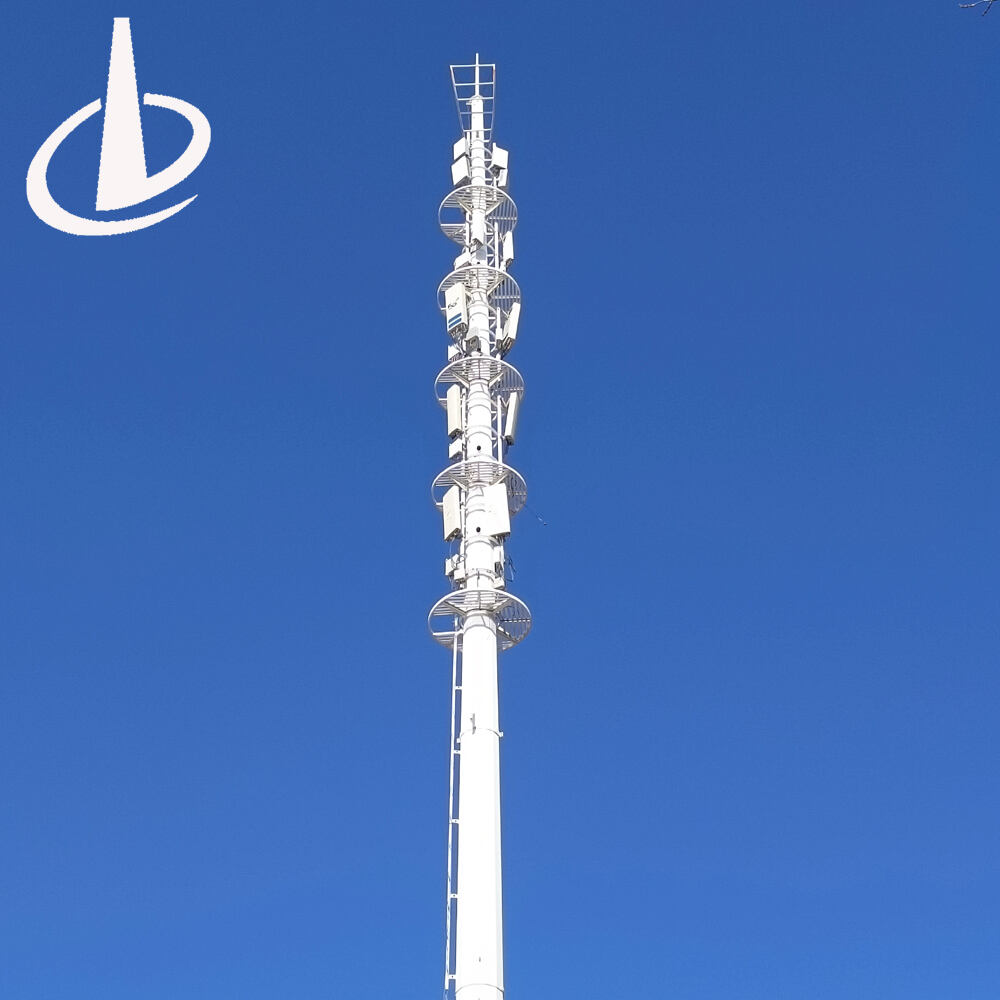
The resilience of modern communication networks depends heavily on the structural integrity and performance of telecommunication tower infrastructure during extreme weather events. These towering structures face constant challenges from high winds, ice accumulation, lightning strikes, and seismic activity, making their design and construction critical factors in maintaining uninterrupted service. Understanding how a telecommunication tower responds to harsh environmental conditions helps network operators make informed decisions about infrastructure investments and maintenance protocols.
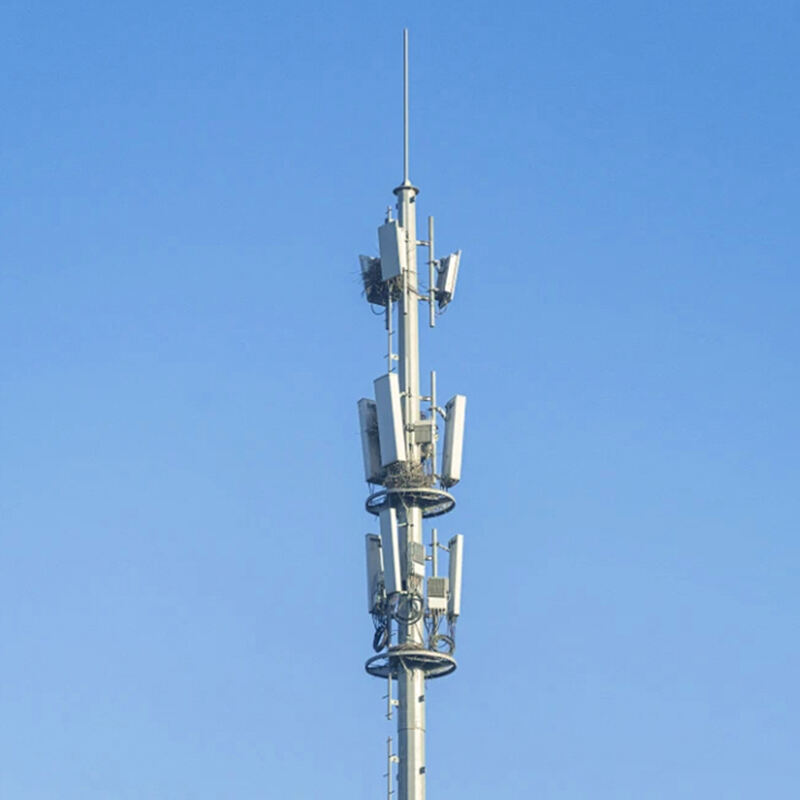
Weather-related challenges significantly impact telecommunication infrastructure performance across different geographical regions and climate zones. Network reliability during storms, hurricanes, blizzards, and other severe weather conditions directly affects emergency services, business operations, and daily communications for millions of users worldwide.
Wind Load Resistance and Structural Engineering
Dynamic Wind Effects on Tower Structures
Telecommunication tower structures must withstand sustained wind loads and dynamic gusting effects that create oscillating forces throughout the vertical structure. Engineers calculate wind load resistance using established meteorological data and regional wind speed records to determine appropriate safety factors. The aerodynamic profile of tower components, including antennas, feedlines, and mounting hardware, contributes significantly to overall wind resistance calculations.
Advanced computational fluid dynamics modeling helps engineers predict how wind patterns interact with tower geometry at various heights above ground level. These simulations account for turbulence effects, vortex shedding, and resonance frequencies that could potentially compromise structural stability. Modern telecommunication tower designs incorporate flexible mounting systems and vibration dampening technologies to mitigate dynamic wind effects.
Foundation Requirements for High Wind Zones
The foundation system represents the critical connection between the telecommunication tower structure and the supporting ground conditions. Engineers specify foundation designs based on local soil characteristics, groundwater levels, and maximum anticipated wind loads for the installation site. Concrete caisson foundations, spread footings, and anchor bolt configurations must provide adequate overturning resistance during extreme wind events.
Deep foundation systems often extend well below the frost line and into stable soil strata to ensure long-term structural integrity. Geotechnical investigations provide essential data about bearing capacity, settlement characteristics, and lateral resistance properties that inform foundation design decisions. Regular inspection and monitoring of foundation components help identify potential issues before they compromise tower stability.
Ice Loading and Winter Weather Challenges
Ice Accumulation Effects on Equipment
Winter weather conditions create unique challenges for telecommunication tower operations through ice and snow accumulation on antennas, feedlines, and structural members. Radial ice formation increases the effective wind surface area of tower components while adding significant dead load to the overall structure. Freezing rain and glaze ice events can create particularly hazardous conditions that exceed normal design parameters.
Ice loading calculations consider both the additional weight of accumulated ice and the increased wind resistance created by enlarged component profiles. Structural analysis must account for uneven ice distribution patterns that can create eccentric loading conditions and potential stability concerns. De-icing systems and heating elements help prevent excessive ice buildup on critical antenna installations.
Cold Temperature Material Performance
Low temperature environments affect the mechanical properties of structural materials used in telecommunication tower construction. Steel components may experience reduced ductility and increased brittleness at extremely low temperatures, potentially affecting connection performance and overall structural reliability. Material selection criteria must consider temperature ratings and cold weather performance characteristics.
Thermal expansion and contraction cycles create stress concentrations at connection points and may lead to fatigue-related issues over time. Proper material specifications and connection details help accommodate thermal movement while maintaining structural integrity. Regular inspection programs focus on connection hardware and joint conditions that may be affected by temperature variations.
Lightning Protection and Electrical Safety
Lightning Strike Frequency and Protection Systems
Telecommunication tower installations face elevated lightning strike risks due to their height and prominent positioning in the landscape. Lightning protection systems must safely conduct electrical energy to ground while protecting sensitive electronic equipment from surge damage. Air terminals, down conductors, and grounding electrode systems work together to create effective lightning protection networks.
Ground resistance measurements and soil resistivity testing help engineers design appropriate grounding systems for specific site conditions. Multiple grounding electrodes and enhanced conductivity materials may be necessary in areas with high soil resistance or rocky terrain. Surge protection devices at equipment locations provide additional protection for sensitive telecommunications hardware.
Equipment Protection During Electrical Storms
Advanced surge protection systems safeguard critical telecommunications equipment from both direct lightning strikes and induced voltage surges caused by nearby lightning activity. Multi-stage protection schemes use gas discharge arresters, metal oxide varistors, and isolation transformers to limit voltage levels reaching sensitive electronic components. Regular testing and maintenance of protection devices ensures continued effectiveness.
Fiber optic cable installations offer inherent lightning immunity advantages compared to copper-based transmission systems. However, metallic support cables and power systems still require appropriate protection measures. Proper cable routing and shielding techniques help minimize induced voltage effects during electrical storm activity.
Seismic Considerations and Earthquake Resistance
Seismic Design Standards for Tower Structures
Telecommunication tower installations in seismically active regions must comply with earthquake-resistant design requirements that account for ground motion characteristics and local seismic hazard levels. Seismic design parameters include peak ground acceleration values, spectral response characteristics, and soil amplification effects that influence structural response during earthquake events.
Dynamic analysis techniques evaluate tower response to earthquake ground motion using established seismic design codes and standards. Flexible tower structures may experience significant deflections during seismic events, requiring careful consideration of antenna clearances and guy wire tensions. Base isolation systems and energy dissipation devices can help reduce seismic forces transmitted to the tower structure.
Post-Earthquake Inspection and Assessment
Following significant seismic events, telecommunication tower owners must conduct thorough structural inspections to identify potential damage and assess continued serviceability. Inspection protocols focus on foundation conditions, connection integrity, and structural member alignment that may be affected by earthquake motion. Documentation of inspection findings helps establish repair priorities and safety protocols.
Non-destructive testing methods including ultrasonic testing and magnetic particle inspection can reveal hidden damage in structural connections and welds. Professional structural engineers provide damage assessment expertise and repair recommendations based on current design standards and safety requirements. Emergency communication capabilities during post-earthquake recovery operations depend on maintaining telecommunication tower functionality.
Maintenance and Monitoring Systems
Remote Monitoring Technologies
Modern telecommunication tower installations incorporate sophisticated monitoring systems that provide real-time data about structural performance, environmental conditions, and equipment status. Wireless sensor networks measure parameters including tower deflection, vibration levels, temperature, wind speed, and ice accumulation. These monitoring systems enable proactive maintenance scheduling and early warning of potentially hazardous conditions.
Automated alert systems notify maintenance personnel when measured parameters exceed predetermined thresholds or indicate developing problems. Data logging capabilities provide historical records that help identify long-term trends and optimize maintenance intervals. Remote monitoring reduces the need for routine tower climbing while improving safety and reducing operational costs.
Preventive Maintenance Protocols
Comprehensive maintenance programs help ensure telecommunication tower reliability and extend service life through regular inspections, component replacement, and structural assessments. Maintenance schedules consider environmental exposure conditions, equipment age, and historical performance data to optimize inspection intervals. Qualified tower technicians perform detailed inspections of structural members, connections, guy wires, and foundation conditions.
Corrosion protection systems require periodic inspection and maintenance to maintain effectiveness in protecting steel structural components. Hot-dip galvanizing, paint systems, and sacrificial anode installations need regular evaluation and touch-up work as necessary. Documentation of maintenance activities provides valuable historical records for warranty claims and regulatory compliance requirements.
FAQ
What wind speeds can telecommunication towers typically withstand?
Most telecommunication towers are designed to withstand wind speeds ranging from 70 to 150 mph, depending on local building codes, site-specific conditions, and tower classification. Critical infrastructure towers may be designed for even higher wind speeds up to 200 mph in hurricane-prone areas. The actual wind resistance depends on tower height, structural configuration, antenna loading, and foundation design parameters.
How does ice accumulation affect tower performance?
Ice accumulation increases both the weight load and wind surface area of tower components, creating additional structural stresses that can exceed design parameters. A half-inch of radial ice can double the wind load on cylindrical components like antennas and feedlines. Severe ice storms may require temporary service reductions or equipment shutdowns to prevent structural damage.
What happens to tower electronics during lightning strikes?
Properly designed lightning protection systems safely conduct strike energy to ground while surge protection devices limit voltage levels reaching sensitive electronics. However, nearby lightning strikes can still cause temporary service disruptions through electromagnetic interference and induced voltages. Advanced protection systems and fiber optic transmission methods help minimize lightning-related equipment damage and service interruptions.
How often should telecommunication towers be inspected?
Industry standards typically recommend annual structural inspections for most telecommunication towers, with more frequent inspections in harsh environmental conditions or following severe weather events. Guy wire tensions, connection hardware, and foundation conditions require particular attention during routine inspections. Critical infrastructure installations may require semi-annual or quarterly inspection schedules depending on regulatory requirements and operational importance.