
 EN
EN
Telecommunication infrastructure forms the backbone of modern communication networks, connecting millions of users across vast geographical areas. The selection of an appropriate telecommunication tower represents one of the most critical decisions that network operators must make during network deployment and expansion phases. Each tower type offers distinct advantages and limitations that directly impact signal coverage, installation costs, maintenance requirements, and long-term operational efficiency. Understanding these factors enables operators to make informed decisions that align with their specific network requirements and business objectives.
Understanding Tower Classifications and Applications
Self-Supporting Tower Structures
Self-supporting towers represent the most common telecommunication tower configuration in the industry, characterized by their triangular or square base design that provides inherent structural stability. These towers typically range from 30 to 500 feet in height and require minimal ground space compared to guyed tower alternatives. The structural integrity of self-supporting towers relies on their robust foundation and gradually tapering design, which distributes wind loads effectively throughout the entire structure. Operators frequently choose these towers for urban and suburban deployments where land availability is limited and zoning regulations restrict the use of guy wires.
The construction methodology for self-supporting towers involves precise engineering calculations to ensure adequate load-bearing capacity for antenna systems, transmission equipment, and environmental stresses. These structures accommodate multiple carriers and equipment configurations without requiring extensive ground preparation beyond the foundation footprint. Installation timelines for self-supporting towers are generally shorter than alternative designs, making them attractive for rapid network deployment scenarios. However, operators must consider the higher initial investment costs associated with the increased steel requirements and complex foundation systems necessary for structural stability.
Guyed Wire Tower Systems
Guyed wire towers utilize a network of steel cables anchored to the ground at strategic points around the tower base to provide structural support and stability. This design approach allows for significantly taller structures while using less steel in the main tower assembly compared to self-supporting alternatives. Telecommunication tower operators often select guyed systems for rural deployments where extensive coverage areas require maximum antenna height and land availability permits the installation of guy wire anchor points. These towers can reach heights exceeding 1,000 feet while maintaining cost-effectiveness through reduced material requirements in the main structure.
The installation process for guyed towers requires careful site planning to accommodate the guy wire anchor points, which typically extend 60 to 80 percent of the tower height from the base. Ground preparation involves multiple concrete anchor foundations positioned at calculated distances and orientations to ensure proper load distribution. Maintenance considerations include regular inspection of guy wire tension, anchor point integrity, and cable condition to prevent structural failures. Operators must also account for the larger land area requirements and potential obstacles that guy wires may create for future site development or equipment access.
Monopole Tower Advantages and Considerations
Design Characteristics and Structural Benefits
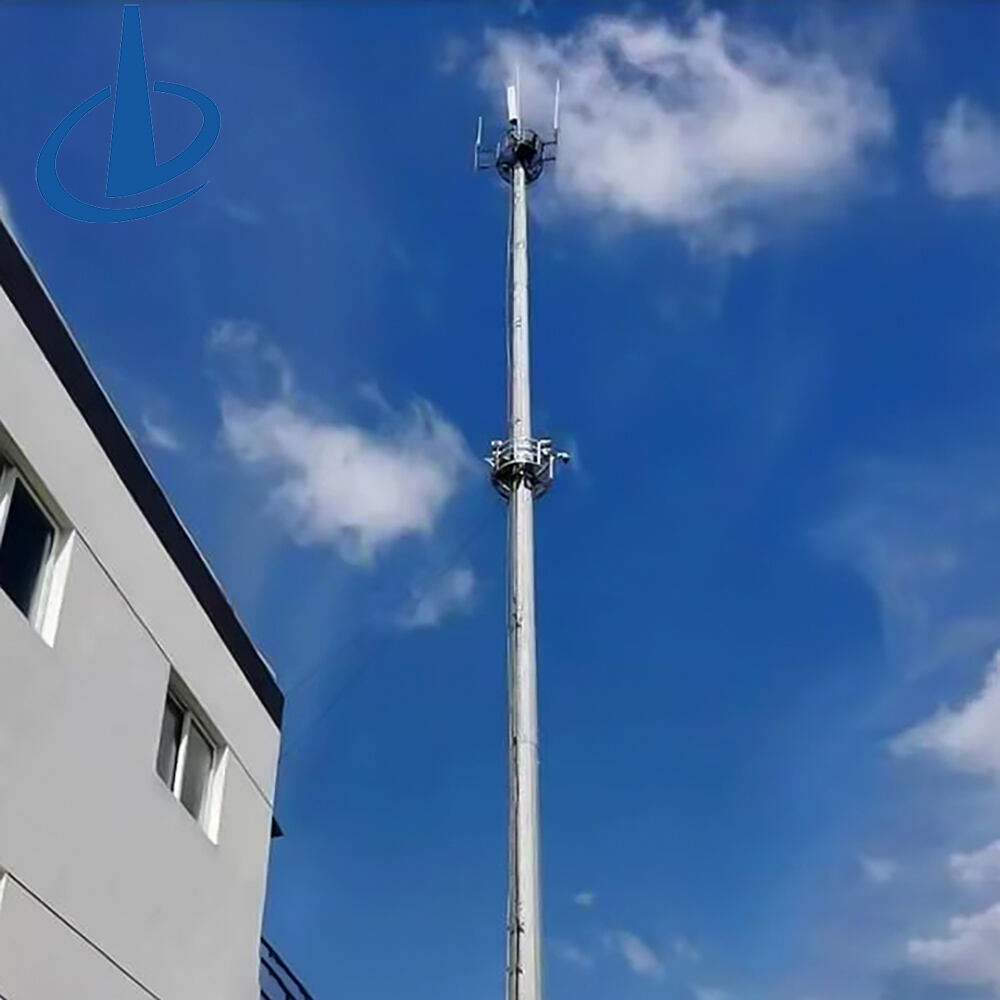
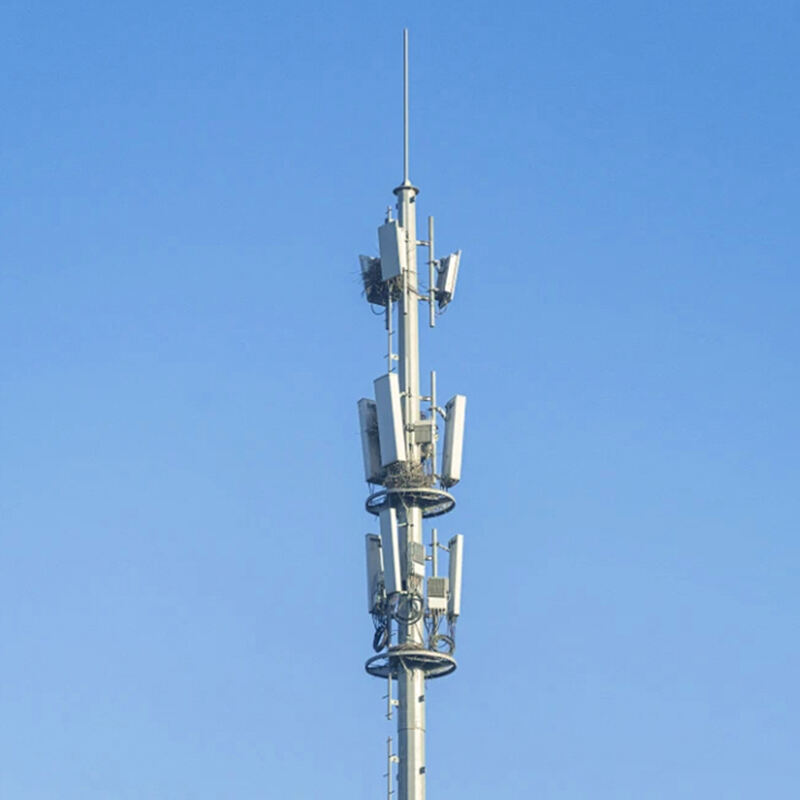
Monopole towers feature a single, tapered steel pole design that offers exceptional structural efficiency and aesthetic appeal compared to traditional lattice tower configurations. The streamlined profile of monopole structures reduces wind load resistance while providing adequate support for telecommunication equipment and antenna arrays. These towers typically range from 40 to 200 feet in height and require minimal ground footprint, making them ideal for urban environments where space constraints and visual impact concerns influence tower selection decisions. The solid pole construction eliminates the need for guy wires and reduces the number of potential climbing obstacles for maintenance personnel.
Engineering considerations for monopole towers include precise load calculations to ensure adequate structural capacity for anticipated equipment loads and environmental stresses. The tapered design distributes weight and wind loads effectively throughout the structure while minimizing material usage compared to self-supporting lattice alternatives. Foundation requirements for monopole towers typically involve deep caisson or spread footing designs that transfer structural loads efficiently to the underlying soil conditions. Installation processes are generally streamlined due to the single-piece or modular assembly approach that reduces on-site construction time and complexity.
Operators selecting telecommunication tower solutions must evaluate the specific advantages that monopole designs offer for their deployment scenarios. These structures provide excellent flexibility for antenna positioning and equipment mounting while maintaining structural integrity under varying load conditions. The reduced visual impact of monopole towers often facilitates easier permitting and community acceptance compared to traditional lattice designs. However, height limitations and equipment capacity constraints may restrict monopole applications in scenarios requiring extensive antenna arrays or specialized equipment configurations.
Installation and Maintenance Factors
The installation process for monopole towers involves specialized equipment and techniques designed to handle the single-piece or sectional assembly requirements. Crane capacity and site access considerations play crucial roles in determining the feasibility of monopole installation at specific locations. The streamlined construction process typically results in shorter installation timelines compared to lattice tower alternatives, reducing project costs and minimizing site disruption during deployment phases. Site preparation requirements focus primarily on foundation construction and utility coordination rather than extensive ground area preparation needed for guyed systems.
Maintenance accessibility represents a significant advantage of monopole tower designs, as the smooth pole surface eliminates potential climbing hazards associated with lattice structures. Standard climbing safety systems can be installed efficiently on monopole towers, and the absence of guy wires reduces ongoing inspection and maintenance requirements. Equipment access at various tower heights is facilitated by the consistent pole diameter and mounting surface availability throughout the structure. Long-term maintenance costs are generally lower for monopole towers due to reduced structural complexity and weather protection provided by the solid pole design.
Environmental and Regulatory Compliance
Zoning and Permitting Requirements
Telecommunication tower installations must comply with comprehensive zoning regulations and permitting requirements that vary significantly across different jurisdictions and geographic regions. Local zoning authorities evaluate tower proposals based on factors including height restrictions, setback requirements, visual impact assessments, and compatibility with surrounding land uses. Operators must navigate complex approval processes that often involve public hearings, environmental impact studies, and coordination with multiple regulatory agencies. Understanding these requirements during the tower selection phase helps operators choose designs that align with local regulations and expedite the permitting process.
Federal Aviation Administration guidelines impose additional constraints on telecommunication tower installations, particularly regarding tower height, lighting requirements, and proximity to airports or flight paths. These regulations directly influence tower type selection and may require specific design modifications or equipment installations to ensure aviation safety compliance. Environmental protection regulations also impact tower placement and construction methods, especially in sensitive ecological areas or wildlife habitats. Operators must consider these regulatory factors early in the planning process to avoid costly design modifications or project delays during construction phases.
Environmental Impact Considerations
The environmental impact of telecommunication tower installations extends beyond the immediate construction footprint to include considerations such as wildlife protection, electromagnetic field exposure, and visual landscape impacts. Different tower designs present varying levels of environmental impact, with monopole structures generally offering reduced visual intrusion compared to lattice tower alternatives. Bird strike mitigation measures may be required depending on tower location and height, influencing tower design specifications and ongoing operational requirements. Operators must evaluate these environmental factors alongside technical and economic considerations when selecting appropriate tower types for specific deployment scenarios.
Soil and groundwater protection measures during tower installation require careful consideration of foundation construction methods and potential contamination risks from construction activities. Environmental site assessments may reveal constraints that influence tower type selection or require specialized construction techniques to minimize ecological disruption. Noise pollution during construction and ongoing operation phases must be evaluated, particularly for installations in residential or environmentally sensitive areas. Long-term environmental monitoring requirements may apply to certain tower installations, creating ongoing operational obligations that operators must factor into their tower selection decisions.
Economic Analysis and Cost Considerations
Initial Investment and Construction Costs
The initial investment required for telecommunication tower installation varies significantly based on tower type, height, site conditions, and equipment requirements. Self-supporting towers typically require higher upfront investments due to increased steel requirements and complex foundation systems, while guyed towers may offer cost advantages for tall installations despite requiring larger land areas. Monopole towers present moderate initial costs with potential savings in installation time and site preparation requirements. Operators must evaluate these cost differentials against their specific coverage requirements and budget constraints to determine the most cost-effective tower solution.
Construction cost variables include site preparation, foundation installation, tower erection, equipment mounting, and utility connections that collectively determine the total project investment. Geographic factors such as soil conditions, accessibility, and local labor costs significantly influence construction expenses and project timelines. Permitting and regulatory compliance costs represent additional investment requirements that may vary based on tower type and local regulatory environments. Operators should conduct comprehensive cost analyses that include all project phases and potential contingencies to ensure accurate budget planning and tower type selection.
Long-term Operational Economics
Long-term operational costs for telecommunication tower installations encompass maintenance, inspection, equipment upgrades, and regulatory compliance activities that continue throughout the tower's operational lifespan. Different tower types present varying maintenance requirements and associated costs, with monopole structures generally offering lower ongoing expenses due to reduced structural complexity. Guyed towers require regular cable tension monitoring and anchor point inspections that add to operational costs but may be offset by lower initial investment requirements. Self-supporting towers provide moderate maintenance requirements with good long-term reliability and equipment access characteristics.
Equipment upgrade capabilities and future expansion potential significantly impact the long-term economic value of different tower types. Structures that accommodate multiple carriers and evolving technology requirements provide better return on investment through increased revenue opportunities and reduced per-site deployment costs. Tower loading capacity and structural flexibility determine the ability to support new antenna systems and equipment installations without requiring tower modifications or replacements. Operators should evaluate these long-term economic factors alongside initial costs to select tower types that provide optimal financial performance throughout their operational lifespan.
Site-Specific Evaluation Criteria
Geographic and Topographic Factors
Geographic location and topographic characteristics play crucial roles in determining the most suitable telecommunication tower type for specific deployment sites. Mountainous terrain may favor self-supporting or monopole designs that can be installed on smaller footprints with challenging access conditions. Flat rural areas often provide ideal conditions for guyed tower installations that maximize height while minimizing costs. Coastal regions require towers designed to withstand high wind loads and corrosive environmental conditions that may influence material selection and structural design approaches.
Soil conditions significantly impact foundation requirements and tower type feasibility, with rocky terrain favoring certain foundation designs while soft soils may require specialized engineering solutions. Seismic activity levels in specific regions influence structural design requirements and may favor certain tower types that provide better earthquake resistance. Flood zones and water table considerations affect foundation design and may restrict certain tower types or require additional protection measures. Operators must conduct thorough site surveys and geological assessments to match tower types with site-specific conditions and requirements.
Coverage Requirements and Network Planning
Network coverage objectives and capacity requirements directly influence telecommunication tower selection decisions, as different tower types provide varying capabilities for antenna positioning and equipment installation. Dense urban networks may benefit from lower-profile monopole towers that provide adequate coverage while minimizing visual impact and zoning conflicts. Rural coverage scenarios often require maximum tower height to achieve desired coverage areas, potentially favoring guyed tower installations that can reach greater heights cost-effectively. Capacity requirements for multiple carriers and technology platforms influence tower loading capabilities and structural design specifications.
Propagation characteristics specific to different frequency bands and technologies affect antenna positioning requirements and tower height optimization. Advanced antenna systems such as massive MIMO arrays may require specific mounting configurations and structural support capabilities that influence tower type selection. Future network evolution and technology migration plans should be considered during tower selection to ensure long-term compatibility and upgrade flexibility. Interference mitigation and frequency coordination requirements may dictate specific antenna separations and positioning that favor certain tower designs over alternatives.
FAQ
What factors determine the optimal height for a telecommunication tower installation?
Optimal tower height depends on coverage requirements, terrain characteristics, regulatory constraints, and interference considerations. Rural deployments typically require taller towers to achieve desired coverage areas, while urban installations may be limited by zoning restrictions and aviation regulations. Engineers use propagation modeling software to determine the minimum height needed to provide adequate signal coverage while considering factors such as antenna patterns, frequency bands, and surrounding obstacles. Economic considerations also influence height selection, as taller towers generally require higher investments and may face increased regulatory scrutiny.
How do wind load requirements affect telecommunication tower design and selection?
Wind load specifications are critical factors in telecommunication tower design and directly influence structural requirements and tower type selection. Geographic regions with high wind speeds or frequent severe weather events require towers engineered to withstand greater wind forces, which may favor self-supporting or monopole designs over guyed alternatives in certain applications. Tower manufacturers design structures according to specific wind speed ratings based on local meteorological data and building codes. Antenna and equipment loading also contributes to overall wind exposure, requiring careful analysis during the tower selection and engineering process.
What are the key differences in maintenance requirements between tower types?
Maintenance requirements vary significantly between different telecommunication tower types, with monopole structures generally requiring less frequent inspection and maintenance compared to lattice or guyed alternatives. Guyed towers require regular cable tension checks, anchor point inspections, and guy wire condition assessments that add to ongoing operational costs. Self-supporting lattice towers need periodic bolt torque verification and structural member inspections but avoid the complexity of guy wire systems. All tower types require regular antenna and equipment maintenance, but access methods and safety requirements differ based on structural design and climbing systems installed.
How do local zoning regulations impact telecommunication tower type selection?
Local zoning regulations significantly influence telecommunication tower selection through height restrictions, setback requirements, and aesthetic considerations that vary by jurisdiction. Many communities prefer monopole towers due to their reduced visual impact compared to lattice structures, while others may restrict tower heights or require specific design features for approval. Setback requirements may eliminate guyed tower options in areas with limited land availability, while historic districts or sensitive areas may impose additional design constraints. Operators must research local regulations early in the planning process to select tower types that align with community requirements and expedite the permitting process.
Table of Contents
- Understanding Tower Classifications and Applications
- Monopole Tower Advantages and Considerations
- Environmental and Regulatory Compliance
- Economic Analysis and Cost Considerations
- Site-Specific Evaluation Criteria
-
FAQ
- What factors determine the optimal height for a telecommunication tower installation?
- How do wind load requirements affect telecommunication tower design and selection?
- What are the key differences in maintenance requirements between tower types?
- How do local zoning regulations impact telecommunication tower type selection?