
 EN
EN

Electrical towers form the backbone of modern power transmission systems, carrying electricity across vast distances to power homes, businesses, and industries. These towering structures face constant exposure to harsh environmental conditions, from hurricane-force winds to ice storms, seismic activity, and temperature extremes. Understanding how electrical towers withstand these challenges is crucial for maintaining reliable power infrastructure and preventing widespread outages that can devastate communities and economies.
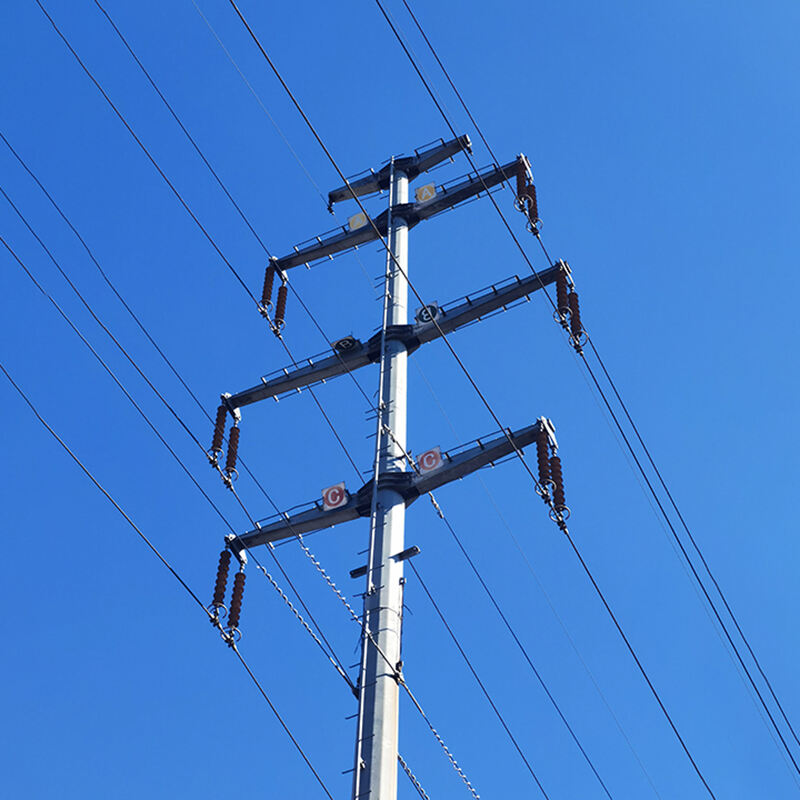
The engineering behind weather-resistant electrical towers involves sophisticated design principles, advanced materials, and rigorous testing protocols. Modern transmission infrastructure must comply with strict safety standards while maintaining operational efficiency under extreme conditions. Engineers continuously develop innovative solutions to enhance tower resilience, incorporating lessons learned from past weather events and advancing technologies that improve structural performance.
Structural Design Principles for Weather Resistance
Load Distribution and Foundation Systems
The foundation of electrical towers represents the most critical component for weather resistance, as it anchors the entire structure against powerful wind forces and ground movement. Engineers design foundations based on comprehensive soil analysis, local climate data, and expected load scenarios. Deep caisson foundations, often extending 30 to 50 feet underground, provide the necessary stability for tall transmission towers in areas prone to severe weather conditions.
Load distribution across the tower structure ensures that forces from wind, ice, and thermal expansion are properly managed throughout the framework. Advanced computer modeling helps engineers optimize the placement of structural members, creating redundant load paths that prevent catastrophic failure if individual components become compromised. This distributed approach allows electrical towers to maintain stability even when subjected to forces exceeding normal design parameters.
Aerodynamic Considerations and Wind Resistance
Wind loading represents one of the most significant challenges for electrical towers, particularly in hurricane-prone regions and areas with frequent severe thunderstorms. Modern tower designs incorporate aerodynamic principles that reduce wind resistance while maintaining structural integrity. Lattice-type towers, with their open framework construction, allow wind to pass through the structure rather than creating solid surfaces that would catch wind forces.
Engineers calculate wind speeds based on statistical analysis of local weather patterns, typically designing for wind events with 50 to 100-year return periods. Safety factors built into these calculations ensure that electrical towers can withstand winds significantly stronger than historical records indicate. Specialized wind tunnel testing validates these calculations, providing real-world data on how tower designs perform under various wind conditions and angles of attack.
Advanced Materials and Manufacturing Techniques
Steel Alloys and Corrosion Protection
The selection of appropriate steel alloys plays a fundamental role in creating weather-resistant electrical towers that can endure decades of exposure to moisture, temperature fluctuations, and atmospheric pollutants. High-strength steel grades provide the necessary structural capacity while maintaining reasonable weight and cost considerations. These alloys undergo specialized heat treatment processes that enhance their mechanical properties and resistance to fatigue failure under cyclic loading conditions.
Corrosion protection systems extend the service life of electrical towers by preventing rust and degradation that could compromise structural integrity. Hot-dip galvanizing represents the most common protection method, creating a zinc coating that acts as both a barrier and sacrificial layer. This process ensures that even if the coating becomes damaged, the underlying steel remains protected through electrochemical action that prevents corrosion from spreading.
Quality Control and Testing Standards
Manufacturing quality control ensures that electrical towers meet stringent specifications for dimensional accuracy, material properties, and surface finish. Automated welding systems produce consistent, high-quality joints that maintain their strength under repeated stress cycles. Non-destructive testing methods, including ultrasonic inspection and magnetic particle testing, identify potential defects before towers are shipped to installation sites.
Material testing laboratories verify that steel components meet or exceed design specifications for yield strength, tensile strength, and impact resistance. These tests simulate extreme temperature conditions, ensuring that electrical towers maintain their structural properties even during severe winter storms or extreme heat events that could affect material behavior.
Weather-Specific Design Strategies
Ice Loading and Cold Weather Performance
Ice accumulation creates unique challenges for electrical towers, as frozen precipitation can add significant weight while simultaneously increasing wind surface area. Engineers account for various ice scenarios, from light glaze ice to heavy rime ice formations that can increase conductor weight by several hundred percent. Design calculations incorporate both the static weight of ice and the dynamic effects of ice shedding, which can create sudden load changes that stress tower components.
Cold weather performance extends beyond ice loading to include the effects of thermal contraction on steel components and joints. Low temperatures can make steel more brittle, requiring careful material selection and joint design to prevent sudden failures. Expansion joints and flexible connections accommodate thermal movement, preventing stress concentrations that could lead to cracking or component failure during extreme temperature swings.
Seismic Resistance and Ground Motion
Earthquake-resistant design for electrical towers involves complex analysis of ground motion effects and dynamic response characteristics. Seismic forces can cause both horizontal and vertical accelerations that challenge tower stability, particularly for tall structures with significant mass at height. Engineers use specialized software to model earthquake scenarios and optimize structural details that improve seismic performance.
Base isolation systems and energy dissipation devices help electrical towers absorb and dissipate seismic energy without experiencing structural damage. These systems allow controlled movement during ground motion while preventing excessive displacement that could cause conductor conflicts or structural failure. Regular inspection protocols ensure that seismic protection systems remain functional throughout the tower's service life.
Maintenance and Inspection Protocols
Preventive Maintenance Strategies
Systematic maintenance programs play a crucial role in ensuring that electrical towers continue to perform effectively under severe weather conditions throughout their design life. Regular inspection schedules identify potential issues before they compromise structural integrity, allowing for proactive repairs that prevent more serious problems. These programs typically include visual inspections, detailed structural assessments, and specialized testing of critical components.
Maintenance activities focus on preserving corrosion protection systems, tightening connections that may have loosened due to thermal cycling, and replacing any components showing signs of wear or damage. Vegetation management around tower bases prevents root systems from affecting foundation stability and reduces fire risks during dry weather conditions. Documentation systems track maintenance history and identify patterns that may indicate systemic issues requiring design modifications.
Technology Integration and Monitoring Systems
Modern electrical towers increasingly incorporate sensor systems that provide real-time monitoring of structural conditions and environmental factors. Strain gauges, accelerometers, and weather monitoring equipment collect data on tower performance during various weather events, providing valuable feedback for design improvements and maintenance planning. This information helps utilities make informed decisions about operational restrictions during severe weather warnings.
Drone technology revolutionizes inspection procedures by providing detailed visual access to all tower components without requiring expensive climbing operations or service interruptions. High-resolution cameras and thermal imaging equipment can detect problems such as loose connections, corrosion, or heat buildup that might not be visible from ground level. These technological advances improve inspection efficiency while enhancing worker safety during routine maintenance activities.
Future Developments and Innovations
Smart Grid Integration and Communication Systems
The evolution toward smart grid technology requires electrical towers to accommodate additional equipment such as communication devices, sensors, and control systems that support automated grid management. These systems must maintain functionality during extreme weather events, necessitating enhanced protection against moisture, temperature extremes, and electromagnetic interference. Integration challenges include power supply reliability for electronic components and protection against lightning strikes.
Communication capabilities enable real-time coordination between grid operators and individual tower locations, allowing for rapid response to weather-related issues and improved system reliability. Advanced weather forecasting integration helps utilities prepare for severe weather events by adjusting system operations and positioning maintenance crews for rapid response to storm damage. These technological enhancements represent the future of resilient electrical transmission infrastructure.
Climate Change Adaptation Strategies
Climate change presents new challenges for electrical towers as weather patterns become more extreme and unpredictable. Rising temperatures, more frequent severe storms, and changing precipitation patterns require adaptive design strategies that account for evolving environmental conditions. Research efforts focus on understanding how climate trends affect traditional design assumptions and developing updated standards that reflect these changes.
Resilience planning extends beyond individual tower design to consider system-wide vulnerabilities and interdependencies that could amplify weather-related disruptions. Utility companies invest in redundant transmission paths, underground alternatives for critical circuits, and rapid deployment systems that can restore service quickly after storm damage. These comprehensive approaches ensure that electrical towers continue supporting reliable power delivery despite increasingly challenging environmental conditions.
FAQ
What wind speeds can electrical towers typically withstand?
Most electrical towers are designed to withstand wind speeds of 90 to 110 mph, with some specialized designs capable of handling winds up to 150 mph or higher. The exact wind resistance depends on tower height, configuration, local climate conditions, and applicable building codes. Engineers typically design for wind events with 50 to 100-year return periods, incorporating safety factors that provide additional capacity beyond these design criteria.
How do electrical towers handle ice accumulation during winter storms?
Electrical towers account for ice loading through specialized design calculations that consider both the weight of accumulated ice and increased wind surface area. Typical designs account for ice thicknesses ranging from 0.25 to 2 inches, depending on regional climate conditions. The towers' lattice structure allows ice to shed naturally as temperatures rise, while flexible joints accommodate the additional loads without compromising structural integrity.
What maintenance is required to keep electrical towers weather-resistant?
Regular maintenance includes visual inspections for structural damage, corrosion assessment and touch-up painting or galvanizing as needed, connection tightening to address thermal cycling effects, vegetation management around foundations, and replacement of worn or damaged components. Most utilities follow inspection schedules ranging from annual visual inspections to detailed structural assessments every 5 to 10 years, with more frequent inspections following severe weather events.
How do electrical towers perform during earthquakes?
Modern electrical towers incorporate seismic design principles that allow them to withstand earthquake forces through flexible connections, energy dissipation systems, and dynamic analysis that accounts for ground motion characteristics. Towers in high seismic zones may include base isolation systems or special damping devices that reduce earthquake effects. Regular seismic assessments ensure that older towers meet current safety standards and identify any upgrades needed to maintain earthquake resistance.