
 EN
EN
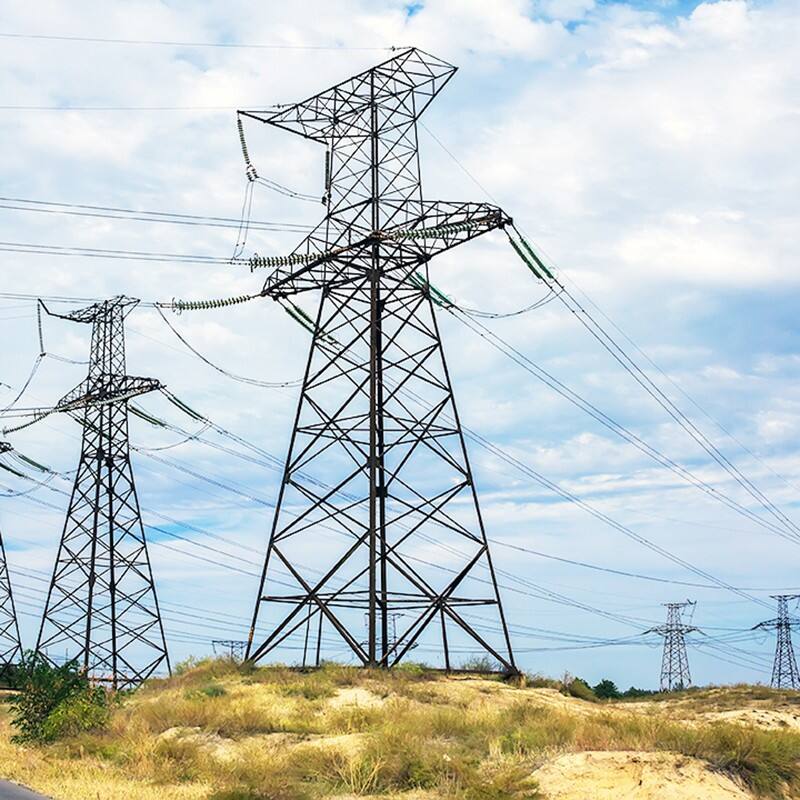
The reliability of modern power grids depends heavily on the structural integrity and operational efficiency of electrical towers that support transmission lines across vast distances. These critical infrastructure components face constant exposure to environmental stresses, mechanical loads, and weather-related challenges that can significantly impact their performance and longevity. Understanding proper maintenance protocols and implementing systematic care practices ensures that electrical towers continue to function safely and efficiently throughout their designed service life, protecting both the power grid's stability and the communities it serves.
Foundation and Structural Integrity Assessment
Regular Foundation Inspection Protocols
The foundation system represents the most critical component of any transmission tower structure, requiring systematic evaluation to identify potential issues before they compromise tower stability. Professional maintenance teams conduct comprehensive visual inspections of concrete foundations, checking for signs of cracking, spalling, or settlement that could indicate structural weakness. These inspections typically occur on an annual basis, with additional assessments following severe weather events or seismic activity that might affect foundation integrity.
Advanced inspection techniques include ground-penetrating radar surveys and concrete core sampling to evaluate the internal condition of foundation elements. Maintenance professionals also examine the condition of anchor bolts, ensuring proper torque specifications and identifying any signs of corrosion or fatigue that could compromise the connection between the tower structure and its foundation. Documentation of all findings provides valuable data for trending analysis and predictive maintenance planning.
Steel Structure Evaluation and Care
Steel lattice structures require meticulous attention to prevent corrosion and maintain structural strength throughout their operational lifespan. Maintenance teams perform detailed inspections of all structural members, connections, and joints, looking for signs of rust, cracking, or deformation that could indicate stress concentration or material degradation. These assessments include both visual examination and non-destructive testing methods such as ultrasonic thickness measurements and magnetic particle inspection.
Protective coating systems play a vital role in preserving steel components, requiring regular evaluation and maintenance to ensure continued effectiveness. Maintenance schedules typically include cleaning, surface preparation, and recoating activities based on environmental exposure conditions and coating performance. Priority areas for coating maintenance include connection points, base sections, and areas with high stress concentrations where coating damage is most likely to occur.
Electrical Component Maintenance and Safety
Insulator System Care and Replacement
Insulator assemblies represent critical safety components that require specialized maintenance attention to prevent electrical failures and ensure worker safety. Regular cleaning protocols remove accumulated contamination from insulator surfaces, particularly in areas with high pollution levels or salt spray exposure that can create conductive paths. Maintenance teams use appropriate cleaning methods and materials that effectively remove contaminants without damaging insulator surfaces or glazing.
Inspection procedures include visual assessment of insulator condition, checking for chips, cracks, or other damage that could compromise electrical performance. Electrical testing methods such as insulation resistance measurements and power factor testing provide quantitative data about insulator condition and help identify units requiring replacement. Systematic replacement programs ensure that insulators are changed before reaching the end of their reliable service life.
Conductor and Hardware Inspection
Transmission conductors and associated hardware components experience constant mechanical stress and environmental exposure that requires ongoing monitoring and maintenance attention. Regular inspection protocols examine conductor condition, looking for signs of fretting, corrosion, or strand breakage that could affect electrical performance or mechanical strength. These inspections also evaluate the condition of splice joints, compression fittings, and vibration dampers that protect conductors from wind-induced fatigue.
Hardware maintenance includes examination of clamps, brackets, and support assemblies that secure conductors to tower structures. Proper torque specifications must be maintained on all connections, and any signs of loosening or mechanical wear require immediate attention. Thermal imaging surveys can identify hot spots in connections that indicate increased resistance or poor contact conditions requiring corrective maintenance.
Environmental Protection and Weather Resistance
Corrosion Prevention Strategies
Effective corrosion prevention represents one of the most important aspects of tower maintenance, particularly for electrical towers located in coastal environments or areas with high atmospheric pollution. Comprehensive protection systems include properly applied protective coatings, cathodic protection where appropriate, and regular maintenance of coating systems to ensure continued effectiveness. Environmental monitoring helps maintenance teams understand local corrosion conditions and adjust maintenance schedules accordingly.
Maintenance programs include regular assessment of coating condition using standardized evaluation criteria to determine when recoating is necessary. Surface preparation and coating application procedures must follow manufacturer specifications and industry standards to ensure optimal performance. Priority is given to areas with the highest corrosion risk, including connections, base sections, and areas where moisture accumulation is likely to occur.
Weather Event Response and Recovery
Severe weather events require immediate response protocols to assess potential damage and ensure continued safe operation of transmission systems. Post-storm inspection procedures include systematic evaluation of all structural components, looking for evidence of impact damage, deformation, or connection loosening that might compromise tower integrity. These assessments must be conducted by qualified personnel with appropriate safety equipment and procedures.
Emergency repair protocols ensure that critical repairs are completed quickly while maintaining safety standards and structural integrity. Temporary stabilization measures may be necessary while permanent repairs are planned and executed. Documentation of weather-related damage provides valuable data for improving design standards and maintenance procedures for future installations.
Predictive Maintenance Technologies and Monitoring
Advanced Inspection Technologies
Modern maintenance programs increasingly rely on advanced inspection technologies that provide more detailed and accurate assessment of tower condition while improving worker safety and inspection efficiency. Drone-based inspection systems allow detailed visual examination of tower structures without requiring workers to climb to elevated positions, while thermal imaging capabilities can identify temperature anomalies that indicate potential problems with electrical connections or components.
Ground-based inspection technologies include laser scanning systems that create detailed three-dimensional models of tower structures, enabling precise measurement of any deformation or settlement over time. These digital records provide valuable baseline data for comparison with future inspections, helping to identify gradual changes that might not be apparent during routine visual inspections.
Condition Monitoring and Data Analysis
Continuous monitoring systems provide real-time data about tower performance and environmental conditions, enabling maintenance teams to identify developing problems before they become critical issues. Vibration monitoring systems can detect changes in tower response characteristics that might indicate structural problems, while weather monitoring provides data about environmental stresses affecting tower performance.
Data analysis techniques help maintenance professionals identify trends and patterns in tower performance, enabling more effective scheduling of maintenance activities and replacement of components. Predictive analytics can forecast when maintenance will be required based on historical performance data and current operating conditions, optimizing maintenance resources and reducing the risk of unexpected failures.
Safety Protocols and Workforce Training
Worker Safety and Certification Requirements
Maintenance activities on electrical towers require specialized training and certification to ensure worker safety and proper execution of maintenance procedures. Workers must be trained in electrical safety procedures, fall protection systems, and rescue techniques specific to tower work environments. Regular refresher training ensures that workers stay current with evolving safety standards and best practices in the industry.
Safety equipment requirements include appropriate personal protective equipment, fall arrest systems, and electrical safety gear rated for the voltage levels present in the work environment. Work planning procedures must include detailed job safety analysis and coordination with system operators to ensure that electrical hazards are properly controlled during maintenance activities.
Quality Control and Documentation
Comprehensive documentation systems track all maintenance activities, inspection findings, and corrective actions taken throughout the tower's service life. These records provide valuable historical data for trending analysis and help maintenance teams identify recurring issues or components with shorter than expected service life. Quality control procedures ensure that all maintenance work meets established standards and specifications.
Regular auditing of maintenance programs helps identify opportunities for improvement and ensures compliance with regulatory requirements and industry standards. Performance metrics track the effectiveness of maintenance activities in achieving reliability objectives and controlling costs while maintaining safety standards.
FAQ
How often should electrical towers undergo comprehensive inspections
Comprehensive inspections of electrical towers should typically be conducted annually, with additional assessments following severe weather events or any suspected structural issues. The frequency may increase in harsh environmental conditions such as coastal areas with salt exposure or regions with frequent severe weather. These detailed inspections should include foundation assessment, structural evaluation, electrical component testing, and coating condition review to ensure all aspects of tower performance are maintained.
What are the most critical maintenance areas for extending tower lifespan
Foundation integrity and corrosion prevention represent the most critical maintenance areas for electrical towers. Foundation problems can compromise the entire structure's stability, while corrosion of steel components can significantly reduce load-carrying capacity and structural reliability. Regular coating maintenance, proper drainage around foundations, and systematic inspection of all connections help ensure maximum service life and reliable performance throughout the tower's operational period.
How do environmental conditions affect maintenance schedules
Environmental conditions significantly impact maintenance scheduling, with coastal environments requiring more frequent coating maintenance due to salt exposure, while areas with high pollution levels need more regular insulator cleaning. Regions experiencing frequent severe weather may require additional post-storm inspections and potentially more frequent structural assessments. Cold climates may necessitate special attention to foundation frost protection and thermal cycling effects on materials and connections.
What role does predictive maintenance play in tower care
Predictive maintenance uses condition monitoring data and advanced analytics to forecast when maintenance will be needed, allowing for more efficient resource allocation and reduced risk of unexpected failures. Technologies such as vibration monitoring, thermal imaging, and structural health monitoring systems provide continuous data about tower condition, enabling maintenance teams to identify developing problems before they become critical and schedule maintenance activities at optimal times.