
 EN
EN
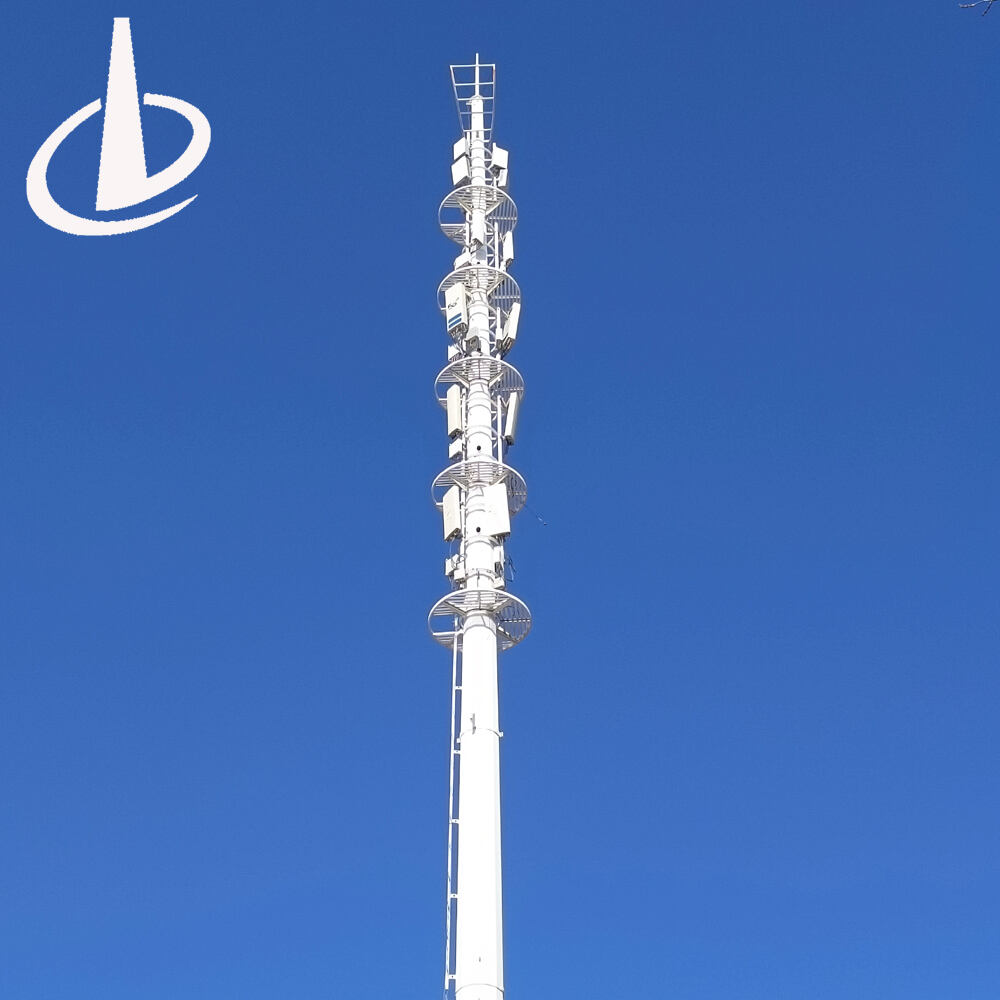
Electrical towers form the backbone of modern power transmission infrastructure, carrying electricity across vast distances from generation facilities to distribution networks. These towering steel structures enable reliable power delivery to homes, businesses, and industrial facilities by supporting high-voltage transmission lines safely above ground. Understanding how these critical components function reveals the sophisticated engineering that keeps our electrical grid operational around the clock.
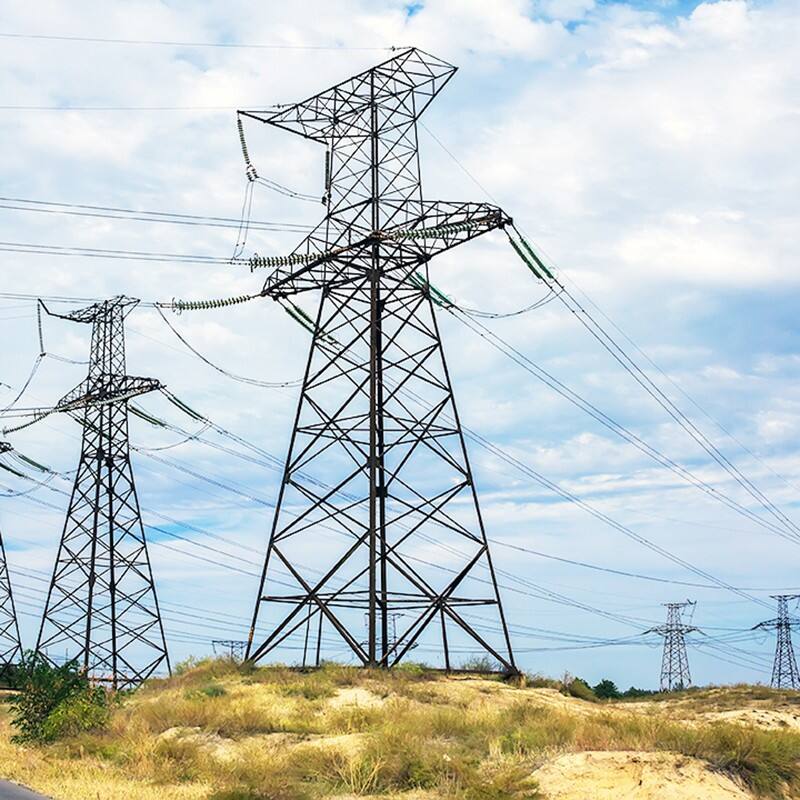
The strategic placement and robust construction of electrical towers ensures continuous power flow even under challenging environmental conditions. Each tower must withstand substantial mechanical loads while maintaining precise conductor positioning to prevent electrical faults. The engineering principles behind these structures combine materials science, structural analysis, and electrical safety standards to create a dependable transmission network.
Structural Engineering Foundations of Electrical Towers
Load Distribution and Material Selection
Modern electrical towers utilize high-strength steel construction to manage the complex forces acting upon transmission infrastructure. The lattice design distributes mechanical loads efficiently through triangulated frameworks, ensuring structural integrity under normal operating conditions and extreme weather events. Engineers calculate wind loads, ice accumulation, and conductor tension forces to determine appropriate steel grades and member sizing for each installation location.
The angular steel configuration provides optimal strength-to-weight ratios while allowing for standardized manufacturing processes. Hot-dip galvanizing protects steel components from corrosion, extending service life beyond fifty years in most environmental conditions. Quality control measures during fabrication ensure consistent material properties and dimensional accuracy across tower components.
Foundation Systems and Ground Stability
Tower foundations transfer structural loads safely into the supporting soil or rock formations through engineered concrete systems. Geotechnical investigations determine appropriate foundation types, whether spread footings, drilled shafts, or specialized designs for challenging soil conditions. The foundation design must account for uplift forces during high wind events and settling characteristics over the structure's operational lifetime.
Proper grounding systems integrate with foundation elements to provide electrical safety pathways for fault currents and lightning strikes. These grounding networks protect both the transmission equipment and surrounding areas from electrical hazards while maintaining system reliability. Regular inspection and maintenance of foundation systems ensures continued structural performance throughout the tower's service life.
Electrical Design Considerations for Power Transmission
Conductor Support and Clearance Requirements
Electrical towers must maintain precise conductor positioning to ensure adequate electrical clearances under all operating conditions. The tower geometry accommodates thermal expansion and contraction of transmission lines while preventing dangerous electrical flashovers. Insulator assemblies provide electrical isolation between energized conductors and the grounded tower structure, with designs selected based on voltage levels and environmental contamination factors.
Standard clearance requirements specify minimum distances between conductors and between conductors and grounded surfaces to maintain electrical safety margins. These clearances account for conductor sag variations due to temperature changes and electrical loading conditions. Electrical towers incorporate adjustable hardware to accommodate construction tolerances and long-term settling effects.
Lightning Protection and System Reliability
Lightning protection systems on electrical towers utilize shield wires and grounding networks to intercept lightning strikes before they can damage transmission equipment or cause power outages. The tower's steel structure provides a conductive path for lightning currents to reach ground safely. Advanced protection schemes coordinate with substation equipment to minimize the impact of lightning-induced faults on overall system reliability.
Modern towers incorporate surge arresters and other protective devices to limit overvoltage conditions during lightning events. These protection systems work in conjunction with transmission line design to maintain power delivery even when lightning strikes occur. Regular testing and maintenance of protection equipment ensures continued effectiveness against lightning-related disruptions.
Construction Methods and Installation Practices
Site Preparation and Access Requirements
Tower construction begins with comprehensive site surveys to identify optimal locations that balance electrical requirements with environmental and logistical constraints. Access roads must accommodate heavy construction equipment and material delivery vehicles while minimizing environmental impact. Site preparation includes clearing vegetation, establishing temporary construction facilities, and implementing erosion control measures.
Construction scheduling coordinates multiple trades and specialized equipment to complete tower installation efficiently. Weather windows and seasonal restrictions may limit construction activities in certain regions, requiring careful project planning. Quality assurance programs verify that construction practices meet design specifications and industry standards throughout the installation process.
Assembly Techniques and Safety Protocols
Tower assembly utilizes specialized cranes and rigging equipment to position steel members accurately according to engineering drawings. Experienced crews follow detailed assembly sequences to ensure proper fit-up of connections and maintain structural alignment. High-strength bolted connections provide reliable load transfer while allowing for field adjustment during construction.
Safety protocols for tower construction address the unique hazards associated with working at height near energized electrical equipment. Personal protective equipment, fall protection systems, and electrical safety procedures protect construction workers from injury. Regular safety training and hazard recognition programs maintain high safety standards throughout the construction process.
Maintenance and Lifecycle Management
Inspection Procedures and Condition Assessment
Regular inspection programs identify potential issues with electrical towers before they can affect transmission reliability. Visual inspections examine structural components for signs of corrosion, fatigue, or damage from environmental factors. Advanced inspection techniques may include ultrasonic testing, magnetic particle inspection, or drone-based surveys to assess tower condition comprehensively.
Condition assessment protocols categorize findings by severity and recommend appropriate maintenance actions. Trending analysis of inspection data helps predict future maintenance needs and optimize resource allocation. Digital asset management systems track inspection history and maintenance activities to support informed decision-making about tower lifecycle management.
Preventive Maintenance and Component Replacement
Preventive maintenance programs address routine tasks such as hardware tightening, grounding system verification, and vegetation management around tower bases. Scheduled maintenance activities extend component service life and prevent unexpected failures that could cause power outages. Specialized maintenance crews utilize appropriate tools and procedures to work safely on energized transmission systems.
Component replacement programs identify tower elements that have reached the end of their useful life and require renewal. Replacement activities may involve individual hardware items, complete structural members, or major tower modifications to accommodate system upgrades. Planning and execution of replacement projects minimize transmission outages while ensuring continued system reliability.
Environmental Considerations and Regulatory Compliance
Environmental Impact Assessment and Mitigation
Environmental assessments evaluate potential impacts of electrical towers on local ecosystems, wildlife habitats, and visual resources. Mitigation measures may include alternative tower designs, specialized wildlife protection equipment, or habitat restoration activities. Consultation with environmental agencies and stakeholders helps identify appropriate measures to minimize adverse effects.
Bird protection measures on electrical towers include insulator covers, perch guards, and wildlife-friendly tower designs that reduce the risk of electrocution or collision. These measures protect both wildlife populations and transmission system reliability by preventing animal-related outages. Monitoring programs track the effectiveness of wildlife protection measures and identify opportunities for improvement.
Regulatory Standards and Compliance Requirements
Electrical towers must comply with numerous regulatory standards covering structural design, electrical safety, environmental protection, and construction practices. National electrical codes specify minimum safety requirements for transmission infrastructure, while structural codes address design loads and construction quality. Environmental regulations may impose additional requirements for sensitive locations or protected areas.
Compliance documentation demonstrates that tower installations meet applicable regulatory requirements throughout the project lifecycle. Regular audits and inspections verify continued compliance with evolving standards and regulations. Industry associations and professional organizations provide guidance on best practices for regulatory compliance in transmission infrastructure projects.
FAQ
What factors determine the height of electrical towers in transmission systems
Tower height depends on several critical factors including conductor clearance requirements, terrain variations, and span lengths between structures. Higher voltages require greater clearances to ground and between phases, necessitating taller towers. Environmental conditions such as maximum expected conductor sag due to temperature and ice loading also influence height requirements. Additionally, obstacles like roads, railways, or other utilities may require increased tower heights to maintain safe clearances.
How do electrical towers handle extreme weather conditions like high winds and ice storms
Electrical towers are engineered to withstand extreme weather through robust structural design and careful load analysis. Wind loading calculations consider both steady-state and dynamic wind effects, while ice accumulation studies determine additional loads from freezing precipitation. The lattice structure efficiently distributes these loads throughout the framework, and foundation systems transfer forces safely to the ground. Specialized designs for high-wind or heavy-icing regions incorporate additional structural capacity and protective features.
What maintenance activities are required to keep electrical towers operating safely
Regular maintenance includes visual inspections for structural damage, corrosion assessment, hardware tightening, and grounding system testing. Vegetation management around tower bases prevents interference with guy wires and access roads. Protective coating renewal and component replacement address normal wear and aging effects. Advanced inspection techniques may be employed periodically to assess internal structural conditions and identify potential issues before they affect system reliability.
How long do electrical towers typically remain in service before replacement is necessary
Well-designed and maintained electrical towers typically provide fifty to seventy-five years of reliable service under normal operating conditions. Service life depends on environmental factors such as corrosive atmospheres, extreme weather frequency, and maintenance quality. Regular condition assessments help utilities plan for eventual replacement or major refurbishment activities. Some towers may require component replacement or structural modifications during their service life to accommodate system upgrades or changing operating requirements.
Table of Contents
- Structural Engineering Foundations of Electrical Towers
- Electrical Design Considerations for Power Transmission
- Construction Methods and Installation Practices
- Maintenance and Lifecycle Management
- Environmental Considerations and Regulatory Compliance
-
FAQ
- What factors determine the height of electrical towers in transmission systems
- How do electrical towers handle extreme weather conditions like high winds and ice storms
- What maintenance activities are required to keep electrical towers operating safely
- How long do electrical towers typically remain in service before replacement is necessary