
 EN
EN
Modern power grids rely on sophisticated infrastructure to deliver electricity safely across vast distances, and electrical towers serve as the backbone of this critical system. These towering structures, also known as transmission towers or power line towers, are engineered to withstand extreme weather conditions while maintaining the integrity of high-voltage power lines. The complex network of electrical towers spans continents, connecting power generation facilities to distribution centers and ultimately to end consumers. Understanding how these structures ensure safe electricity transmission requires examining their design principles, safety mechanisms, and the engineering standards that govern their construction and operation.
Structural Engineering and Design Principles
Load Distribution and Mechanical Strength
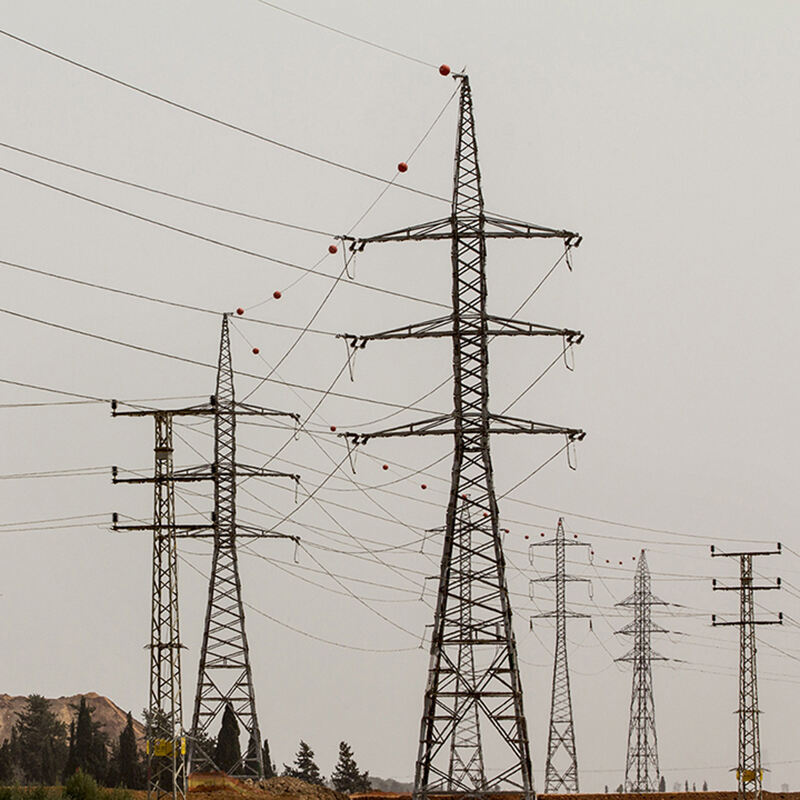
The fundamental safety of electrical towers begins with their structural design, which must accommodate multiple types of loads including dead loads from conductors and hardware, live loads from wind and ice, and dynamic loads from conductor motion. Engineers calculate these forces using advanced modeling software that simulates various environmental conditions and loading scenarios. The lattice framework design commonly used in electrical towers provides optimal strength-to-weight ratios while allowing wind to pass through the structure, reducing lateral forces that could compromise stability.
Steel fabrication for these towers follows stringent quality standards, with hot-dip galvanizing providing corrosion resistance that extends the operational lifespan to several decades. The tapering design from base to apex distributes loads efficiently, while cross-bracing elements transfer forces throughout the structure. Foundation systems are engineered specifically for local soil conditions, often extending deep underground to anchor the tower against uplift forces and overturning moments.
Clearance Requirements and Spatial Planning
Safety clearances between conductors and ground level, as well as between different voltage levels, are precisely calculated based on electrical codes and environmental factors. These clearances account for conductor sag under various temperature and loading conditions, ensuring adequate separation even during extreme weather events. The height of electrical towers is determined by these clearance requirements, terrain features, and the need to maintain safe distances from buildings, vegetation, and transportation corridors.
Strategic tower placement considers factors such as terrain accessibility, environmental impact, and maintenance requirements. Engineers utilize Geographic Information Systems (GIS) technology to optimize transmission line routes, minimizing the number of towers required while maintaining safety standards. The spacing between towers varies based on conductor tension, terrain conditions, and safety factors, with typical spans ranging from several hundred meters to over a kilometer in favorable conditions.
Electrical Safety Systems and Insulation
Insulator Technology and Performance
Electrical safety in transmission systems depends heavily on high-quality insulation that prevents unwanted current flow between conductors and grounded tower structures. Modern electrical towers utilize composite insulators or porcelain insulator strings designed to withstand both electrical stress and environmental conditions. These insulators must maintain their dielectric properties under contamination, moisture, and extreme temperatures while providing mechanical support for conductor loads.
The creepage distance of insulators is carefully calculated to prevent flashover under wet or contaminated conditions. Pollution severity levels in different geographic areas influence insulator selection, with coastal and industrial regions requiring enhanced insulation designs. Regular inspection and cleaning of insulators form part of preventive maintenance programs that ensure continued electrical safety and system reliability.
Grounding Systems and Fault Protection
Comprehensive grounding systems protect electrical towers from lightning strikes and provide fault current paths that prevent dangerous voltage buildup on tower structures. Ground electrode systems typically consist of multiple grounding rods, counterpoise wires, and ground rings that create low-resistance paths to earth. The resistance of these grounding systems is measured regularly to ensure compliance with safety standards and optimal performance during fault conditions.
Lightning protection systems integrated into tower design include shield wires or ground wires positioned above the phase conductors to intercept lightning strikes and channel them safely to ground. The positioning and grounding of these protective conductors is critical for maintaining system reliability during thunderstorms. Surge arresters may also be installed at strategic locations to limit overvoltages that could damage equipment or compromise safety.
Environmental Considerations and Weather Resistance
Wind Loading and Structural Response
Electrical towers must withstand extreme wind conditions throughout their operational lifetime, requiring careful analysis of wind loading patterns and structural response characteristics. Design wind speeds are determined from meteorological data and building codes, with safety factors applied to account for uncertainties and extreme weather events. The lattice structure of most towers provides inherent flexibility that helps dissipate wind energy while maintaining structural integrity.
Dynamic analysis considers the interaction between wind forces, conductor motion, and tower vibrations to prevent resonance conditions that could lead to fatigue failures. Damping devices may be installed on conductors to reduce wind-induced oscillations, protecting both the conductors and tower structures from excessive mechanical stress. Regular structural inspections verify that towers continue to meet safety standards as they age and are exposed to repeated loading cycles.
Ice Loading and Cold Weather Performance
Ice accumulation on conductors and tower structures creates significant additional loading that must be considered in tower design for cold climate regions. The combined weight of ice and wind forces can create extreme loading conditions that challenge tower stability and conductor integrity. Anti-icing systems or ice-shedding techniques may be employed to reduce ice accumulation, while tower designs incorporate additional strength margins to handle ice loading scenarios.
Cold weather also affects the mechanical properties of steel components and conductor materials, requiring careful material selection and design considerations. Thermal expansion and contraction cycles throughout seasonal temperature variations create stress patterns that influence tower longevity and maintenance requirements. Weather monitoring systems provide real-time data that helps operators anticipate and respond to challenging environmental conditions.
Maintenance and Monitoring Systems
Predictive Maintenance Technologies
Modern electrical towers benefit from advanced monitoring systems that continuously assess structural health and identify potential issues before they compromise safety or reliability. Sensor networks can monitor parameters such as tower tilt, foundation settlement, conductor tension, and environmental conditions. Data analytics and machine learning algorithms process this information to predict maintenance needs and optimize inspection schedules.
Drone technology and thermal imaging enable detailed inspections of tower components and electrical connections without requiring personnel to work at height. These technologies improve inspection accuracy while reducing safety risks associated with traditional climbing inspections. High-resolution imagery and automated analysis can detect early signs of corrosion, mechanical wear, or electrical problems that require attention.
Safety Protocols and Maintenance Procedures
Comprehensive safety protocols govern all maintenance activities on electrical towers, ensuring worker safety while maintaining system reliability. These protocols include detailed procedures for de-energizing lines, establishing safety zones, and utilizing appropriate personal protective equipment. Training programs ensure that maintenance personnel understand electrical hazards and proper safety procedures for working around high-voltage equipment.
Scheduled maintenance activities include structural inspections, hardware replacement, insulator cleaning, and grounding system testing. Documentation of maintenance activities creates historical records that support reliability analysis and help optimize future maintenance strategies. Emergency response procedures are established to address urgent repairs and restore service quickly following equipment failures or storm damage.
Regulatory Standards and Compliance
International Safety Standards
Electrical towers must comply with comprehensive safety standards established by international organizations such as the International Electrotechnical Commission (IEC) and national regulatory bodies. These standards specify requirements for structural design, electrical clearances, materials specifications, and testing procedures. Compliance with these standards ensures consistent safety performance across different manufacturers and operating environments.
Design codes such as ASCE 10 in North America and EN 50341 in Europe provide detailed guidance for tower structural analysis and design verification. These codes are regularly updated to incorporate new research findings, improved materials, and lessons learned from field experience. Third-party certification processes verify that tower designs meet applicable standards before construction begins.
Quality Assurance and Testing Requirements
Manufacturing quality control processes ensure that electrical towers meet specified requirements for dimensional accuracy, material properties, and surface treatment quality. Factory inspection and testing programs verify bolt hole alignment, galvanizing thickness, and steel grade compliance. Documentation requirements create traceable records that support long-term asset management and regulatory compliance.
Field testing of completed installations includes foundation load testing, grounding resistance measurement, and structural verification. These tests confirm that installed towers perform as designed and meet safety requirements before energization. Ongoing testing requirements ensure that safety systems continue to function properly throughout the tower's operational lifetime.
FAQ
How do electrical towers prevent electricity from reaching the ground
Electrical towers prevent electricity from reaching the ground through sophisticated insulation systems that include high-voltage insulators made from porcelain or composite materials. These insulators create an electrical barrier between the energized conductors and the grounded tower structure, while maintaining sufficient creepage distance to prevent flashover under adverse weather conditions. The insulator design considers factors such as voltage level, environmental contamination, and mechanical loading to ensure reliable electrical isolation throughout the tower's operational life.
What safety features protect electrical towers from lightning strikes
Lightning protection for electrical towers incorporates multiple safety features including overhead ground wires or shield wires that intercept lightning strikes before they can reach the phase conductors. These protective conductors are connected to comprehensive grounding systems that safely channel lightning current to earth through low-resistance paths. Additionally, the tower structure itself acts as a natural lightning rod, with proper grounding ensuring that strike energy dissipates safely without damaging equipment or creating hazardous conditions.
How often do electrical towers require safety inspections
Safety inspection frequencies for electrical towers vary based on factors such as age, environmental conditions, and regulatory requirements, but typically include annual visual inspections, detailed structural assessments every three to five years, and comprehensive condition evaluations every decade. More frequent inspections may be required in harsh environments or following severe weather events. Modern monitoring systems enable continuous assessment of tower condition, allowing operators to optimize inspection schedules based on actual performance data rather than fixed time intervals.
What happens if an electrical tower fails during operation
When an electrical tower fails during operation, multiple protective systems activate to ensure safety and minimize system disruption. Protective relaying systems detect abnormal conditions and automatically isolate the affected transmission line section, preventing cascading failures and maintaining power flow through alternative paths. Emergency response procedures include immediate area isolation, public safety notifications, and deployment of repair crews to assess damage and implement temporary solutions. Backup transmission capacity and system redundancy help maintain electrical service while permanent repairs are completed.