
 EN
EN
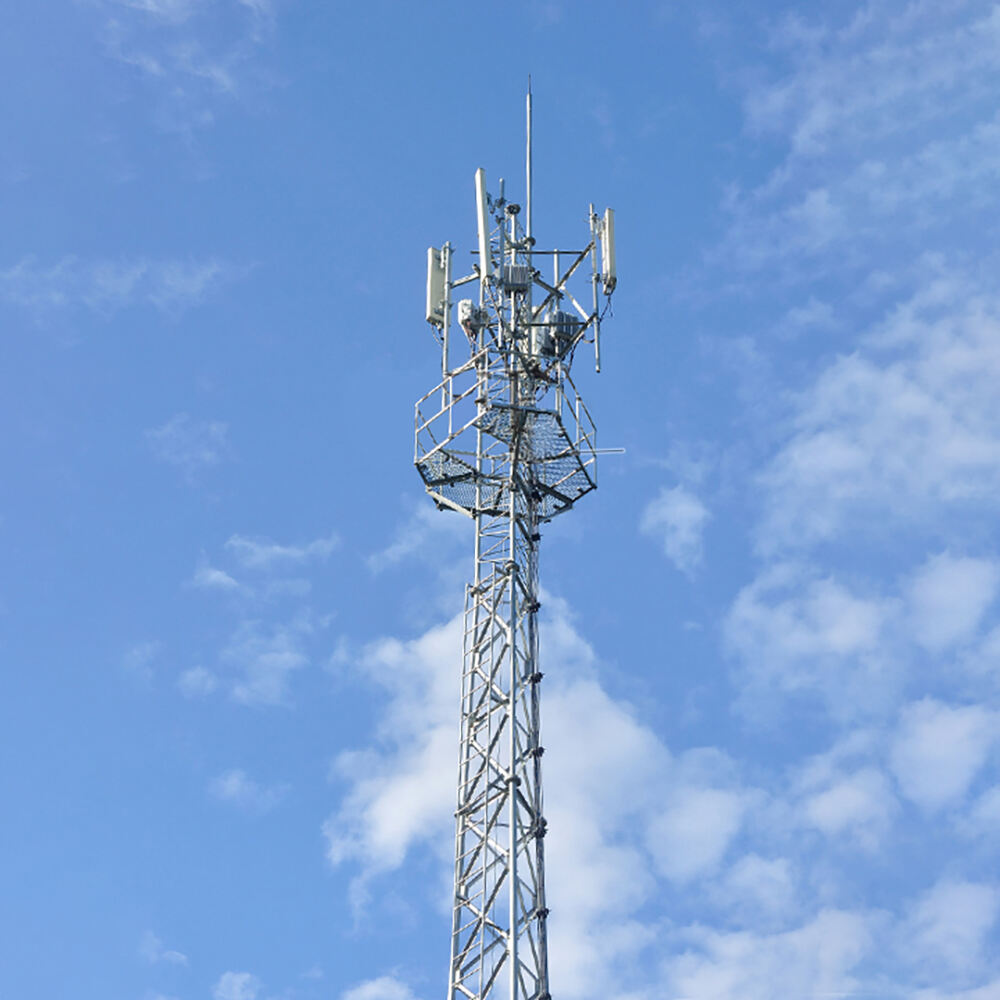
Modern power grid infrastructure depends heavily on the structural integrity and longevity of electrical towers that support high-voltage transmission lines across vast distances. These critical components of our electrical infrastructure face constant exposure to harsh environmental conditions, extreme weather events, and mechanical stress from heavy conductors and cables. The durability of electrical towers directly impacts grid reliability, maintenance costs, and overall system performance, making advanced protective technologies essential for sustainable power transmission networks.
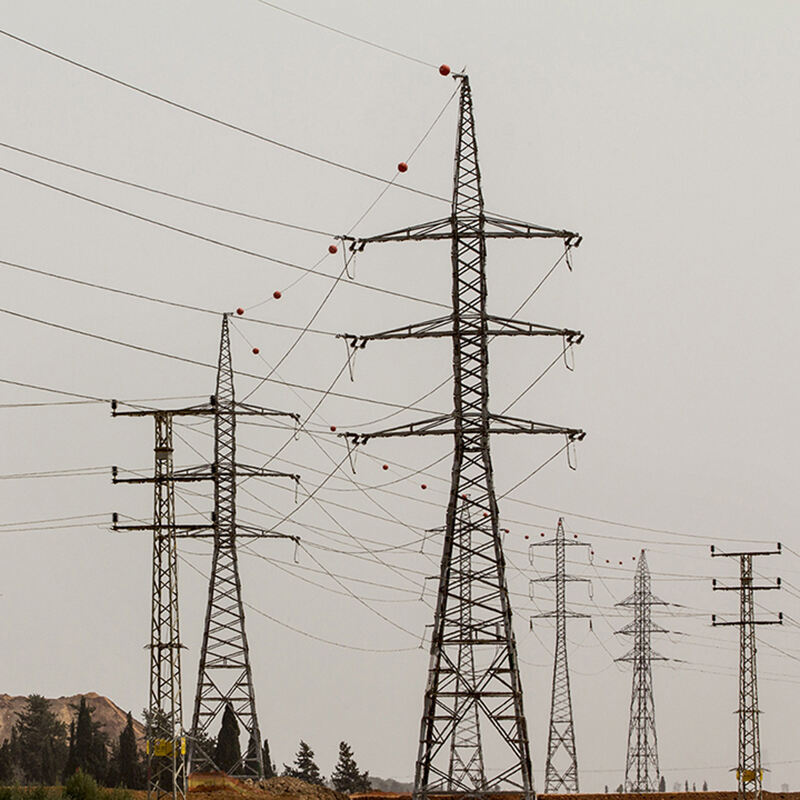
The engineering challenges associated with transmission tower construction have evolved significantly over the past decade, driven by increasing power demands and the need for more resilient infrastructure. Utility companies and engineers continuously seek innovative solutions to extend tower lifespan while reducing maintenance requirements and operational costs. Understanding the various technologies that enhance tower durability provides valuable insights into modern power system design and infrastructure development strategies.
Advanced Corrosion Protection Systems
Hot-Dip Galvanization Process
Hot-dip galvanization represents one of the most effective methods for protecting steel tower structures from corrosion damage. This process involves immersing fabricated steel components in molten zinc at temperatures exceeding 450 degrees Celsius, creating a metallurgical bond between the zinc coating and the base steel material. The resulting zinc-iron alloy layers provide exceptional protection against atmospheric corrosion, extending the service life of electrical towers by several decades compared to unprotected steel structures.
The galvanization process creates multiple protective layers, including pure zinc on the outer surface and zinc-iron alloy layers beneath. These coatings act as both barrier and sacrificial protection, preventing oxygen and moisture from reaching the underlying steel while providing cathodic protection through the preferential oxidation of zinc. Modern galvanizing facilities utilize advanced temperature control systems and zinc bath chemistry management to ensure uniform coating thickness and optimal adhesion characteristics across complex tower geometries.
Quality control measures in galvanization processes include coating thickness testing, adhesion verification, and visual inspection protocols that ensure consistent protection levels. Advanced electrical towers benefit from specialized galvanizing techniques that accommodate varying member sizes and complex joint configurations while maintaining uniform protection throughout the entire structure.
Duplex Coating Systems
Duplex coating systems combine galvanization with additional protective paint layers to provide enhanced durability in particularly aggressive environments. These systems typically apply organic coatings over galvanized surfaces, creating a synergistic protection mechanism that significantly extends service life beyond either treatment alone. The galvanized layer provides baseline corrosion protection while the paint system offers additional barrier protection and aesthetic benefits.
Modern duplex systems utilize high-performance coating formulations including epoxy, polyurethane, and fluoropolymer materials that resist UV degradation, chemical attack, and mechanical damage. Application techniques involve surface preparation procedures that ensure proper adhesion between the galvanized substrate and organic coatings. These systems prove particularly valuable in coastal environments, industrial areas, and regions with high atmospheric pollution levels where standard galvanization alone may not provide adequate long-term protection.
High-Performance Steel Alloys and Materials
Weathering Steel Technology
Weathering steel alloys incorporate specific alloying elements such as copper, chromium, and nickel that enhance atmospheric corrosion resistance through the formation of protective oxide layers. These self-protecting steels develop stable rust patinas that act as barriers against further corrosion penetration, reducing maintenance requirements over the tower's service life. The initial weathering process typically requires several years to establish fully protective oxide layers, but the resulting corrosion resistance proves superior to conventional structural steels.
Advanced weathering steel formulations utilize precise chemistry control to optimize patina formation while maintaining required mechanical properties for structural applications. Modern production techniques ensure consistent alloy distribution and microstructural characteristics that promote uniform weathering behavior across large structural members. These materials prove particularly effective in rural and suburban environments with moderate atmospheric conditions, though they require careful evaluation for use in highly corrosive industrial or marine environments.
Stainless Steel Components
Critical tower components such as bolts, brackets, and hardware benefit from stainless steel construction that provides exceptional corrosion resistance without requiring additional protective coatings. Austenitic stainless steel grades offer excellent mechanical properties combined with outstanding resistance to atmospheric corrosion, stress corrosion cracking, and galvanic corrosion when used with other materials. The initial higher cost of stainless steel components often proves cost-effective over the tower's service life through reduced maintenance and replacement requirements.
Duplex and super-duplex stainless steel grades provide enhanced strength characteristics that enable lighter component designs while maintaining superior corrosion performance. These advanced alloys incorporate balanced austenite-ferrite microstructures that combine the corrosion resistance of austenitic grades with the strength advantages of ferritic compositions. Careful material selection based on specific environmental conditions ensures optimal performance and cost-effectiveness for various tower applications and geographic locations.
Structural Design Innovations
Fatigue-Resistant Connection Details
Modern electrical towers incorporate advanced connection designs that minimize stress concentrations and improve fatigue resistance under dynamic loading conditions. These design innovations include optimized bolt patterns, improved joint geometries, and connection details that distribute loads more uniformly across structural members. Finite element analysis and fatigue testing validate connection performance under various loading scenarios, ensuring reliable long-term operation.
Advanced bolting systems utilize high-strength materials and precise installation procedures that maintain proper preload levels throughout the tower's service life. Fatigue-resistant connection hardware incorporates features such as controlled geometry transitions, optimized stress flow patterns, and materials selected for superior fatigue performance. These improvements significantly extend tower service life by eliminating common failure modes associated with cyclic loading from wind, conductor motion, and thermal effects.
Redundant Load Path Design
Contemporary tower designs incorporate multiple load paths that provide structural redundancy and improved damage tolerance characteristics. These design approaches ensure that localized member failures do not result in progressive collapse or catastrophic structural failure. Redundant systems distribute loads through alternative paths when primary members experience damage or deterioration, maintaining overall structural integrity and allowing time for planned maintenance interventions.
Advanced analysis techniques evaluate system-level behavior under various damage scenarios, ensuring adequate safety margins and reliable performance throughout the design life. Modern electrical towers utilize optimized member arrangements and connection details that facilitate load redistribution while maintaining efficient material utilization. These design philosophies prove particularly important for critical transmission lines where service interruptions carry significant economic and social consequences.
Environmental Protection Technologies
Lightning Protection Systems
Comprehensive lightning protection systems protect electrical towers from direct strike damage and reduce the risk of flashover events that could compromise system reliability. Modern protection schemes utilize strategically positioned air terminals, down conductors, and grounding systems that safely conduct lightning currents to earth without causing structural damage. Advanced protection designs consider the tower's role within the overall transmission line protection strategy, ensuring coordinated performance across the entire system.
Surge protection devices and coordinated insulation systems work in conjunction with structural lightning protection to minimize equipment damage and service disruptions. Contemporary designs utilize risk assessment methodologies that evaluate local lightning activity patterns and optimize protection system configurations for specific geographic locations and tower applications. These comprehensive approaches significantly reduce lightning-related maintenance costs and improve overall system reliability.
Anti-Icing Technologies
Ice accumulation on tower structures and conductors poses significant challenges in cold climate regions, potentially causing structural overloading and system reliability issues. Modern anti-icing technologies include heated conductor systems, ice-shedding surface treatments, and structural modifications that minimize ice accumulation and facilitate natural ice removal. These systems prove particularly valuable for critical transmission lines that must maintain reliable operation during severe winter weather conditions.
Advanced monitoring systems detect ice formation and accumulation patterns, enabling proactive management of anti-icing systems and maintenance scheduling. Contemporary approaches utilize weather forecasting data and real-time monitoring to optimize system operation while minimizing energy consumption and operational costs. These technologies ensure continued power transmission reliability even under extreme winter weather conditions that historically caused significant service disruptions.
Smart Monitoring and Maintenance Systems
Structural Health Monitoring
Integrated sensor networks provide continuous monitoring of tower structural conditions, enabling predictive maintenance strategies that optimize service life and reduce unexpected failures. Modern monitoring systems utilize strain gauges, accelerometers, and environmental sensors that track structural response, loading conditions, and environmental factors affecting tower performance. Advanced data analysis techniques identify developing issues before they reach critical levels, allowing planned maintenance interventions.
Wireless communication systems and cloud-based data processing enable remote monitoring capabilities that reduce inspection costs while improving maintenance effectiveness. Machine learning algorithms analyze historical performance data to predict maintenance requirements and optimize inspection schedules based on actual tower conditions rather than predetermined time intervals. These smart monitoring approaches significantly improve maintenance efficiency while reducing lifecycle costs and improving system reliability.
Drone-Based Inspection Technologies
Unmanned aerial vehicle inspection systems provide detailed visual assessment of tower conditions while reducing safety risks and inspection costs associated with traditional climbing methods. Advanced drone platforms incorporate high-resolution cameras, thermal imaging systems, and specialized sensors that detect corrosion, structural damage, and component deterioration from safe distances. Automated flight patterns ensure comprehensive coverage and consistent inspection quality across large tower populations.
Artificial intelligence analysis of drone-collected imagery enables rapid identification of maintenance requirements and trending of deterioration patterns over time. Contemporary systems integrate inspection data with maintenance management platforms that prioritize repair activities and optimize resource allocation across transmission networks. These technological advances significantly improve inspection thoroughness while reducing costs and safety risks associated with traditional tower maintenance activities.
FAQ
How long do modern electrical towers typically last with proper maintenance?
Modern electrical towers with advanced protective coatings and proper maintenance typically achieve service lives of 50 to 80 years or longer. Galvanized steel towers in moderate environments often exceed 60-year service lives, while towers with duplex coating systems or constructed from weathering steel can achieve even longer lifespans. Regular inspection and maintenance programs, combined with proactive component replacement, enable many towers to provide reliable service well beyond their original design life expectations.
What are the most critical factors affecting tower durability?
Environmental conditions represent the most significant factors affecting tower longevity, including atmospheric corrosivity, temperature cycling, wind loading, and precipitation patterns. Coastal environments with salt exposure, industrial areas with chemical pollutants, and regions with frequent freeze-thaw cycles present the greatest challenges to tower durability. Proper material selection, protective coating systems, and maintenance strategies must account for specific environmental conditions to optimize tower performance and service life.
How do galvanized coatings compare to painted protection systems?
Galvanized coatings provide superior long-term protection compared to paint systems alone, offering both barrier and sacrificial protection mechanisms that continue functioning even if the coating becomes damaged. While galvanization requires higher initial investment, the extended maintenance intervals and superior durability often result in lower lifecycle costs. Paint systems require more frequent maintenance and reapplication, though they may be preferable in specific aesthetic or environmental situations where galvanization alone proves insufficient.
What role does structural design play in tower durability?
Structural design significantly influences tower durability through connection details, load distribution, and damage tolerance characteristics. Well-designed towers incorporate fatigue-resistant connections, redundant load paths, and details that minimize stress concentrations and corrosion initiation sites. Modern design approaches utilize advanced analysis techniques that optimize material distribution while ensuring adequate safety margins and reliable long-term performance under various loading and environmental conditions.