
 EN
EN
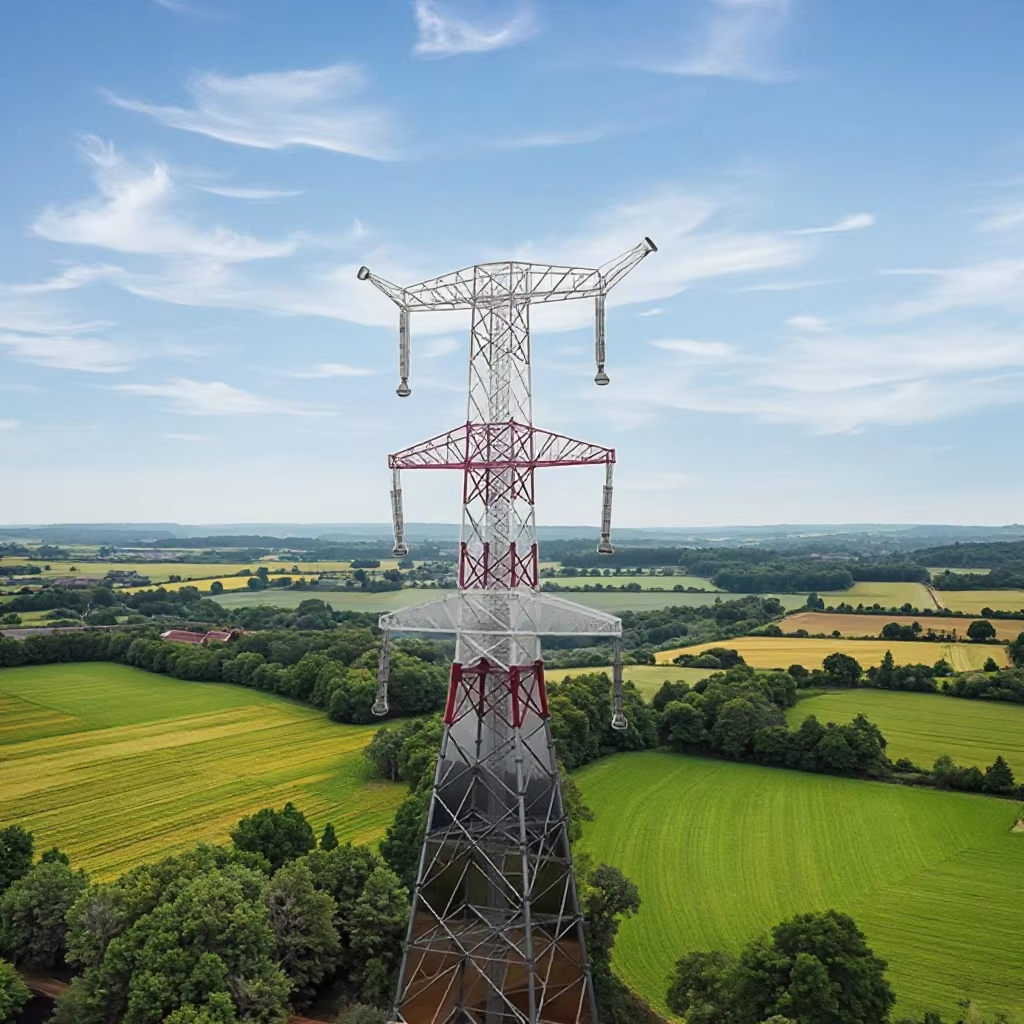
Large-scale power infrastructure projects represent some of the most complex engineering undertakings in modern construction, requiring specialized components that can withstand decades of environmental stress while maintaining structural integrity. When utilities, government agencies, and private developers embark on these massive transmission initiatives, they consistently turn to experienced electrical tower manufacturers who possess the technical expertise, manufacturing capabilities, and proven track record necessary to deliver reliable solutions. The selection of the right manufacturing partner often determines the success or failure of multi-million dollar projects that serve entire communities.
Technical Expertise and Engineering Excellence
Advanced Design Capabilities
Experienced electrical tower manufacturers bring decades of accumulated knowledge in structural engineering, materials science, and electrical systems integration. These companies employ teams of specialized engineers who understand the complex calculations required for wind load resistance, seismic stability, and electromagnetic field management. Their design capabilities extend beyond basic structural requirements to encompass sophisticated modeling techniques that predict tower performance under extreme weather conditions and long-term operational stress.
The engineering teams at established manufacturers utilize cutting-edge software platforms for finite element analysis, enabling them to optimize tower designs for specific geographic and climatic conditions. This technical depth allows them to create custom solutions that meet unique project requirements while maintaining cost-effectiveness and structural reliability. Their expertise in material selection ensures that each tower component is precisely engineered for its intended application and environmental exposure.
Quality Assurance and Testing Protocols
Seasoned manufacturers have developed comprehensive quality assurance programs that encompass every aspect of production, from raw material inspection to final assembly verification. These protocols include rigorous testing procedures that simulate decades of operational conditions, ensuring that each tower meets or exceeds industry standards for safety and performance. Their testing facilities often include specialized equipment for stress testing, corrosion resistance evaluation, and electrical insulation verification.
The quality control processes implemented by experienced manufacturers typically involve multiple inspection points throughout the manufacturing cycle, with documented traceability for all materials and components. This systematic approach to quality management reduces the risk of field failures and ensures consistent performance across entire project installations. Their commitment to quality extends to ongoing monitoring and improvement of manufacturing processes based on field performance data and technological advances.
Manufacturing Scale and Production Capabilities
Industrial Infrastructure and Equipment
Large power projects require manufacturers with substantial production capacity and sophisticated manufacturing facilities capable of handling high-volume orders while maintaining consistent quality standards. Experienced electrical tower manufacturers typically operate large-scale industrial facilities equipped with automated welding systems, precision cutting equipment, and advanced galvanizing lines. These investments in manufacturing infrastructure enable them to produce towers efficiently while maintaining tight tolerances and superior finish quality.
The scale of operations at established manufacturers allows for economies of scale that benefit large projects through competitive pricing and shortened delivery schedules. Their production facilities are designed to handle the massive steel components required for transmission towers, with specialized handling equipment and assembly lines optimized for tower manufacturing. This industrial capacity is particularly crucial for projects requiring hundreds or thousands of identical tower structures within compressed timeframes.
Supply Chain Management and Material Sourcing
Experienced manufacturers have developed robust supply chain networks that ensure reliable access to high-quality raw materials and specialized components required for tower construction. Their established relationships with steel suppliers, hardware manufacturers, and coating specialists provide stability and predictability for large project planning. These supply chain partnerships often include preferential pricing agreements and priority allocation during periods of high demand or material shortages.
The supply chain expertise of seasoned manufacturers extends to international sourcing capabilities, enabling them to leverage global markets for specialized materials while maintaining strict quality standards. Their procurement teams understand the complexities of material specifications for electrical infrastructure and can source components that meet specific project requirements and regulatory standards. This supply chain sophistication is essential for large projects that require consistent material quality across extended production runs.
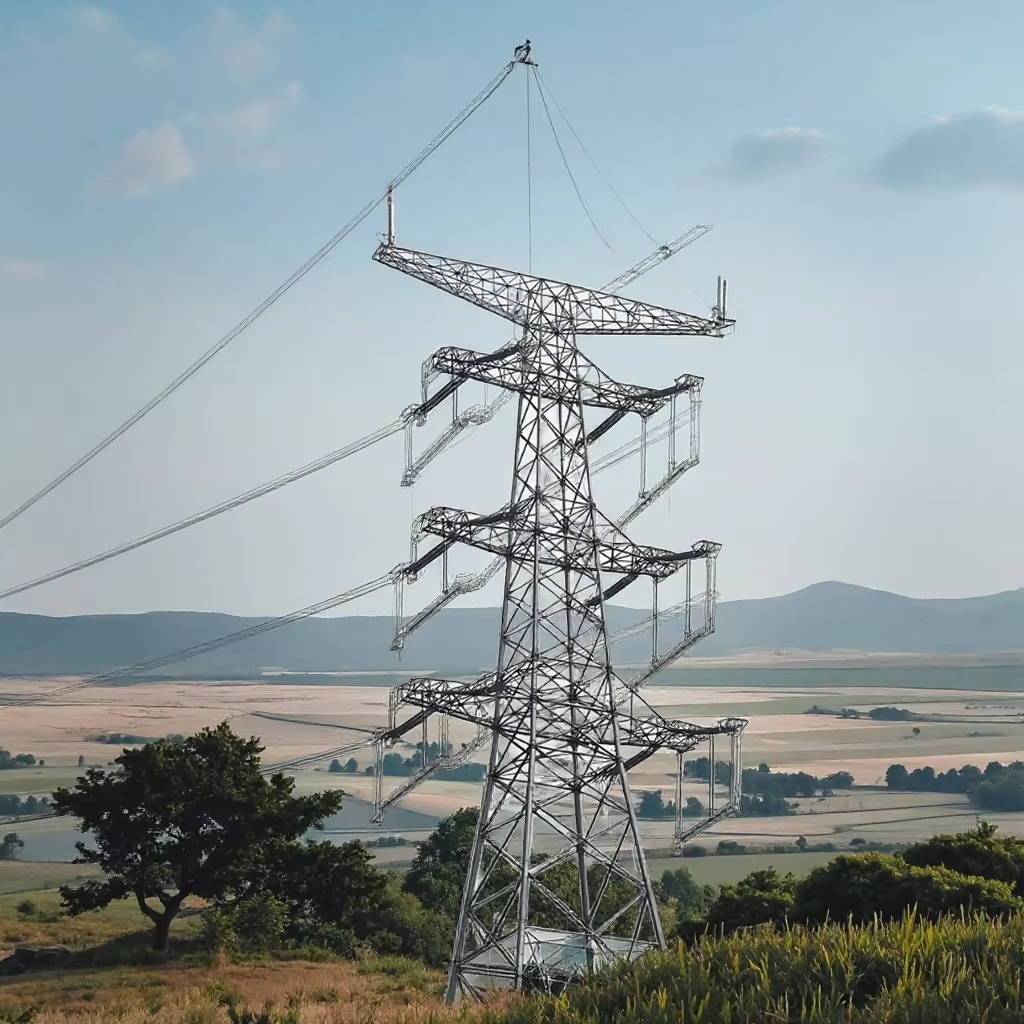
Project Management and Delivery Excellence
Comprehensive Project Coordination
Large power infrastructure projects involve complex coordination between multiple stakeholders, including utility companies, construction contractors, regulatory agencies, and local communities. Experienced manufacturers bring sophisticated project management capabilities that ensure seamless integration of tower manufacturing with overall project schedules and requirements. Their project management teams understand the critical path dependencies that can impact project timelines and work proactively to prevent delays.
The project coordination expertise of established manufacturers includes detailed logistics planning for tower transportation and delivery to construction sites. They understand the complexities of moving large, heavy components over long distances and can coordinate with transportation specialists to ensure timely delivery. Their project management systems provide real-time visibility into production progress, quality metrics, and delivery schedules, enabling project stakeholders to make informed decisions throughout the construction process.
Risk Management and Contingency Planning
Experienced electrical tower manufacturer operations include comprehensive risk management programs that identify potential challenges and develop mitigation strategies before they impact project delivery. These risk management capabilities encompass supply chain disruptions, weather delays, quality issues, and regulatory changes that could affect project timelines or costs. Their experience with large projects enables them to anticipate common challenges and implement preventive measures.
The contingency planning expertise of seasoned manufacturers includes backup production capacity, alternative supplier networks, and flexible delivery options that can accommodate unexpected project changes. Their risk management teams work closely with project stakeholders to develop comprehensive contingency plans that address various scenarios while minimizing impact on project schedules and budgets. This proactive approach to risk management provides confidence and security for project owners investing significant resources in power infrastructure development.
Regulatory Compliance and Industry Standards
Standards Adherence and Certification
Power infrastructure projects must comply with numerous industry standards and regulatory requirements that vary by region and application. Experienced electrical tower manufacturers maintain comprehensive certification programs that ensure their products meet or exceed all applicable standards, including those established by the Institute of Electrical and Electronics Engineers, American National Standards Institute, and International Electrotechnical Commission. Their quality management systems are typically certified to international standards such as ISO 9001, demonstrating their commitment to consistent quality and continuous improvement.
The regulatory compliance expertise of established manufacturers extends to understanding regional variations in standards and requirements across different markets. Their engineering teams stay current with evolving standards and regulatory changes, ensuring that their designs and manufacturing processes remain compliant throughout project development. This regulatory knowledge is particularly valuable for international projects that must meet multiple sets of standards and certification requirements.
Environmental and Safety Compliance
Modern power projects face increasing scrutiny regarding environmental impact and worker safety, requiring manufacturers to demonstrate compliance with comprehensive environmental and safety regulations. Experienced manufacturers have implemented environmental management systems that address air quality, waste management, and resource conservation throughout their operations. Their facilities typically include advanced pollution control systems and waste recycling programs that minimize environmental impact.
The safety compliance programs of seasoned manufacturers encompass both manufacturing operations and product safety throughout the tower lifecycle. Their safety management systems include comprehensive training programs, hazard identification protocols, and continuous monitoring of safety performance. This commitment to safety extends to product design, with towers engineered to facilitate safe installation, maintenance, and eventual decommissioning while protecting utility workers and the public.
Long-Term Support and Service Capabilities
Technical Support and Maintenance Services
Large power projects represent long-term investments that require ongoing support and maintenance throughout their operational lifecycle, which can span several decades. Experienced electrical tower manufacturers typically provide comprehensive technical support services that include installation guidance, maintenance recommendations, and troubleshooting assistance for field issues. Their technical support teams understand the operational challenges that can arise with transmission infrastructure and can provide expert guidance for maintenance planning and problem resolution.
The service capabilities of established manufacturers often include field inspection services, structural assessments, and component replacement programs that help utilities maintain optimal tower performance throughout the operational lifecycle. Their service technicians are trained on the specific characteristics and requirements of their tower designs, enabling them to provide accurate assessments and effective solutions for maintenance challenges. This ongoing support capability provides valuable assurance for project owners making long-term infrastructure investments.
Product Evolution and Technology Advancement
The electrical power industry continues to evolve with advancing technology, changing environmental requirements, and evolving operational practices. Experienced manufacturers invest in research and development programs that drive continuous improvement in tower design, materials, and manufacturing processes. Their technology development efforts focus on enhancing performance, reducing costs, and addressing emerging industry challenges such as increased power transmission capacity and extreme weather resilience.
The innovation capabilities of seasoned manufacturers enable them to adapt their products and services to meet changing market requirements while leveraging their accumulated experience and expertise. Their development teams work closely with utility customers to understand emerging needs and develop solutions that address future challenges. This commitment to continuous improvement ensures that large projects benefit from the latest technological advances while maintaining the reliability and performance standards required for critical infrastructure applications.
FAQ
What specific qualifications should I look for when selecting an electrical tower manufacturer for large projects?
When evaluating potential manufacturers, focus on their engineering certifications, quality management system certifications like ISO 9001, and their track record with projects of similar scale and complexity. Look for manufacturers with dedicated engineering teams, comprehensive testing facilities, and established quality assurance protocols. Additionally, verify their manufacturing capacity, supply chain stability, and ability to meet project timeline requirements while maintaining consistent quality standards.
How do experienced manufacturers handle custom design requirements for unique project conditions?
Established electrical tower manufacturers typically maintain specialized engineering teams capable of developing custom solutions for unique geographic, climatic, or operational requirements. They utilize advanced modeling software and have access to extensive databases of performance data from previous projects. Their design process includes thorough site condition analysis, stakeholder consultation, and iterative design optimization to ensure optimal performance while meeting all project specifications and regulatory requirements.
What role does manufacturing scale play in large power project success?
Manufacturing scale directly impacts project delivery timelines, cost competitiveness, and quality consistency across large installations requiring hundreds or thousands of towers. Large-scale manufacturers can leverage economies of scale to provide competitive pricing while investing in advanced manufacturing equipment and quality control systems. Their production capacity enables them to meet aggressive project schedules while maintaining consistent quality standards throughout extended production runs.
How important is ongoing support after project completion?
Long-term support is crucial for power infrastructure investments that operate for decades. Experienced manufacturers provide technical support for installation, maintenance planning, and troubleshooting throughout the operational lifecycle. Their support services include field inspections, component replacement programs, and technical guidance for operational optimization. This ongoing relationship helps ensure optimal tower performance and can significantly extend the operational life of the infrastructure investment.
Table of Contents
- Technical Expertise and Engineering Excellence
- Manufacturing Scale and Production Capabilities
- Project Management and Delivery Excellence
- Regulatory Compliance and Industry Standards
- Long-Term Support and Service Capabilities
-
FAQ
- What specific qualifications should I look for when selecting an electrical tower manufacturer for large projects?
- How do experienced manufacturers handle custom design requirements for unique project conditions?
- What role does manufacturing scale play in large power project success?
- How important is ongoing support after project completion?