
 EN
EN
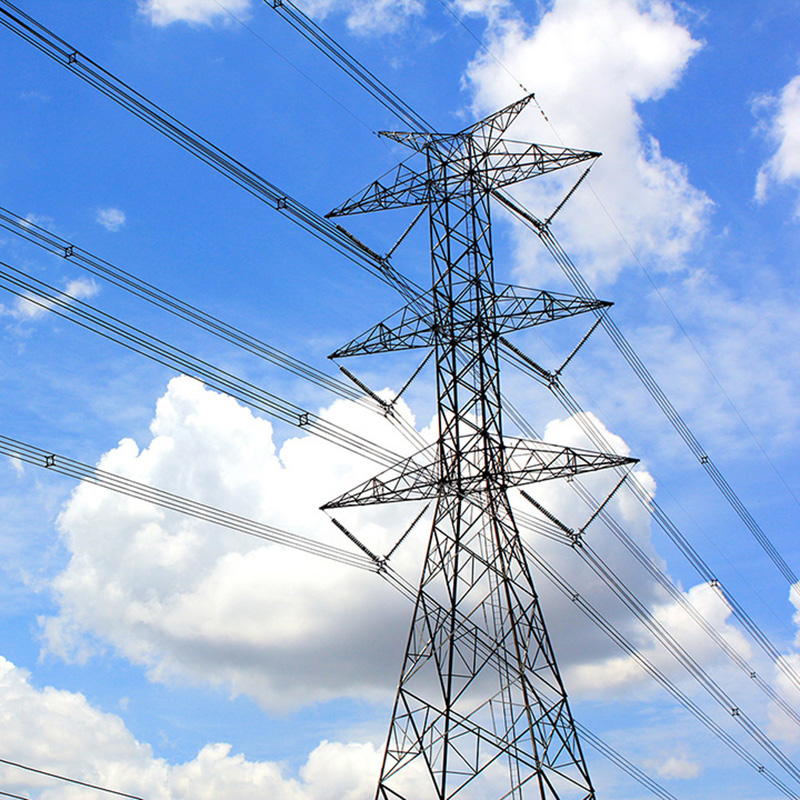
Electrical power infrastructure forms the backbone of modern society, requiring robust transmission systems capable of withstanding extreme weather conditions, heavy electrical loads, and decades of operational stress. The responsibility for creating these critical structures falls to specialized companies that design, fabricate, and deliver transmission towers meeting stringent safety standards. Understanding how these manufacturers ensure structural integrity and optimal load capacity reveals the sophisticated engineering processes behind reliable electrical grid systems.
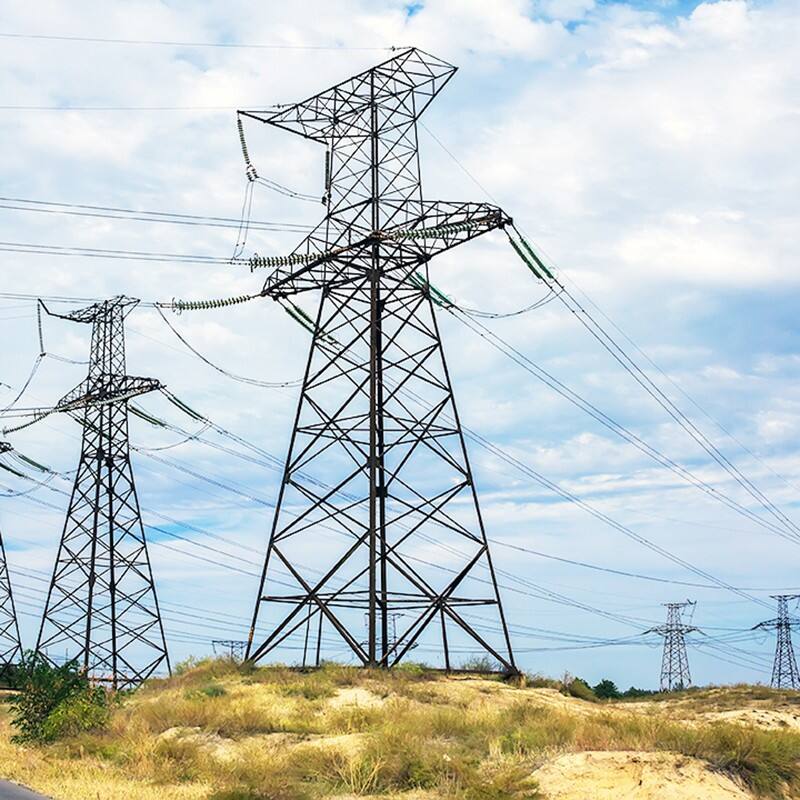
Modern transmission networks demand towers capable of supporting heavy conductor loads while resisting environmental forces including wind, ice accumulation, seismic activity, and temperature fluctuations. Manufacturing companies specializing in electrical infrastructure must implement comprehensive quality assurance protocols throughout every phase of production, from initial design calculations to final installation support. These rigorous standards ensure that transmission towers operate safely for their intended service life, typically spanning 50 to 100 years under normal operating conditions.
The complexity of electrical tower manufacturing extends beyond simple steel fabrication, encompassing advanced materials science, structural engineering principles, and specialized coating technologies. Each tower represents a carefully engineered solution balancing multiple design constraints including conductor clearance requirements, foundation limitations, environmental exposure conditions, and economic considerations. Successful manufacturers integrate these diverse technical requirements while maintaining consistent production quality and meeting project delivery schedules.
Engineering Design Principles for Maximum Structural Integrity
Load Analysis and Structural Calculations
Comprehensive load analysis forms the foundation of safe electrical tower design, incorporating multiple force categories that towers must withstand throughout their operational lifetime. Dead loads include the permanent weight of conductors, ground wires, insulators, and hardware attached to the tower structure. Live loads encompass variable forces such as wind pressure on conductors and tower members, ice accumulation during winter storms, and dynamic effects from conductor oscillation or galloping phenomena.
Advanced structural analysis software enables engineers to model complex loading scenarios and optimize tower geometry for specific installation environments. These computational tools simulate extreme weather events, evaluate structural response under various loading combinations, and identify potential failure modes before physical construction begins. Modern analysis techniques incorporate probabilistic design methods that account for statistical variations in material properties, loading conditions, and environmental factors affecting long-term tower performance.
Seismic considerations require specialized analysis procedures for towers installed in earthquake-prone regions, where ground motion can impose significant dynamic loads on transmission structures. Engineers must evaluate soil-structure interaction effects, assess foundation adequacy under seismic loading, and ensure adequate conductor clearances during ground movement events. These complex analyses inform critical design decisions regarding tower configuration, member sizing, and foundation requirements.
Material Selection and Specification Standards
High-strength structural steel provides the primary material for most electrical transmission towers, offering excellent strength-to-weight ratios and proven long-term durability under electrical service conditions. Steel grades typically conform to international standards such as ASTM A572 or equivalent specifications that define minimum yield strength, tensile properties, chemical composition, and weldability characteristics. Material selection must balance structural performance requirements with corrosion resistance, fabrication considerations, and economic factors.
Galvanized coatings represent the standard corrosion protection method for transmission tower steel, providing decades of maintenance-free service in most environmental conditions. Hot-dip galvanizing processes create metallurgically bonded zinc coatings that sacrifice themselves to protect underlying steel from atmospheric corrosion. Coating thickness specifications vary based on environmental exposure severity, with heavier coatings specified for coastal, industrial, or other corrosive environments where accelerated steel degradation might occur.
Specialized alloy steels or alternative materials may be specified for unique environmental conditions or performance requirements beyond the capabilities of conventional carbon steel. Weathering steels offer enhanced atmospheric corrosion resistance through controlled oxidation processes that form protective surface layers. Stainless steel components provide maximum corrosion resistance for critical applications, though economic considerations typically limit their use to specific hardware items or highly corrosive environments.
Manufacturing Quality Control and Testing Protocols
Fabrication Process Control Systems
Modern manufacturing facilities employ sophisticated quality management systems that monitor and control every aspect of tower fabrication, from raw material receipt through final product shipment. Statistical process control methods track dimensional accuracy, welding quality, surface preparation standards, and coating application parameters to ensure consistent product quality. These systems generate comprehensive documentation demonstrating compliance with project specifications and applicable industry standards.
Automated cutting equipment ensures precise member lengths and connection details that facilitate proper field assembly and structural performance. Computer-controlled plasma cutting systems maintain tight dimensional tolerances while minimizing heat-affected zones that could compromise material properties. Robotic welding systems provide consistent weld quality and penetration characteristics that meet or exceed specified strength requirements for critical structural connections.
Each electrical tower manufacturer implements comprehensive inspection protocols that verify dimensional accuracy, surface quality, and assembly completeness before product shipment. These inspections utilize calibrated measuring equipment, trained quality personnel, and documented procedures that ensure objective evaluation of manufacturing results. Non-conforming products are identified, segregated, and addressed through corrective action processes that prevent defective materials from reaching construction sites.
Material Testing and Certification Requirements
Incoming steel materials undergo rigorous testing to verify compliance with specified mechanical properties, chemical composition, and physical characteristics. Mill test certificates provide initial documentation of steel properties, while additional testing may be performed to confirm material adequacy for specific applications. Tensile testing, impact testing, and chemical analysis ensure that raw materials meet project requirements before entering the fabrication process.
Welding procedure qualification establishes appropriate parameters for joining structural members while maintaining required strength and ductility characteristics. Qualified welders demonstrate proficiency through standardized testing procedures that evaluate their ability to produce acceptable welds under production conditions. Ongoing weld quality monitoring includes visual inspection, dimensional verification, and periodic destructive testing to ensure continued compliance with established procedures.
Galvanized coating quality receives verification through standardized testing methods that measure coating thickness, adherence characteristics, and uniformity across all tower surfaces. Magnetic thickness gauges provide non-destructive coating thickness measurements at specified intervals, while coating weight determinations offer alternative verification methods. Visual inspection identifies coating defects, repairs, or areas requiring additional attention before product acceptance.
Structural Safety Verification and Load Testing Methods
Prototype Testing and Validation Programs
Full-scale prototype testing provides definitive verification of tower structural performance under design loading conditions, validating analytical predictions and confirming safety margins built into the design process. These comprehensive tests subject complete tower assemblies to systematically applied loads that simulate service conditions including vertical loads, transverse loads, longitudinal loads, and various loading combinations specified in applicable standards.
Testing protocols follow established procedures that gradually increase applied loads while monitoring structural response through strategically placed instrumentation. Strain gauges, displacement transducers, and load cells provide quantitative data documenting tower behavior throughout the loading sequence. Critical measurements include member stresses, connection forces, foundation reactions, and overall structural deflections that demonstrate adequate performance margins.
Ultimate load testing establishes actual tower capacity by continuing load application beyond design levels until structural failure occurs. These destructive tests identify failure modes, validate design assumptions, and confirm that actual tower strength exceeds specified requirements by appropriate safety factors. Failure analysis provides valuable feedback for design optimization and manufacturing process improvements that enhance product reliability.
Field Installation Support and Quality Assurance
Comprehensive installation support ensures proper tower assembly and foundation construction that realizes the structural performance intended by the design. Technical representatives provide on-site guidance for critical construction activities including foundation preparation, tower erection sequences, bolt tensioning procedures, and quality control inspections. This support prevents installation errors that could compromise structural integrity or safety performance.
Foundation design and construction oversight ensures adequate load transfer between tower structures and supporting soil systems. Geotechnical investigations inform foundation design decisions, while construction quality control verifies proper concrete placement, reinforcement installation, and anchor bolt positioning. Foundation adequacy directly impacts overall structural performance and long-term tower stability under service loading conditions.
Post-installation inspections verify proper assembly completion and identify any construction issues requiring correction before energization. These inspections encompass dimensional verification, connection torque confirmation, grounding system continuity, and overall structural condition assessment. Documentation of installation quality provides baseline information for future maintenance planning and warranty support activities.
Advanced Technologies in Tower Manufacturing
Computer-Aided Design and Analysis Systems
Sophisticated computer-aided design systems enable electrical tower manufacturers to optimize structural configurations while minimizing material usage and construction costs. Three-dimensional modeling capabilities facilitate detailed analysis of complex geometries, connection details, and load transfer mechanisms throughout the tower structure. These design tools integrate seamlessly with analysis software that evaluates structural performance under various loading scenarios and environmental conditions.
Finite element analysis techniques provide detailed stress distributions and deformation patterns that guide design refinements and identify potential areas of concern before physical construction begins. Advanced modeling capabilities include nonlinear analysis methods that account for material behavior, geometric effects, and connection characteristics that influence overall structural response. These analytical tools enable engineers to optimize tower designs for specific project requirements while maintaining appropriate safety margins.
Automated drawing generation systems produce detailed fabrication drawings, assembly instructions, and material lists directly from three-dimensional design models. This integration eliminates manual drafting errors and ensures consistency between design intent and manufacturing documentation. Parametric design capabilities enable rapid adaptation of standard tower configurations for specific project requirements including height variations, loading conditions, or environmental factors.
Manufacturing Automation and Precision Control
Robotic manufacturing systems provide consistent fabrication quality while reducing production time and labor requirements for electrical tower components. Automated material handling equipment positions steel members for processing operations, while computer-controlled machinery performs cutting, drilling, and forming operations with exceptional precision. These automated systems operate continuously with minimal human intervention, improving productivity while maintaining consistent quality standards.
Laser cutting technology enables precise profile cutting with minimal heat input that preserves material properties in critical areas. Computer-controlled laser systems follow programmed cutting paths that produce accurate dimensions while maintaining smooth edge finishes suitable for subsequent welding operations. Advanced cutting systems automatically adjust parameters based on material thickness and type to optimize cut quality and processing speed.
Integrated quality monitoring systems track manufacturing parameters in real-time, providing immediate feedback when processes deviate from established tolerance limits. Statistical process control algorithms analyze production data to identify trends that might indicate equipment wear, calibration drift, or other factors affecting product quality. Preventive maintenance programs utilize this data to schedule equipment servicing before quality issues develop.
Environmental Considerations and Sustainability Practices
Corrosion Protection and Longevity Enhancement
Long-term corrosion protection represents a critical aspect of electrical tower design and manufacturing, directly impacting structural safety and operational reliability throughout the tower service life. Environmental exposure assessments evaluate atmospheric conditions, industrial pollutants, salt spray effects, and other corrosive factors that influence coating system selection and application requirements. These evaluations inform decisions regarding coating types, thickness specifications, and maintenance planning strategies.
Advanced coating systems may incorporate multiple layers including primers, intermediate coats, and topcoats formulated for specific environmental conditions and performance requirements. Specialized coatings such as zinc-rich primers, epoxy systems, or polyurethane topcoats provide enhanced protection in aggressive environments where standard galvanizing may be insufficient. Coating system selection balances initial cost, expected service life, maintenance requirements, and environmental impact considerations.
Cathodic protection systems offer supplementary corrosion control for tower foundations and grounding systems installed in corrosive soil conditions. These electrochemical protection systems utilize sacrificial anodes or impressed current systems to maintain protective electrical potentials that prevent steel corrosion. Regular monitoring ensures continued system effectiveness and identifies maintenance requirements before corrosion damage occurs.
Sustainable Manufacturing and Material Recovery
Modern electrical tower manufacturing incorporates sustainable practices that minimize environmental impact while maintaining product quality and economic viability. Steel recycling programs recover scrap materials generated during fabrication processes, reducing waste disposal costs while conserving natural resources. High-quality steel scrap maintains value as raw material input for new steel production, creating closed-loop material cycles that support environmental sustainability.
Energy-efficient manufacturing processes reduce electrical consumption and associated carbon emissions through optimized equipment operation, waste heat recovery systems, and facility design improvements. Advanced manufacturing equipment incorporates energy management features that minimize power consumption during idle periods while maintaining rapid response capabilities when production resumes. These efficiency improvements reduce operating costs while supporting corporate environmental responsibility objectives.
End-of-life planning considers tower decommissioning and material recovery processes that maximize recyclable content while minimizing disposal requirements. Steel components retain significant value as scrap material, while galvanized coatings can be recovered through specialized recycling processes. Comprehensive material tracking systems document steel grades, coating systems, and other characteristics that facilitate efficient recycling when towers reach the end of their service life.
FAQ
What safety standards must electrical tower manufacturers follow during production?
Electrical tower manufacturers must comply with comprehensive safety standards including OSHA workplace safety regulations, structural design codes such as ASCE 10 or IEC 60652, welding standards like AWS D1.1, and galvanizing specifications such as ASTM A123. These standards ensure worker safety during manufacturing while guaranteeing that finished products meet structural performance requirements for electrical service applications. Quality management systems following ISO 9001 principles provide systematic approaches to maintaining consistent compliance with all applicable standards throughout the manufacturing process.
How do manufacturers verify load capacity before tower installation?
Load capacity verification involves multiple stages including structural analysis using advanced computer modeling, prototype testing under controlled laboratory conditions, and comprehensive quality control inspections during manufacturing. Full-scale testing subjects complete tower assemblies to design loads and beyond to confirm adequate safety margins, while material testing verifies steel properties and welding quality. These verification methods provide objective evidence that manufactured towers will safely support specified electrical loads throughout their intended service life under normal operating conditions.
What factors influence the expected service life of electrical transmission towers?
Service life depends primarily on environmental exposure conditions, maintenance practices, loading history, and initial manufacturing quality. Properly designed and manufactured towers in moderate climates typically achieve 50-100 year service lives, while aggressive environments such as coastal or industrial areas may reduce longevity without appropriate corrosion protection measures. Regular inspection and maintenance programs including coating touch-up, connection tightening, and structural assessments help maximize service life by identifying and addressing minor issues before they compromise structural integrity.
How do environmental conditions affect tower manufacturing specifications?
Environmental conditions significantly influence material selection, coating specifications, and structural design requirements for electrical transmission towers. Coastal installations require enhanced corrosion protection through heavier galvanizing or specialized coating systems, while areas with high ice loading necessitate stronger structural members and modified geometries. Seismic regions demand special foundation designs and dynamic analysis considerations, while extreme temperature environments may require materials with enhanced low-temperature toughness properties. Manufacturers must carefully evaluate site-specific conditions to ensure appropriate specifications for long-term structural performance and safety.
Table of Contents
- Engineering Design Principles for Maximum Structural Integrity
- Manufacturing Quality Control and Testing Protocols
- Structural Safety Verification and Load Testing Methods
- Advanced Technologies in Tower Manufacturing
- Environmental Considerations and Sustainability Practices
-
FAQ
- What safety standards must electrical tower manufacturers follow during production?
- How do manufacturers verify load capacity before tower installation?
- What factors influence the expected service life of electrical transmission towers?
- How do environmental conditions affect tower manufacturing specifications?