
 EN
EN

Choosing the right communication tower manufacturer determines the safety, lifespan, and total cost of your telecom project. With many suppliers active in the market, a structured evaluation process is essential. Use the ten criteria below to compare candidates objectively before you sign any agreement.

1. Certifications and Standards Compliance
Confirm that the supplier holds recognized management system certifications, such as ISO 9001, and complies with applicable steel structure and galvanizing standards. Request test reports for materials, welding, and hot-dip galvanizing. Compliance with design codes such as TIA-222 or EN 1993 is a baseline requirement for any serious manufacturer.
2. Engineering and Design Capability
A capable manufacturer provides in-house engineering services, including structural calculation, foundation design, and shop drawings. Ask whether they can adapt standard designs to your wind load, soil conditions, and antenna configuration. The ability to customize determines how well the tower fits your project.
3. Material Quality and Steel Sourcing
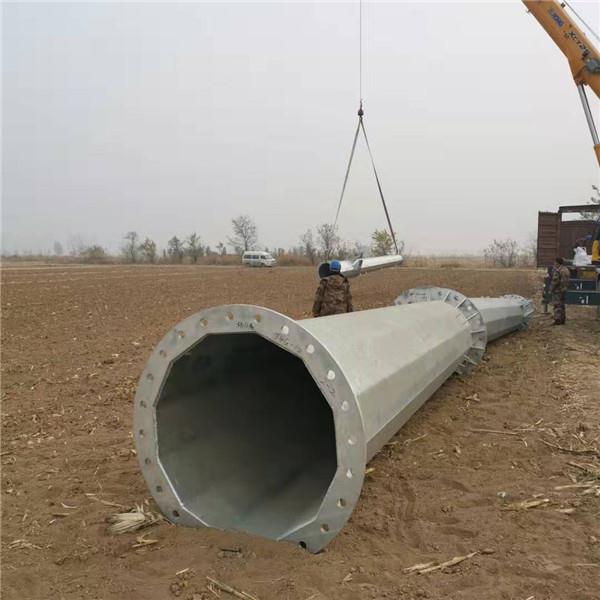
Ask where the steel is sourced and whether mill certificates are available for each batch. Check the steel grade, the zinc coating thickness of galvanizing, and the origin of bolts and fittings. Consistent material quality directly affects corrosion resistance and maintenance costs over the tower's service life.
4. Production Capacity and Equipment
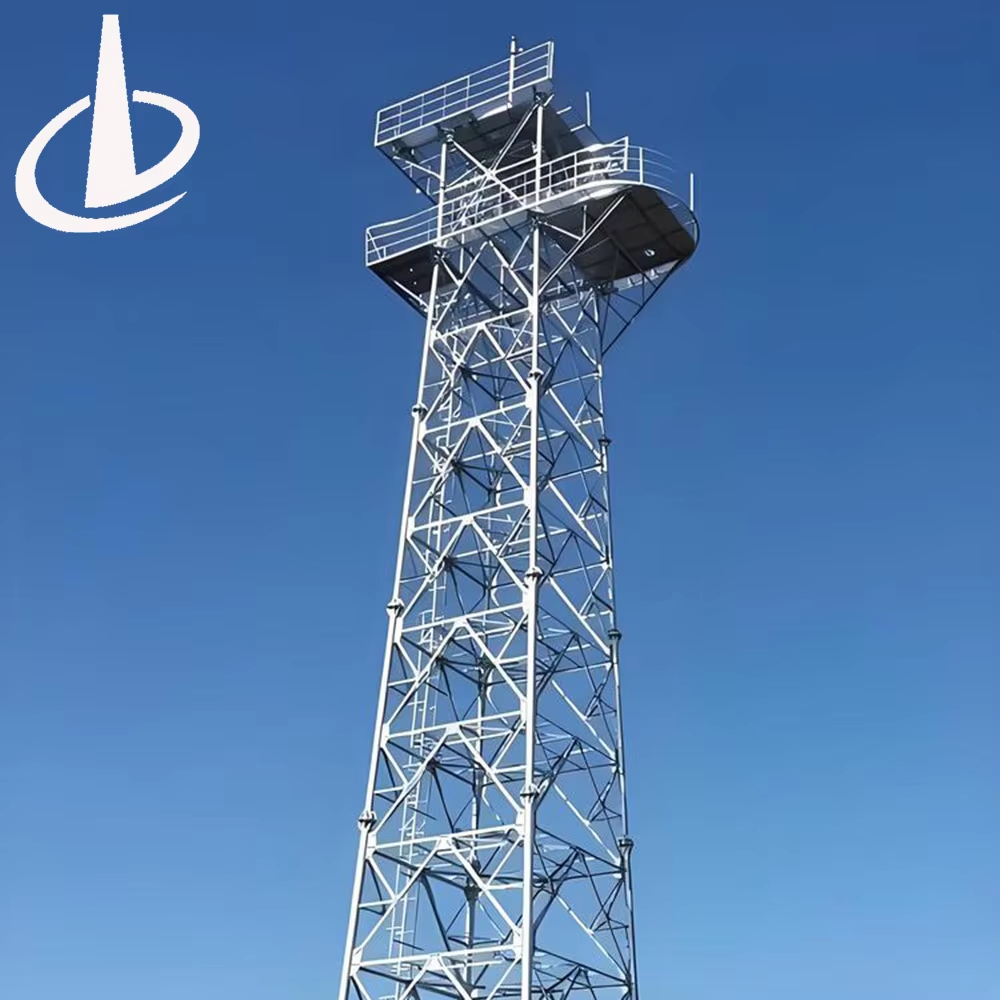
Evaluate the manufacturer's workshop area, production lines, and annual output. Arrange a factory visit or request a live video tour to observe welding quality, cutting precision, and surface finishing. A supplier operating at full capacity may struggle to meet your delivery date.
5. Track Record and Reference Projects
Ask for a list of completed projects, especially towers similar to yours or delivered in your region. Contact existing customers to verify quality, communication, and delivery punctuality. Past performance is a dependable indicator of how the manufacturer will treat your order.
6. Quality Inspection and Testing
Review their quality control at each stage, from incoming material to welding, assembly, and galvanizing. Confirm whether they carry out dimensional checks and load testing before shipment. A transparent process, supported by photos and inspection reports, builds confidence in the final product.
7. Delivery Time and Logistics
Confirm lead times for standard and customized towers, and clarify packaging, loading, and documentation for sea freight. Experienced exporters provide proper packing to prevent damage in transit and prepare customs documents correctly. Delivery delays directly affect your installation schedule.
8. Price Structure and Transparency
Request a detailed quotation that separates material, processing, galvanizing, packaging, and freight. Compare offers from several suppliers based on the same specification. Unusually low prices often indicate shortcuts in material grade or process control, which raise long-term risk.
9. Third-Party Inspection Support
Confirm whether the manufacturer accepts independent inspection by third-party agencies such as SGS or BV before shipment. A supplier that welcomes external verification demonstrates confidence in its own quality. Agree in advance on the inspection scope, timing, and cost responsibility to avoid disputes during production.
10. Communication and Responsiveness
Pay attention to how quickly and clearly the supplier responds to your inquiry. A professional partner answers technical questions accurately, sends documents promptly, and keeps you informed throughout production. Smooth communication prevents misunderstandings, rework, and delays.
Conclusion
Choosing a tower manufacturer is a risk-management decision. Apply these ten criteria, verify every claim with documents, and visit the factory when the order size justifies it. A disciplined selection process protects your investment and supports reliable network performance for decades.
Quick checklist: ISO 9001 certification / in-house engineering / mill certificates / factory visit or video tour / reference projects / pre-shipment inspection report / clear lead time / itemized quotation / third-party inspection (SGS/BV) accepted / responsive communication.
Table of Contents
- 1. Certifications and Standards Compliance
- 2. Engineering and Design Capability
- 3. Material Quality and Steel Sourcing
- 4. Production Capacity and Equipment
- 5. Track Record and Reference Projects
- 6. Quality Inspection and Testing
- 7. Delivery Time and Logistics
- 8. Price Structure and Transparency
- 9. Third-Party Inspection Support
- 10. Communication and Responsiveness
- Conclusion