
 EN
EN
High voltage power transmission towers are the backbone of modern power grids, responsible for transmitting electricity from power plants to cities, industrial parks, and remote areas. Their safe and stable operation relies on strict manufacturing standards and a sophisticated production process. From raw material selection to final inspection, every step is crucial to ensure the tower’s structural robustness, corrosion resistance, and long service life. Below is a detailed breakdown of the complete manufacturing process of high voltage power transmission towers, covering all key stages and professional operations.
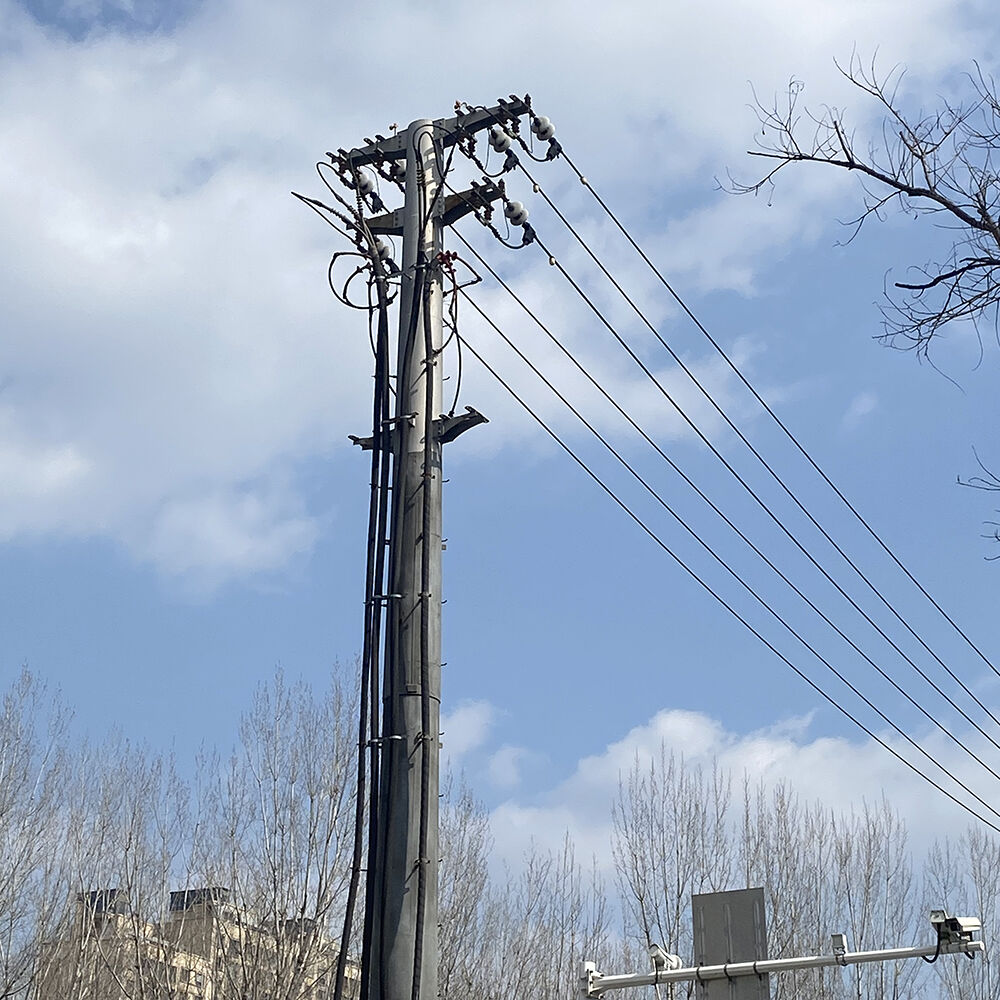
The first step in the manufacturing process is raw material selection, which lays the foundation for the tower’s quality. High voltage power transmission towers are mainly made of high-quality carbon structural steel or low-alloy high-strength steel, such as Q235 and Q355. These materials are selected for their excellent mechanical properties, including high tensile strength, good toughness, and strong load-bearing capacity, which can withstand harsh natural conditions such as strong winds, heavy rains, and extreme temperatures. Before entering the production line, all raw materials must undergo strict quality inspection. Professional inspectors check the material’s chemical composition, mechanical performance, and surface quality through laboratory tests and visual inspections to ensure they meet national and international standards. Any unqualified raw materials are rejected to avoid affecting the overall quality of the tower.
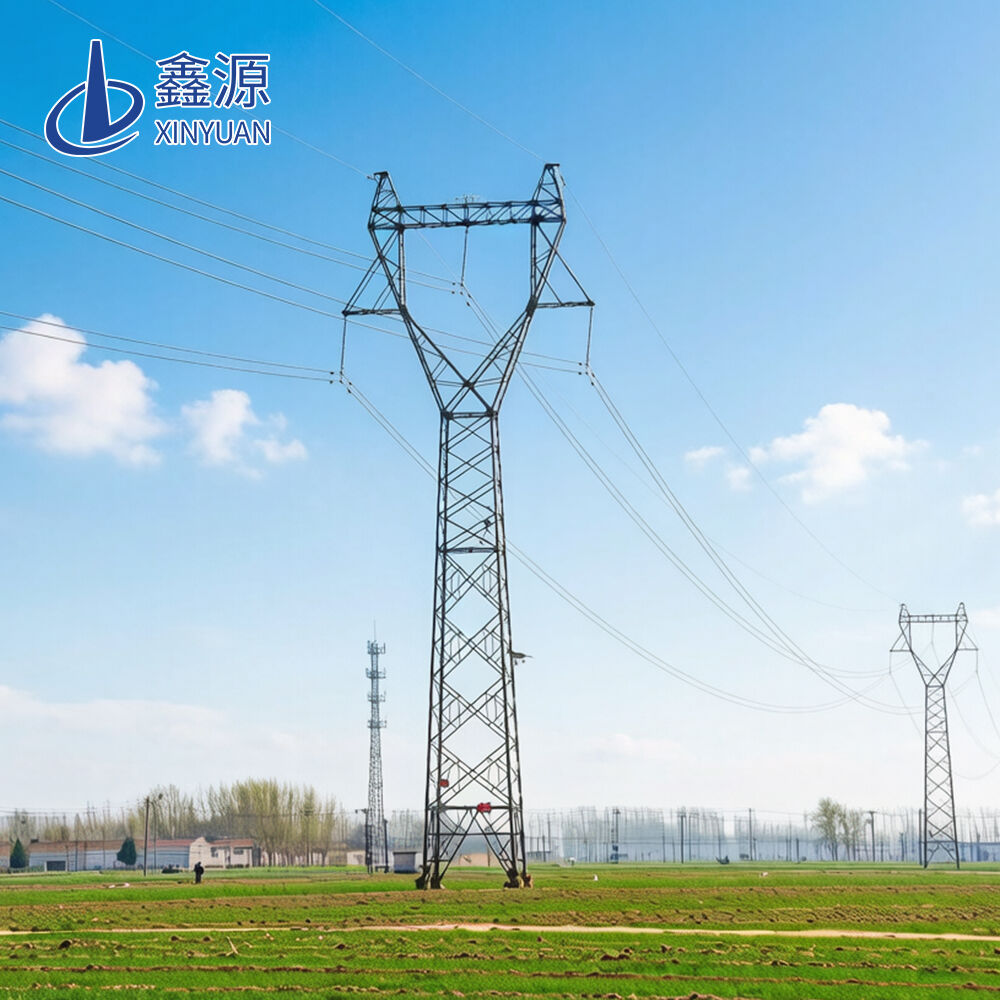
After raw material inspection, the next stage is cutting and blanking. This process involves cutting the steel plates, angle steels, and steel pipes into the required sizes and shapes according to the design drawings. In modern manufacturing workshops, numerical control (NC) cutting machines are widely used, including plasma cutting machines and flame cutting machines. These advanced equipment ensure high cutting precision, with an error of less than ±1mm, which is essential for the subsequent assembly process. Before cutting, the raw materials are cleaned to remove surface rust, oil stains, and other impurities, which helps improve the cutting quality and prevent corrosion. After cutting, each component is marked with a unique identification code, which includes information such as the component name, size, and batch number, facilitating traceability and assembly.
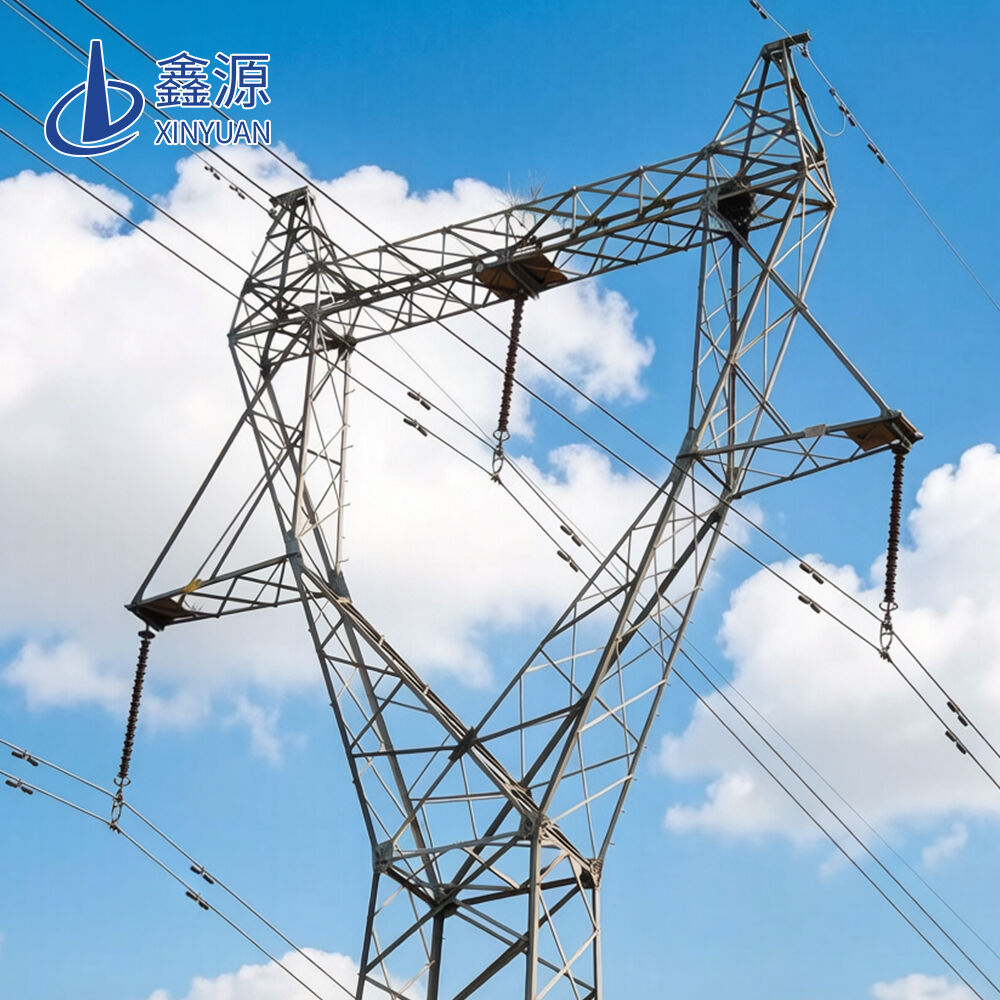
Following cutting and blanking, the components enter the drilling and punching stage. High voltage power transmission towers consist of numerous connected components, which need to be fixed together with bolts. Therefore, precise holes must be drilled or punched on the components to ensure the bolts can pass through smoothly and the connection is firm. This stage uses NC drilling machines and punching machines, which can drill multiple holes at one time with high precision and efficiency. The position, size, and spacing of the holes are strictly in accordance with the design drawings, and any deviation will affect the assembly accuracy. After drilling, the holes are deburred to remove burrs and sharp edges, preventing damage to the bolts and ensuring the safety of the assembly workers.
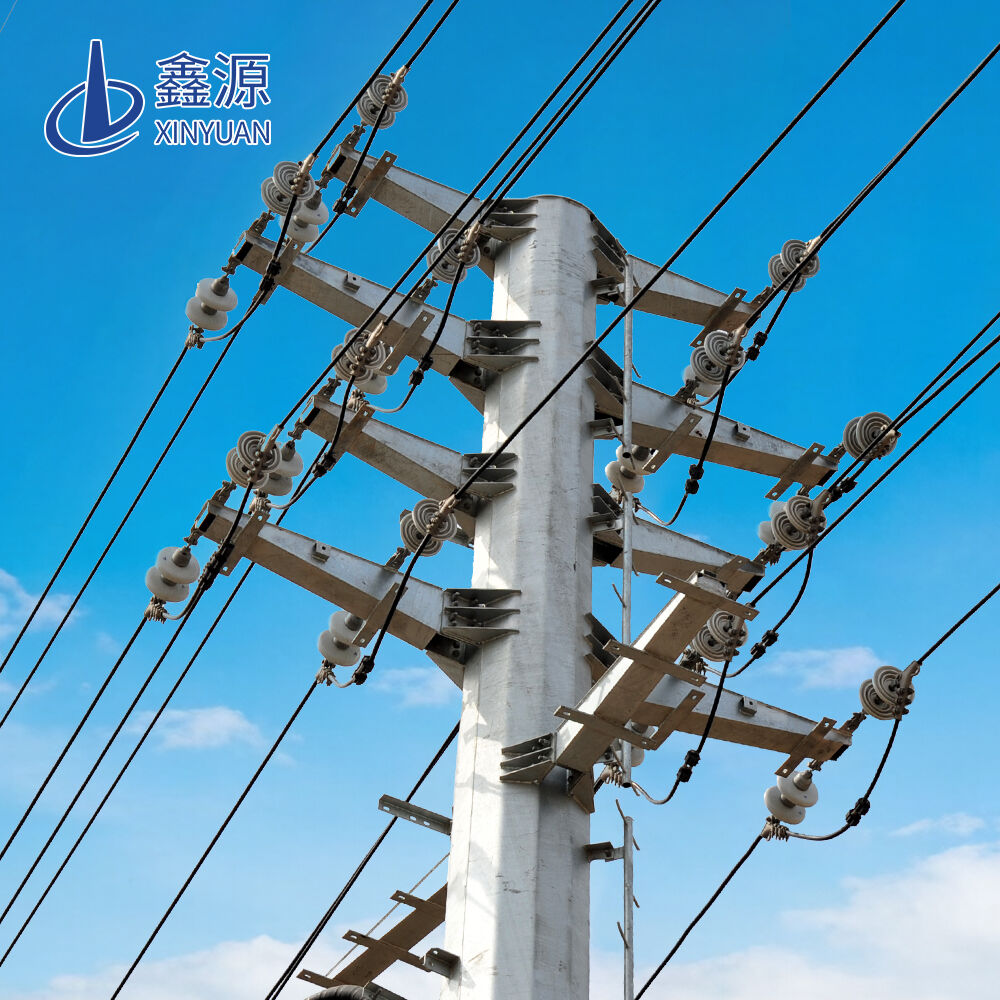
The fourth stage is bending and forming. Some components of the power transmission tower, such as the tower legs, cross arms, and connecting plates, need to be bent into specific shapes to meet the structural design requirements. This process is completed using NC bending machines, which can accurately control the bending angle and radius. Before bending, the components are preheated to a suitable temperature to improve their ductility and avoid cracking during bending. After bending, the components are cooled naturally to maintain their shape and mechanical properties. Each bent component is inspected to ensure it meets the design specifications, and unqualified components are reworked or discarded.
After the components are processed, they enter the assembly stage. Assembly is a key link in ensuring the structural stability of the power transmission tower. The assembly process is carried out in accordance with the assembly drawings, and the components are connected in a certain order using bolts. In modern workshops, assembly jigs are used to fix the components, ensuring the assembly accuracy and efficiency. During assembly, workers check the position and connection of each component to ensure there is no looseness or deviation. For large-scale power transmission towers, the assembly is usually carried out in sections, and each section is inspected before being transported to the construction site for overall installation. The assembly process also includes welding operations for some key components, such as the connection of the tower body and cross arms. Welding is performed by professional welders using advanced welding equipment, and the welds are inspected using non-destructive testing methods, such as ultrasonic testing and X-ray testing, to ensure the weld quality meets the standards.
The next crucial stage is anti-corrosion treatment. High voltage power transmission towers are usually installed outdoors, exposed to wind, rain, humidity, and other harsh environments, so effective anti-corrosion treatment is essential to extend their service life. The most commonly used anti-corrosion method is hot-dip galvanizing. The process involves immersing the assembled components in a molten zinc bath at a temperature of 450-460℃ for a certain period of time, so that a uniform and dense zinc layer is formed on the surface of the steel components. The zinc layer can effectively isolate the steel from the air and water, preventing rust and corrosion. Before hot-dip galvanizing, the components are pickled to remove surface rust and oxide scales, then washed and dried to ensure the zinc layer adheres firmly. After galvanizing, the components are inspected for zinc layer thickness and uniformity, and any defects such as zinc missing or uneven zinc layer are repaired. In addition to hot-dip galvanizing, some special components may also be treated with spray painting or other anti-corrosion methods according to the actual needs.
After anti-corrosion treatment, the power transmission tower components enter the final inspection stage. This stage is a comprehensive inspection of the entire product to ensure it meets all design requirements and quality standards. Inspectors check the dimensions, shape, connection accuracy, weld quality, and anti-corrosion effect of each component. They also conduct load-bearing tests and structural stability tests on the assembled tower sections to ensure the tower can withstand the designed load, including wind load, ice load, and self-weight. Any unqualified products are reworked or scrapped, and only qualified products are allowed to leave the factory. After inspection, the qualified components are packaged and marked with relevant information, such as the product model, specifications, production date, and manufacturer, ready for transportation to the construction site.
The final step is packaging and transportation. Since power transmission tower components are usually large and heavy, they need to be properly packaged to prevent damage during transportation. The components are wrapped with waterproof cloth and fixed with steel straps to avoid collision and corrosion. For long-distance transportation, special transport vehicles are used, and the loading and unloading are carried out by cranes to ensure the safety of the components. During transportation, the components are placed stably to prevent tilting or falling. After arriving at the construction site, the components are unpacked and inspected again before being installed.
In summary, the manufacturing process of high voltage power transmission towers is a complex and rigorous process, involving raw material selection, cutting and blanking, drilling and punching, bending and forming, assembly, anti-corrosion treatment, final inspection, and packaging and transportation. Each step requires strict quality control and professional operation to ensure the tower’s safety, stability, and durability. With the continuous development of power grid construction, the manufacturing technology of high voltage power transmission towers is also constantly improving, providing a solid guarantee for the stable operation of the global power system.