
 EN
EN
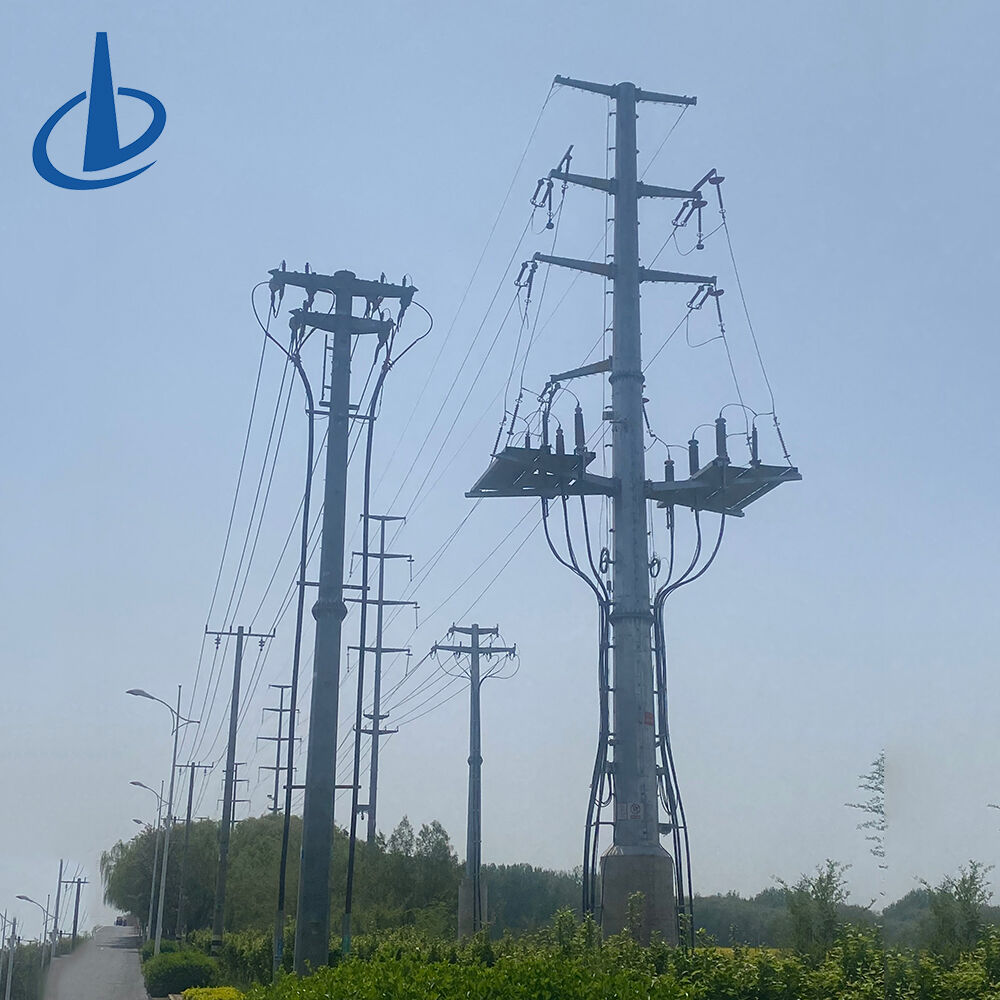
Hello everyone! Welcome to my channel. Today we are going to talk about a "big guy" that is around us but rarely understood in depth — the single-pipe tower. Whether it is a 5G base station in the city, power transmission facilities beside highways, or new energy power stations in remote areas, we can always see its tall and straight figure. Many friends may be curious: why can such a seemingly simple "iron pipe" withstand the huge load of high-voltage power transmission, and still stand firmly in harsh environments such as strong winds, heavy rains and even earthquakes? Today, we will disassemble this problem step by step, and reveal the secret of why single-pipe towers can withstand high pressure from multiple dimensions such as structure, materials and design. It is easy to understand throughout, even if you are not an engineering student, you can easily understand it~
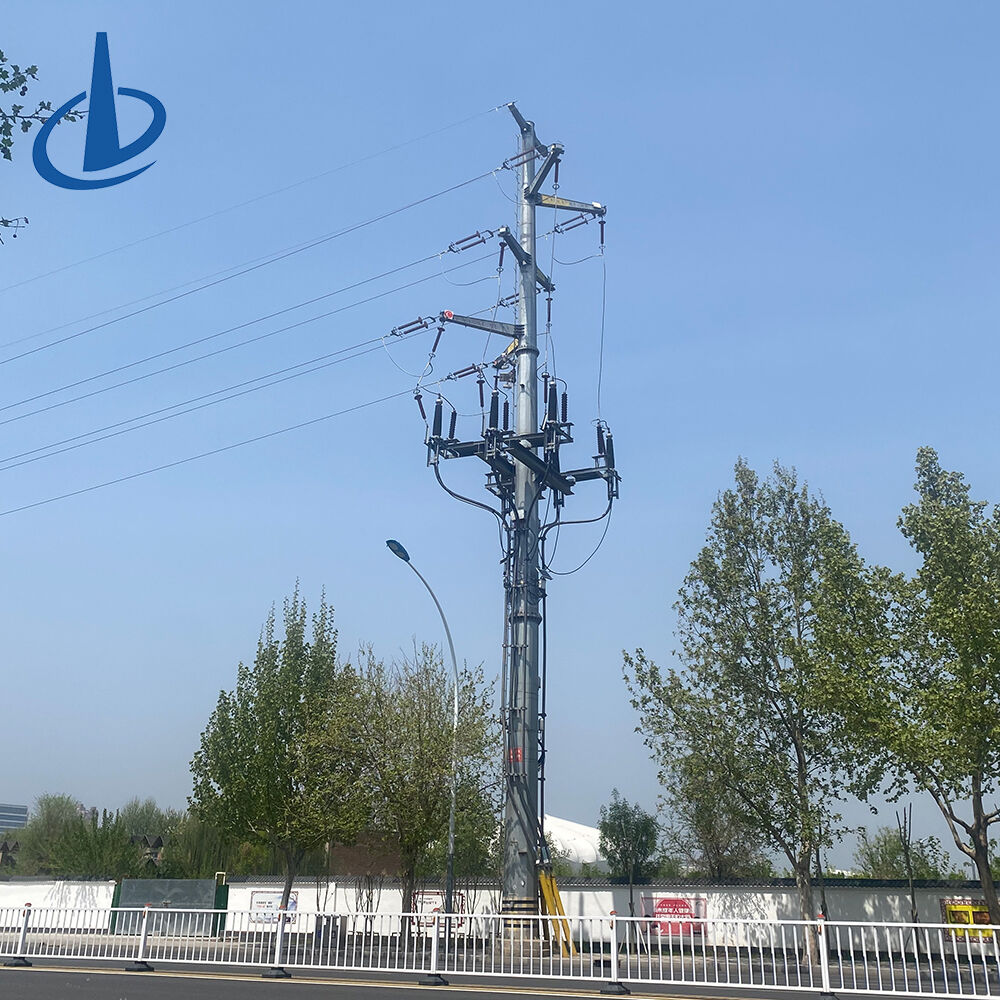
First of all, we need to clarify a concept: the "high pressure" that a single-pipe tower can bear refers not only to the electrical load brought by high-voltage power transmission lines, but also to the mechanical load generated during high-voltage power transmission — such as the weight of wires, wind load, ice and snow load, and the electric dynamic impact brought by high-voltage current. Many people mistakenly think that a single-pipe tower only bears "electrical pressure", but in fact, it has to resist the superposition of multiple forces. The reason why it can "withstand" lies in the triple guarantee of "scientific design + high-quality materials + precise construction", which are indispensable.
Starting with the most basic materials, a single-pipe tower can withstand high pressure only if it has a "strong body". Don't think it's just an ordinary steel pipe. In fact, its main materials are high-strength steel selected strictly, such as Q355 and Q420. The tensile strength, compressive strength and fatigue resistance of these steels are far higher than those of ordinary steels, which can easily cope with various mechanical stresses generated during high-voltage power transmission. For example, the yield strength of Q355 steel can reach more than 355MPa, which is equivalent to being able to bear more than 3.5 tons of pressure per square centimeter. What does this mean? It is equivalent to that 35 adults can stand on a steel bar as thick as a finger. Only such strength can lay a solid foundation for bearing high pressure.
More importantly, these steels will go through special anti-corrosion treatment, such as hot-dip galvanizing process. Most high-voltage power transmission scenarios are outdoors. Single-pipe towers are exposed to wind, sun and rain for a long time, especially in coastal areas and humid mountainous areas. Steel is easy to rust and corrode. Once corroded, the strength will drop sharply, and it will not be able to bear high-voltage loads. The hot-dip galvanizing treatment can form a dense zinc layer on the surface of the steel, like a "protective coat", isolating air and moisture, preventing steel corrosion, and extending the service life of the single-pipe tower to more than 30 years. Even in harsh environments, it can maintain stable strength and avoid structural failure caused by corrosion. In addition, in some special scenarios, such as Hainan Wenchang Launch Site and Antarctic Research Station, single-pipe towers made of carbon fiber reinforced epoxy resin matrix materials are also used, which weigh only 1/3 of traditional steel structures, and their fatigue resistance can reach 10^7 cycles of load without damage, which can cope with more extreme high pressure and environmental challenges.
With high-quality materials, scientific structural design is also needed, which is the "core code" for single-pipe towers to withstand high pressure. The biggest feature of a single-pipe tower is its "single main body". It seems simple, but in fact, it contains many design ingenuities. First of all, its overall structure adopts a conical design with "thin top and thick bottom". This design is not for beauty, but through precise mechanical calculation — during high-voltage power transmission, the weight of wires, wind load, etc. will generate huge bending moment. The closer to the tower base, the larger the bending moment and the more concentrated the force. The conical design can make the cross-section of the tower base larger, increase the stress area, thereby dispersing the load brought by high pressure, and avoiding fracture caused by excessive local stress; while the upper cross-section is smaller, which can not only reduce the overall weight, but also reduce wind resistance, reduce the impact of strong winds on the tower body, killing two birds with one stone.
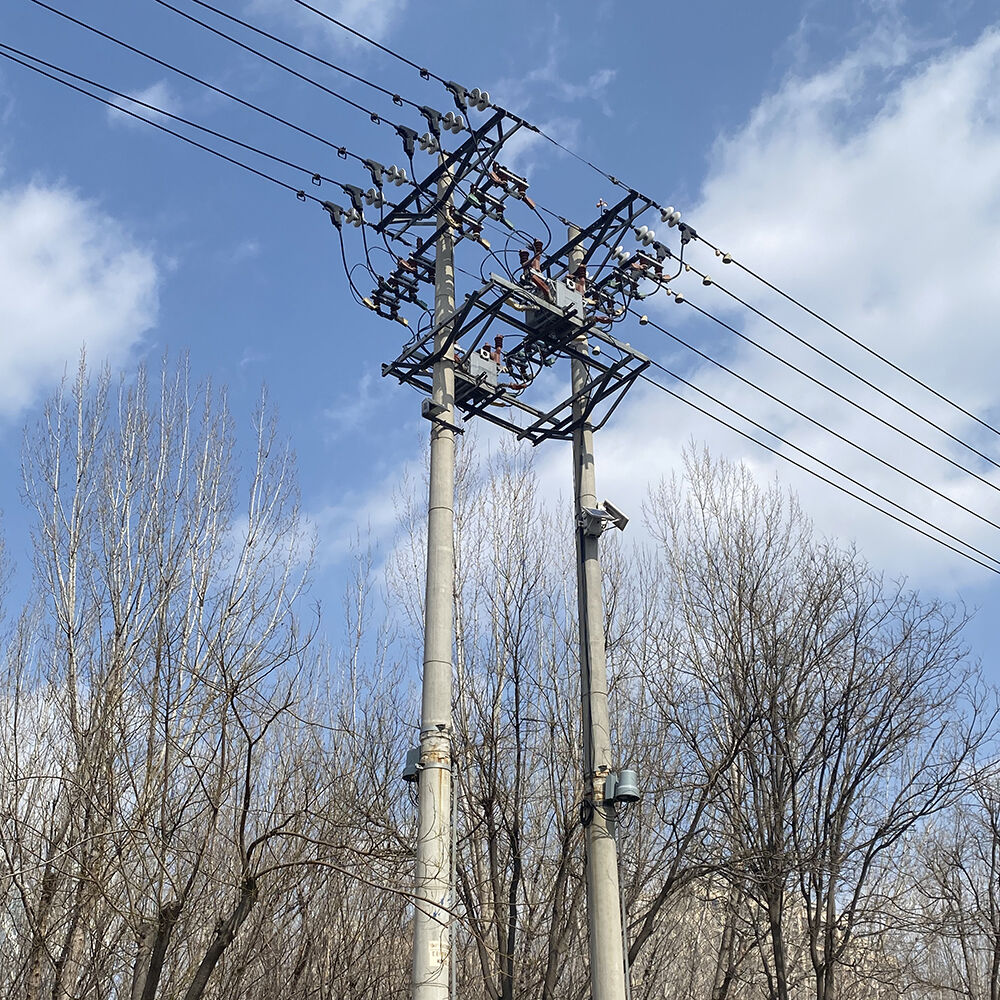
Secondly, the main body of the single-pipe tower is a hollow steel pipe structure, which has more advantages than a solid steel pipe. On the one hand, the hollow structure can greatly reduce the weight of the tower body while ensuring strength, and reduce the bearing pressure of the foundation. After all, the height of most single-pipe towers is 20-45 meters, and the maximum can reach tens of meters. Excessive weight will bring a huge burden to the foundation and affect the overall stability; on the other hand, the hollow steel pipe has stronger torsion and bending resistance. During high-voltage power transmission, the wires will generate transverse tension and torsion. The hollow structure can better disperse these forces and avoid the tower body being bent or twisted. Moreover, the main body of many single-pipe towers adopts multi-section splicing design. The diameter and thickness of each section will be accurately adjusted according to the stress situation. The splicing parts are connected by high-strength bolts to ensure that the strength of the splicing parts is not lower than that of the main body, avoiding "weak links", and making the entire tower body a complete stress unit to bear high-voltage loads together.
In addition to the main structure, the foundation design of the single-pipe tower is also crucial, which is equivalent to its "root". Only when the root is firmly rooted can it withstand high pressure. Many people may not notice that the underground part of the single-pipe tower is more complex than the above-ground part. Its foundation is divided into shallow foundation and deep foundation. The specific type adopted depends on the geological conditions, tower height and high-voltage load. For example, in plain areas with good geological conditions, shallow foundations are used to disperse the pressure transmitted by the tower body by expanding the bottom surface of the foundation to avoid foundation settlement; while in mountainous and hilly areas with complex geological conditions, deep foundations are used, such as pile foundations. Reinforced concrete piles are driven tens of meters underground and firmly fixed on the rock stratum. Even in the event of geological disasters such as earthquakes and landslides, it can remain stable, ensuring that the tower body will not topple over, thus continuously bearing the load of high-voltage power transmission.
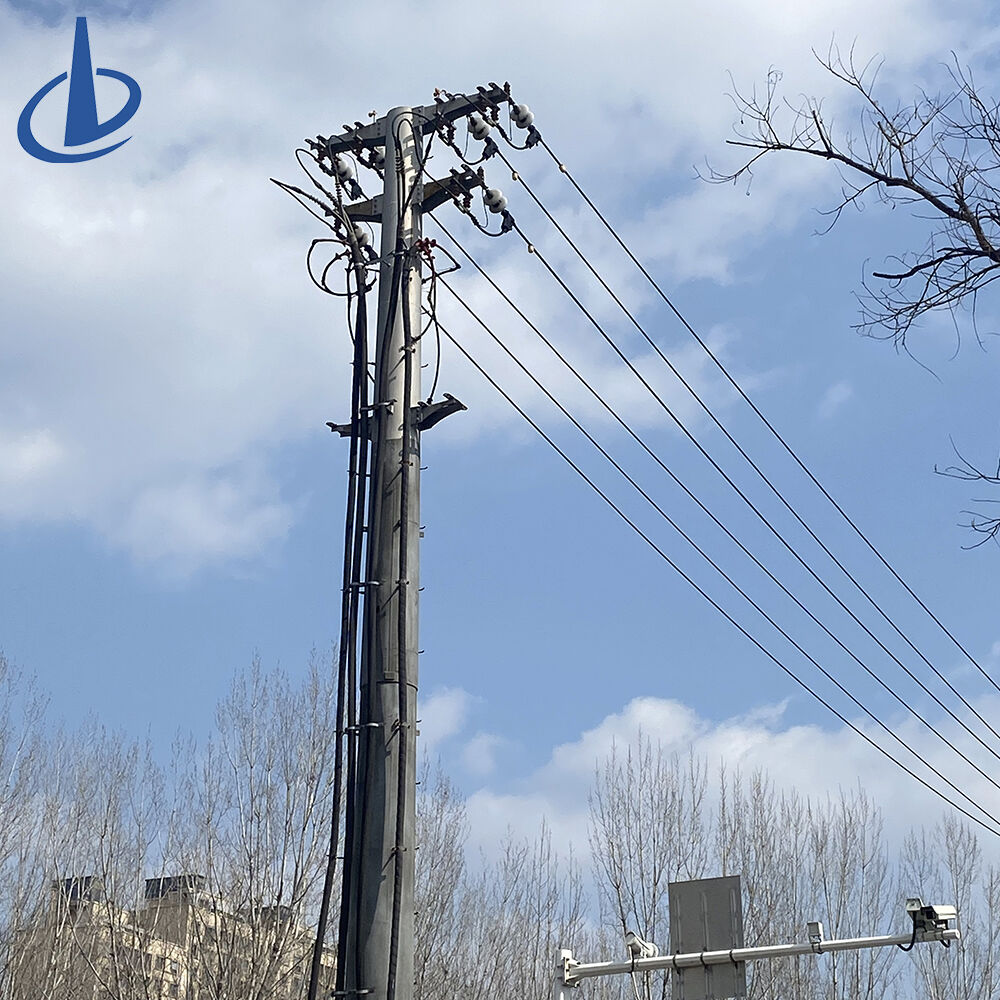
Here is a real example for you. State Grid widely uses single-pipe towers in the ±1100kV UHV project. The foundations of these single-pipe towers are strictly designed to withstand the test of design wind speed of 35m/s and seismic intensity of Ⅷ degrees, with a localization rate of 100%. In the construction of hydropower transmission channels in southwest provinces such as Yunnan and Sichuan, the utilization rate of combined single-pipe towers designed for complex terrain is 19 percentage points higher than that in plain areas, which fully reflects the importance of foundation design for bearing high pressure. Moreover, a special protection device will be installed at the junction of the foundation part and the main body part, such as two mirror-symmetrical safety plates made of materials with good energy dissipation capacity. When the external load exceeds the design value, the safety plates will buckle, offset part of the energy, protect the main structure from damage, and avoid the entire tower body being unable to bear high pressure due to local damage.
In addition, the stress design of the single-pipe tower will fully consider various external factors to "prepare for a rainy day". For example, wind load is one of the main external loads borne by single-pipe towers, especially in coastal areas where the wind speed can reach more than 42m/s. Strong winds will generate huge impact force on the tower body. Designers will accurately calculate the size of wind load according to the wind speed and direction in different regions, optimize the shape of the tower body, and reduce wind resistance — the cylindrical main structure has a very small wind resistance coefficient, which can effectively reduce the impact of strong winds. In addition, the windproof device on the top of the tower further improves the wind resistance, ensuring that the tower body can still stably bear high pressure in strong wind weather. There is also ice and snow load. In cold areas, ice and snow will adhere to the tower body and wires, increasing the weight of the tower body. Designers will calculate the accumulation thickness of ice and snow in advance, increase the bearing margin of the tower body, and avoid tower body damage due to excessive ice and snow load.
In addition to materials, structure and foundation, precise construction and later maintenance also provide guarantee for single-pipe towers to bear high pressure. During the construction process, each link has strict standards. For example, the cutting, welding and splicing of steel need to be operated by professional technicians to ensure that the strength of the welded parts meets the standard and the bolts at the splicing parts are fastened in place, so as to avoid potential safety hazards of the tower body due to construction errors. For example, the welds at the welding parts need to be strictly inspected to ensure that there are no defects such as air holes and cracks, otherwise the overall strength of the tower body will be affected, and it will not be able to bear high-voltage loads. Moreover, the installation of single-pipe towers will use professional hoisting equipment to ensure that the tower body is vertical and avoid inclination, because the inclined tower body will lead to uneven stress and excessive local stress, which will damage the tower body in the long run and affect the high-voltage bearing capacity.
Later maintenance is also equally important. Staff will regularly inspect the single-pipe tower, such as detecting the corrosion of steel, the tightness of bolts, the verticality of the tower body, and the settlement of the foundation. Once problems are found, they will be repaired and reinforced in time. For example, the intelligent single-pipe tower applied by Henan Pinggao Electric Group in converter station projects is equipped with stress monitoring sensors, which can real-time monitor the structural health status of the tower body. Once abnormal stress occurs, it can alarm in time to avoid being unable to bear high pressure due to structural damage. China Tower also realizes dynamic monitoring of 2.2 million tower facilities nationwide by building an AIoT intelligent management platform, shortening the equipment maintenance response time to 2.1 hours, ensuring that the single-pipe tower is always in good condition and continuously and stably bears high-voltage loads.
By now, I believe everyone has understood that it is not accidental that a single-pipe tower can withstand high pressure, nor is it because it is "thick and hard enough", but the scientific cooperation of multiple links such as materials, structure, foundation, construction and maintenance. Each link is accurately calculated and strictly controlled, so that this seemingly simple "iron pipe" can become a "stabilizing needle" for high-voltage power transmission and communication transmission.
In fact, the application scope of single-pipe towers is becoming wider and wider. They not only play an important role in the field of high-voltage power transmission, but also are widely used in 5G base stations, smart city construction, new energy power stations and other fields. By 2023, the market scale of single-pipe towers in China has exceeded 18 billion yuan, of which the communication field accounts for 65% and the power field accounts for more than 30%, with the penetration rate in ±1100kV UHV projects increasing to 34%. With the advancement of China's new infrastructure construction, the technology of single-pipe towers is also constantly upgrading. For example, the emergence of composite material single-pipe towers and intelligent single-pipe towers not only makes their high-voltage bearing capacity stronger, but also more environmentally friendly, energy-saving and intelligent.
Finally, to summarize, the reason why a single-pipe tower can withstand high pressure lies in four core points: first, high-quality high-strength steel provides a solid strength foundation; second, the scientific conical hollow structure optimizes stress and disperses loads; third, the stable foundation design ensures that the tower body is firmly rooted; fourth, precise construction and later maintenance ensure the long-term stability of the tower body. It is the perfect combination of these four points that enables the single-pipe tower to stably bear high pressure in various complex environments and provide reliable support for our power transmission and communication guarantee.
Well, today's vlog is here. I believe everyone has a clear understanding of why single-pipe towers can withstand high pressure. If you have other questions about single-pipe towers, or want to know about other infrastructure knowledge, please leave a message in the comment area, and we will see you next time!