
 EN
EN
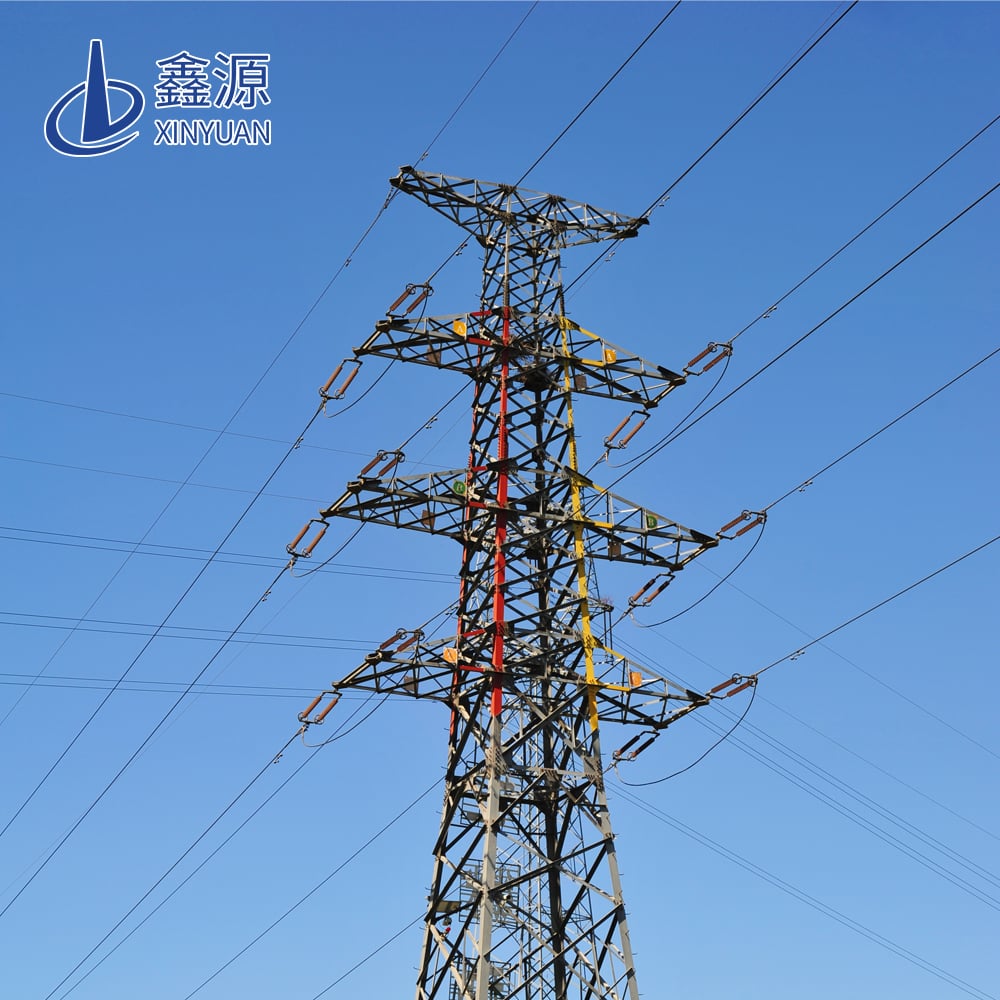
Picture a power grid as a circulatory system, and the transmission tower as the skeleton that holds its arteries aloft. After electricity is stepped up at a power plant, it travels through overhead lines to load centers hundreds or even thousands of kilometers away. Along the route, a tower is needed at regular intervals to keep conductors suspended in the air. A tower is far more than a steel post—it is a precisely calculated support system that determines how high the conductors sit, how far the phases are separated, and whether the line stays stable through wind, ice storms, and seismic events.
What a transmission tower actually does
An overhead line is made up of conductors, ground wires, insulators, and support structures. The tower carries three responsibilities. First, support: it holds conductors at the designed height, using air as the insulation medium between phases and between conductors and ground. Second, load resistance: it bears the dead weight and tension of conductors, wind loads, and—in cold regions—ice loads. Third, routing: different tower types guide the line through planned corridors, whether running straight, turning, crossing obstacles, or terminating at a substation. The taller the tower and the longer the span, the more demanding the structural requirements become.
Tower types: function, circuits, and form
By function, towers fall into suspension, tension, angle, and terminal categories. Suspension towers carry predominantly vertical loads along straight sections; tension and angle towers resist the longitudinal pull of conductors and are placed where the line turns, crosses, or divides. By circuit count, towers may be single-circuit, double-circuit, or multi-circuit, with several circuits on one structure. By shape, common forms include cup-type, cat-head, barrel, and dry-type designs, each matching different electrical arrangements and loading characteristics.
Structurally, the lattice tower—a truss of equal-leg angle steel joined by bolts—dominates long-distance lines because it uses material efficiently and relies on standardized sections. Where land is scarce, such as urban corridors, compact steel poles and monopole tubular towers are more common.
Why steel—and why hot-dip galvanizing matters
Steel is the material of choice because its strength is dependable, its sections are standardized, and it suits both factory production and rapid site assembly. Chinese transmission towers commonly use grades Q235, Q355, Q420, and Q460—the numbers correspond to yield strengths from roughly 235 to 460 MPa. Grades are selected from load calculations, with higher-strength steel applied at heavily loaded locations to keep tower weight under control.
What determines a tower's real service life is corrosion protection. Members are typically hot-dip galvanized as complete assemblies in accordance with standards such as ISO 1461, GB/T 13912, or ASTM A123. Average coating thickness is graded by member thickness, ranging from about 45 to 85 µm. The zinc layer isolates steel from moisture and oxygen, and where the coating is scratched, it continues to protect the steel through sacrificial action. Towers designed and maintained to code are commonly specified for design lives of 40–50 years—which is why galvanizing quality matters as much as steel grade.
From drawing to standing tower: a tower's journey
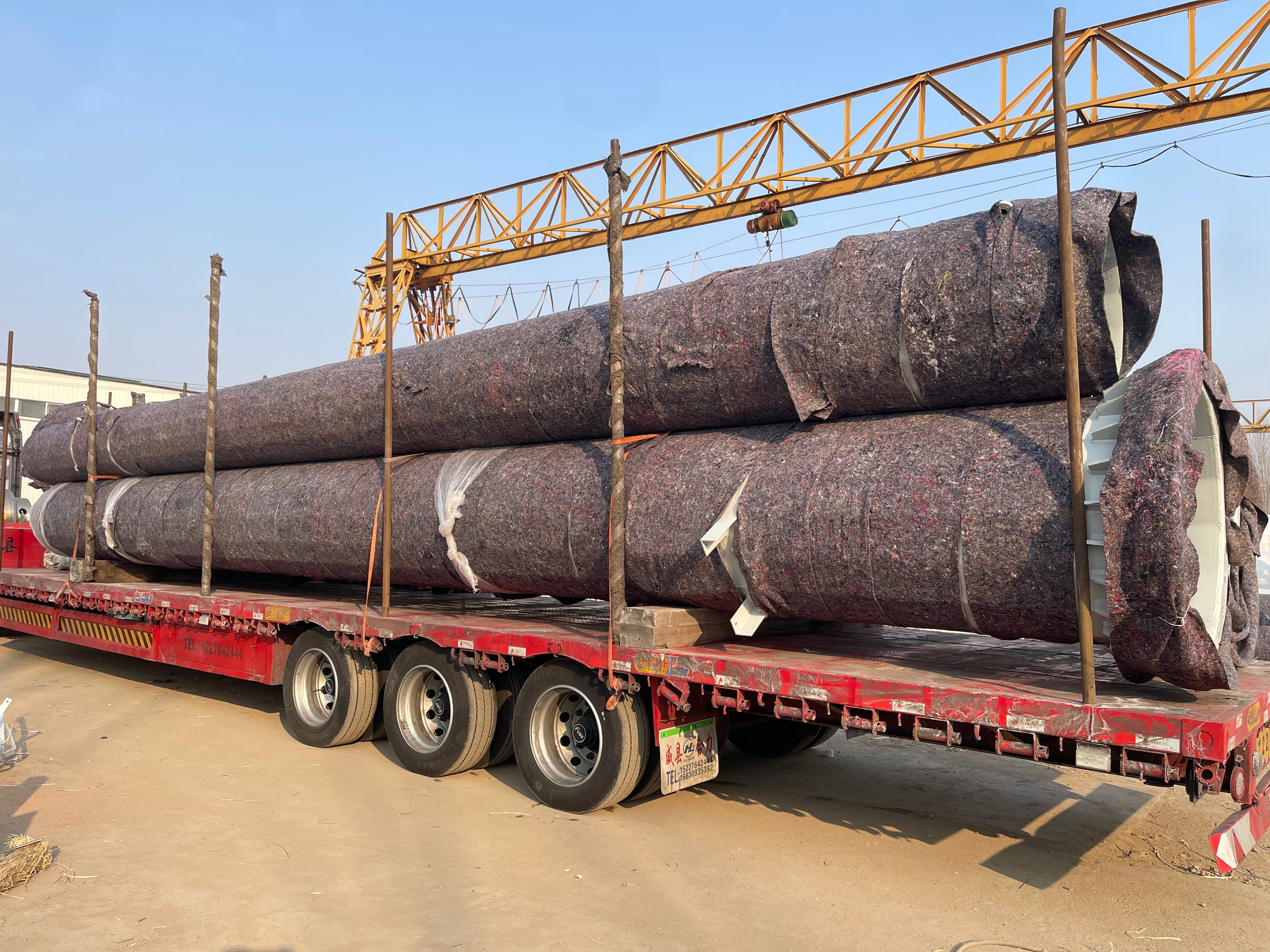
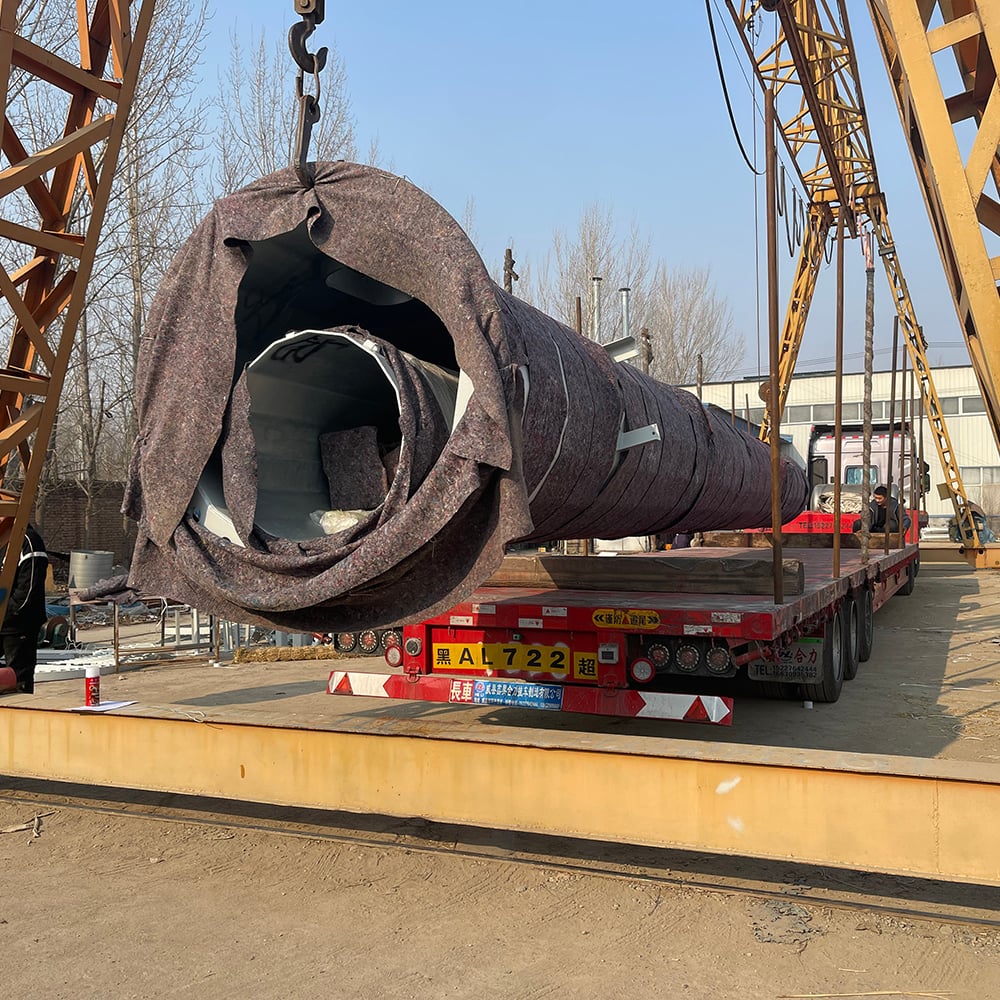
A tower's life begins with design. The owner provides voltage class, circuit arrangement, meteorological conditions, and route data; the designer then calculates wind, ice, conductor tension, and broken-conductor cases, selects the tower type, and arranges the members. Manufacturing follows: angle sections are cut, punched, and bent; a trial assembly verifies all geometry in the factory; the tower is then dismantled and passed through the hot-dip galvanizing line, where coating thickness and appearance are checked piece by piece. Finally, the tower ships as knocked-down parts and is erected on site with bolted connections.
Most towers also carry an OPGW—an optical ground wire that performs two jobs at once: lightning shielding and power-system communication. This is the channel modern grid dispatch and protection depend on. The tower body is anchored to a concrete foundation through anchor bolts, with foundation type selected according to soil conditions and terrain.
Advice for buyers and engineers
Reading a tower correctly comes down to asking specific questions. Which standard system applies—IEC, GB, ASTM? What wind and ice values drive the design? Which steel grades are used for the main members, and what share is high-strength steel? What galvanizing class is specified? Can the factory provide load calculation reports and third-party test certificates? A reliable tower is never the achievement of a single piece of steel; it is the accumulated result of design, material selection, galvanizing, and assembly—each link in the chain deserving the same attention during the selection stage.