
 EN
EN
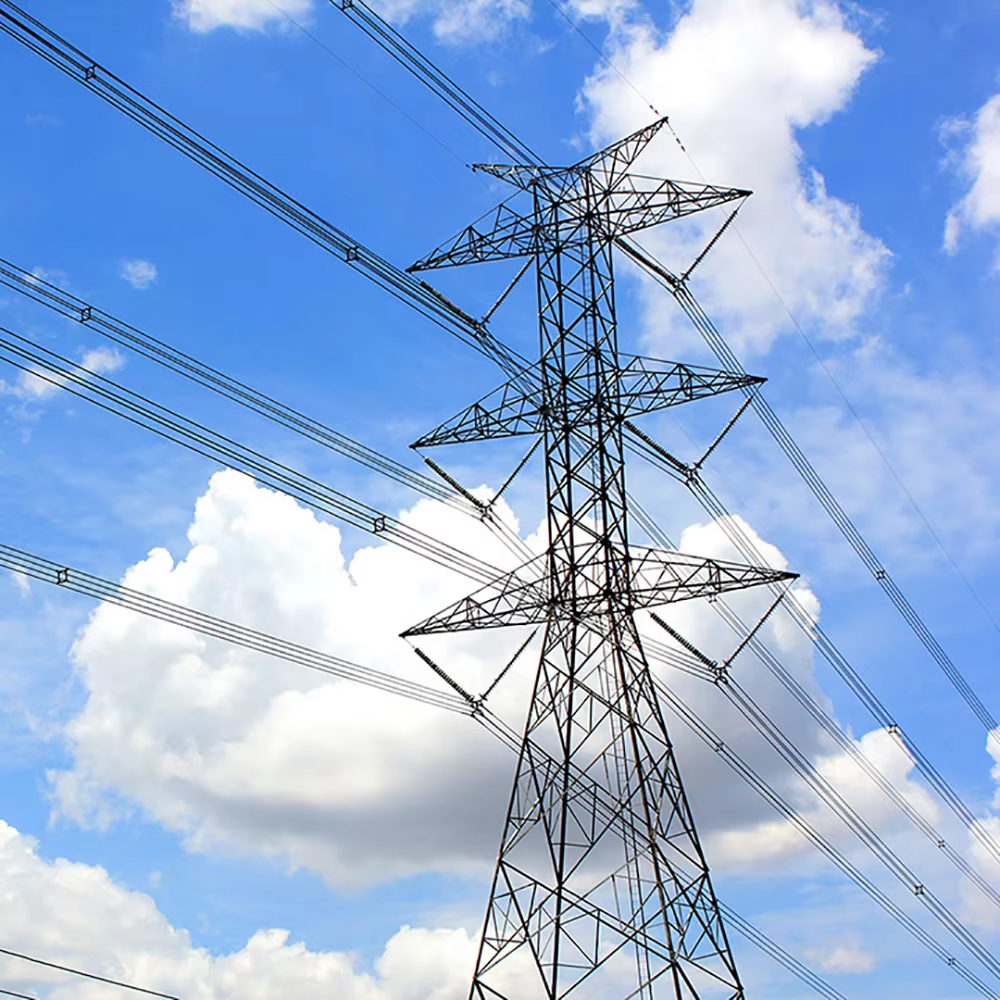
Many people cannot tell the difference between conventional high-voltage (HV) and ultra-high-voltage (UHV) transmission towers. In fact, we can easily distinguish them by their tower height and structural design. Today we will clarify their core differences in a simple way.
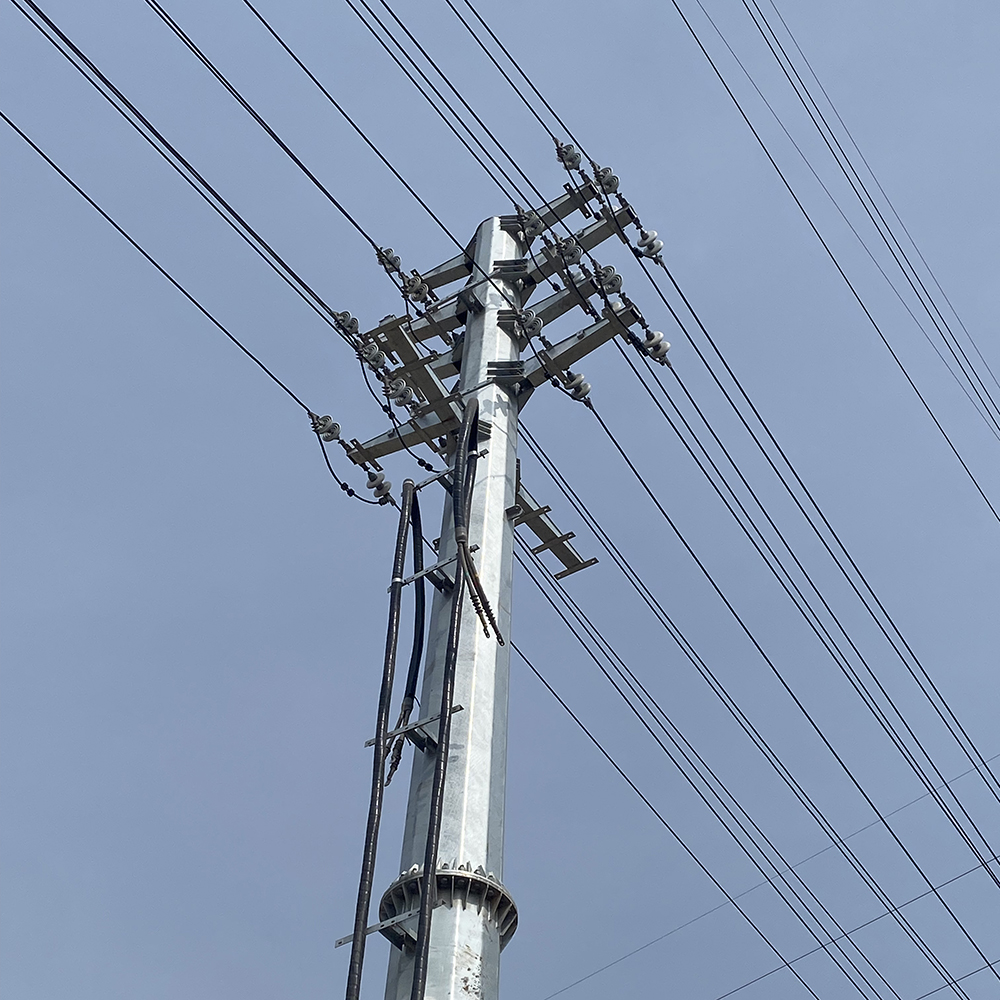
First of all, let’s talk about tower height. Conventional HV towers usually refer to 110kV, 220kV and 330kV power transmission facilities. Their height is generally between 10 to 40 meters. With a compact and lightweight structure, these towers are mainly used for short-distance and regional power supply, covering urban and ordinary industrial daily electricity demands.
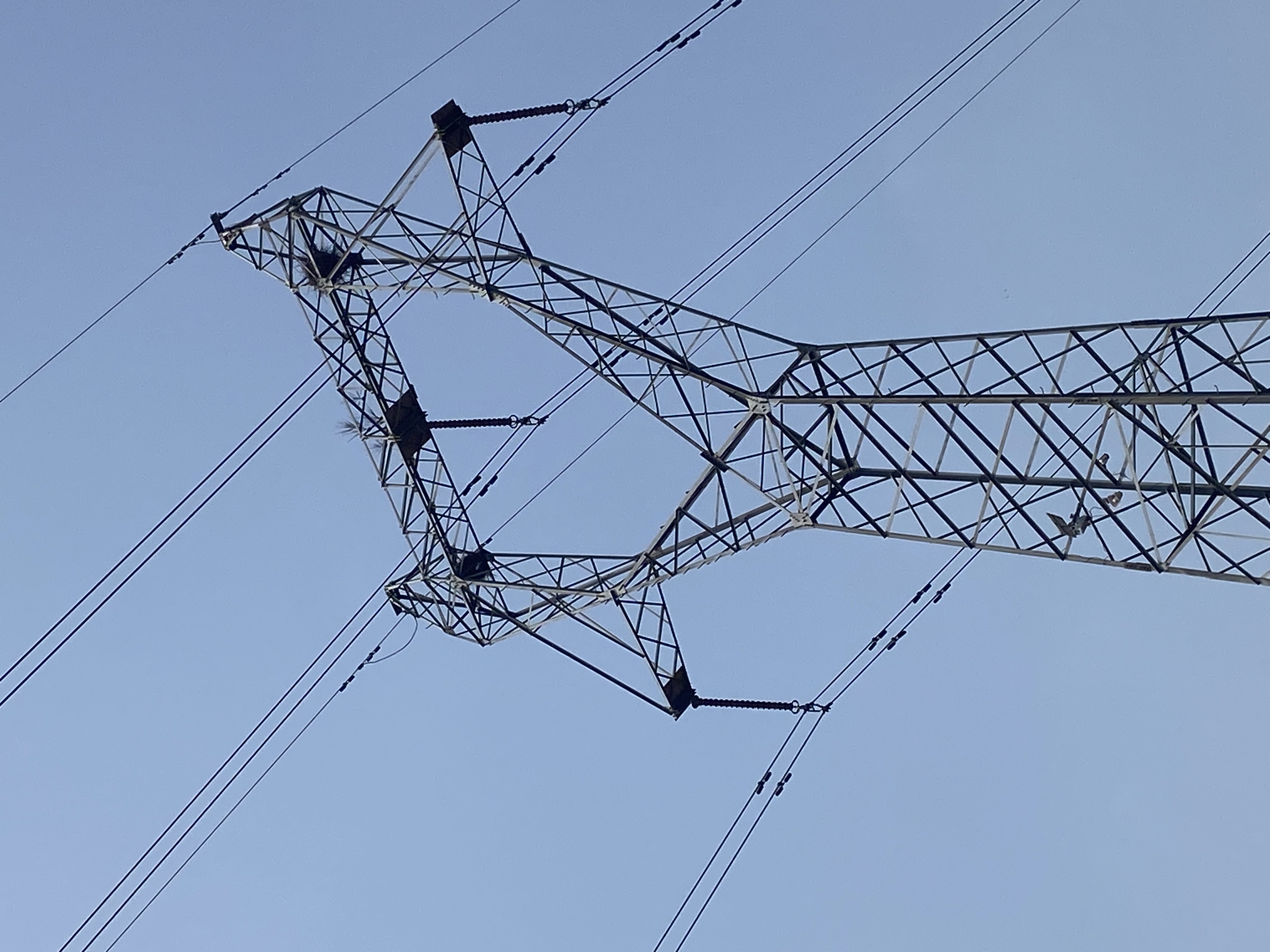
In contrast, UHV towers above 800kV DC and 1000kV AC belong to high-standard power infrastructure. A single-circuit UHV tower is 50 to 60 meters high, and double-circuit towers can reach 80 to 100 meters, equivalent to a 30-story building. The extra height provides sufficient safe clearance to the ground, effectively avoiding corona discharge, electromagnetic interference and other risks caused by ultra-high voltage operation.
Secondly, they have huge differences in structure and materials. Traditional HV towers adopt common angle steel with simple cat-head or goblet-shaped structures. They feature light weight, small foundation span and low load bearing, which is economical and easy for processing and installation to meet basic regional power transmission needs.
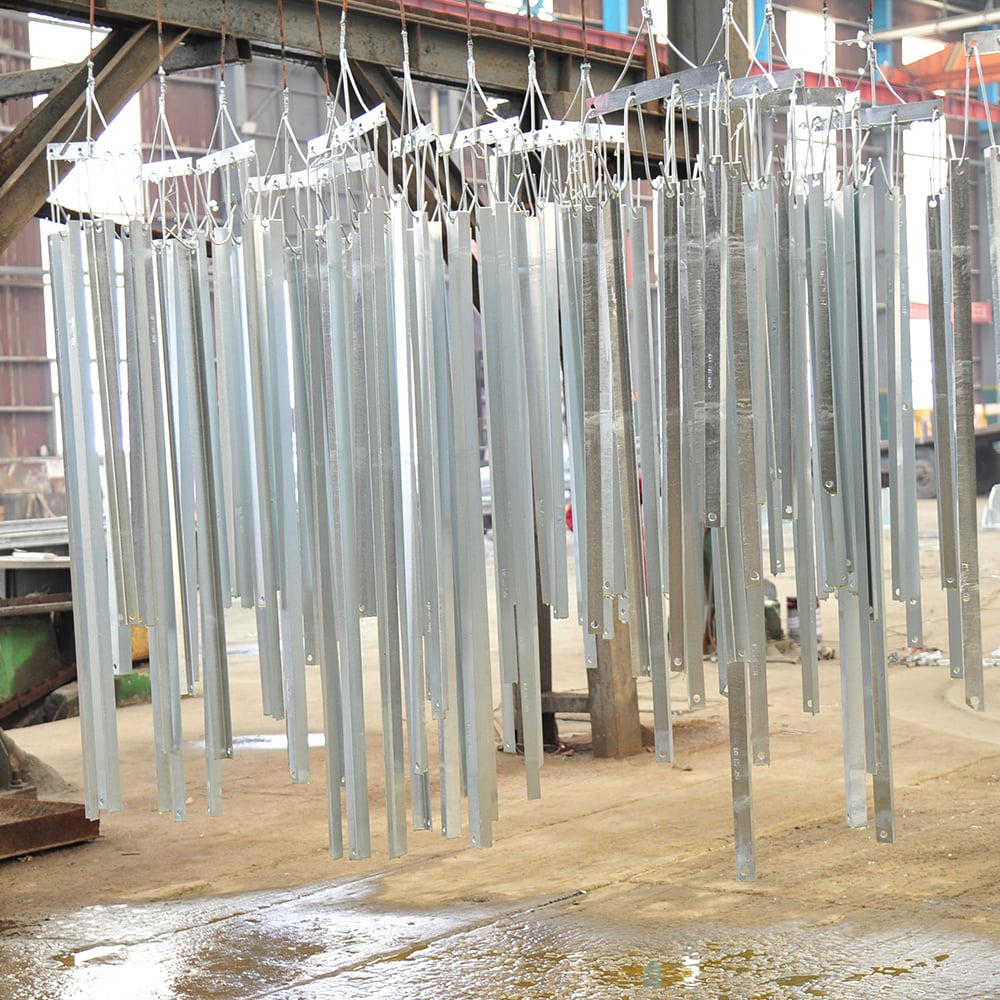
UHV towers adopt high-strength alloy steel and pipe composite structures with rigid portal or V-shaped designs. With a foundation span of over 15 meters and a self-weight of hundreds of tons, they have excellent wind resistance and seismic performance. Equipped with super-long insulator strings and multi-split wire structures (up to 16 splits), UHV towers greatly reduce power transmission loss and electromagnetic interference, supporting long-distance and large-capacity power delivery.
In terms of application scenarios, conventional HV towers focus on short-distance urban and regional power supply with low cost and convenient construction. UHV towers are designed for cross-regional long-distance power transmission, adapting to complex working conditions such as strong wind and ice coating.
To sum up, short and compact towers are conventional HV facilities for daily power supply, while tall, heavy and structurally sophisticated towers are UHV facilities for long-distance energy transmission. Their differences in height and structure reflect the gap in power transmission capacity, safety standards and engineering positioning.