
 EN
EN

When a buyer asks for pricing, the first number that comes back is usually a rate per tonne or a price per tower. That figure is easy to compare—and it covers only part of what a project actually costs. From site selection to commissioning, spending spreads across design, civil works, logistics, installation, power, and long-term operation and maintenance. A tower with a lower unit price does not automatically produce a lower project outlay. Understanding what drives each cost element is the basis for a rational decision.
1. Structure cost: three variables behind the unit price
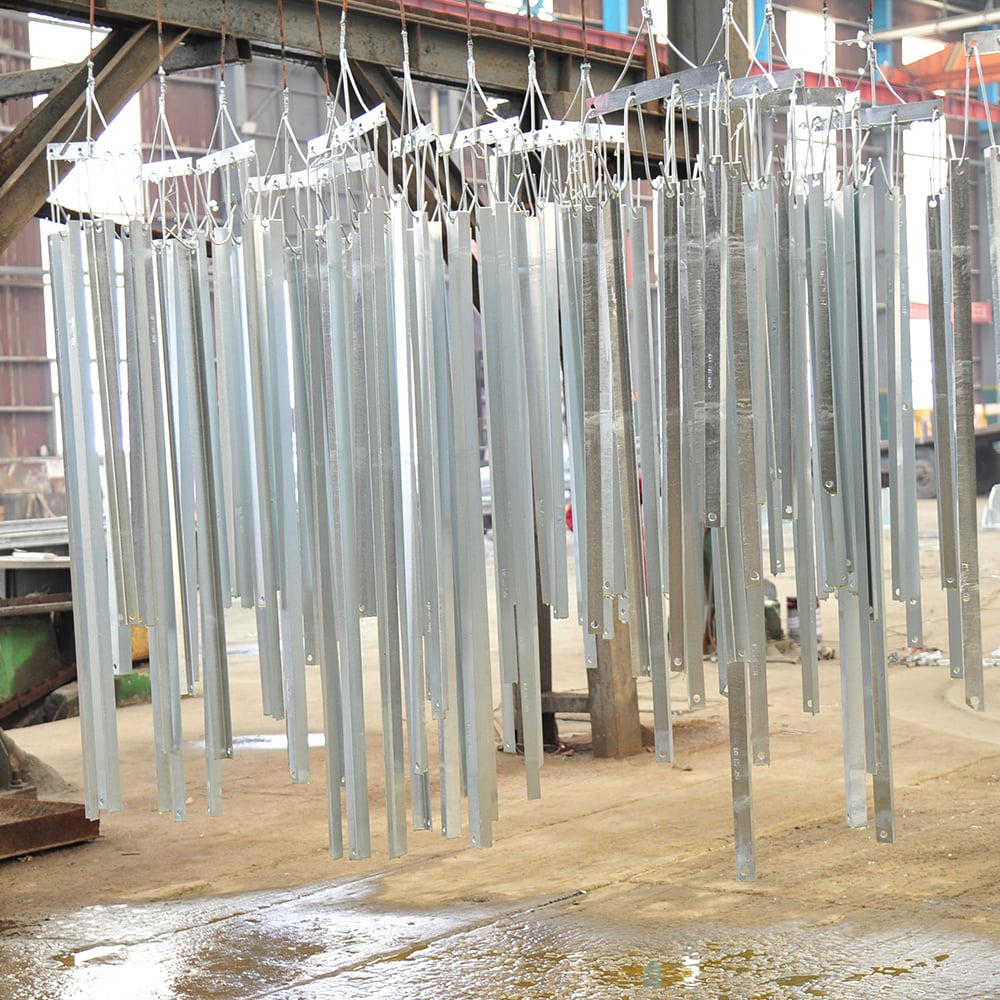
Tower pricing is set by steel tonnage, steel grade, and coating class. Higher design wind speed, ice loading, antenna load, and safety factors all increase the steel required. Q235, Q355, Q420, and Q460 have yield strengths of roughly 235 to 460 MPa; higher grades cost more per tonne but allow smaller sections and lower total weight. Under ISO 1461, average zinc coating thickness is graded by member thickness from about 45 to 85 µm, and telecom and power projects frequently specify more. Two towers of identical height and shape can therefore differ noticeably in structural cost.
2. Design and pre-construction: the starting spend
Design is more than a tower drawing. Geotechnical investigation determines the foundation type; structural calculation fixes member and connection sizes; shop drawing development serves fabrication and site erection. In most markets, planning approval, land or rooftop leasing, environmental review, and third-party design verification are also required. Approval timelines in urban areas can exceed production lead time, and the financing and lease costs incurred during that period belong in the budget. The more customized the tower, the greater the upfront effort.
3. Foundation and civil works: driven by tower weight and soil conditions
Tower weight and leg reactions set footing dimensions and the volume of concrete and reinforcement required. Foundation type may be an isolated spread footing, a mat, piles, or rock anchors, depending on the geotechnical report and site conditions. Foundations are normally built by local contractors and sit outside the tower factory's quotation—yet they often represent a substantial share of project spending. Site clearing, temporary access roads, drainage, and anchor bolt setting add further cost. On remote mountain sites, the access road alone can rival the tower itself in cost.
4. Logistics and installation: the labour bill set by piece count
Towers ship as knocked-down parts. Transport cost is shaped by packaging method, loading efficiency, port charges, destination customs clearance, and inland haulage. Delivering to many dispersed sites costs more per tonne than one bulk shipment. Installation cost depends mainly on two things: the number of members and connections, and the conditions on site. More members mean more bolted assembly hours; steep terrain, urban roads, and constrained sites make lifting more complex and may involve traffic management and working-at-height permits. Whether the supplier dispatches technicians to guide installation, and who covers travel and insurance, should be written into the contract.
5. Electrical and ancillary scope: spending beyond the structure
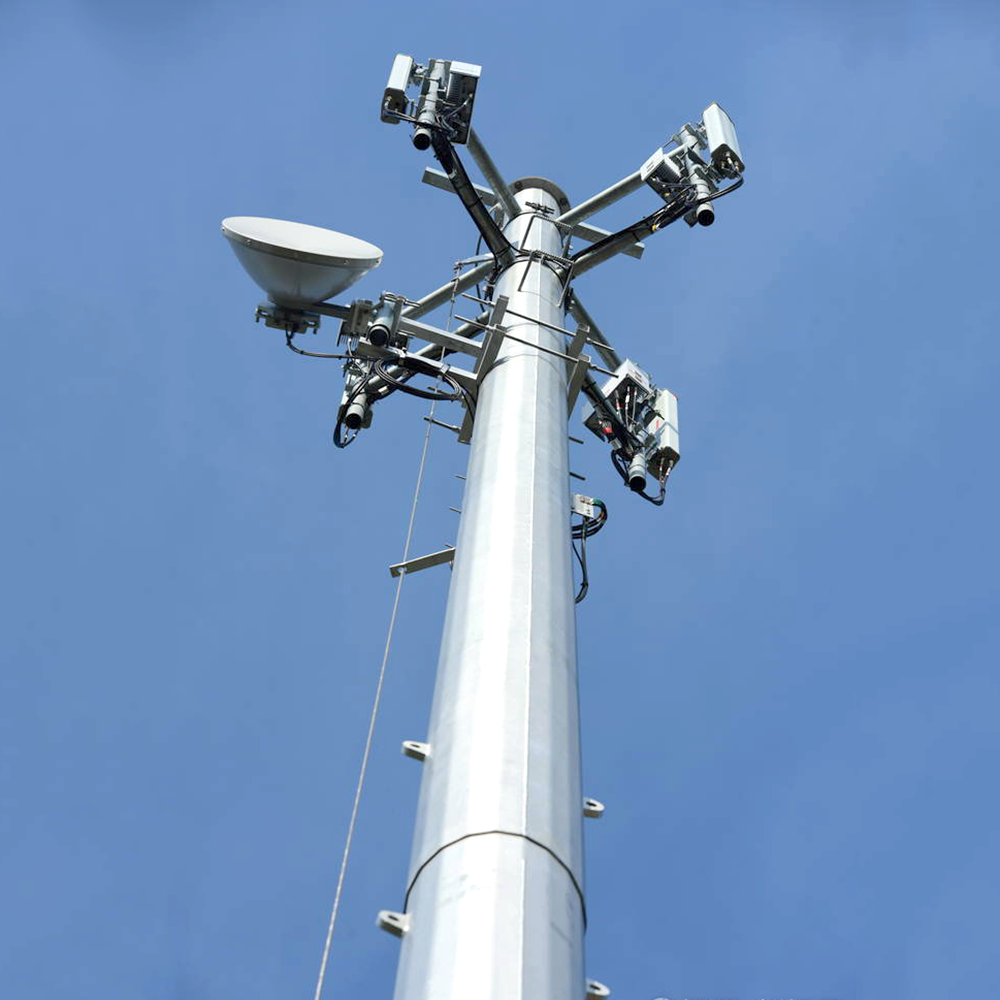
The tower is only a platform. Antennas, radio units, feeders, fiber, earthing and lightning protection, and aviation warning lights form a separate cost block that, on some projects, matches or exceeds the tower itself. Power supply is equally decisive: a grid connection involves a transformer, metering, and cabling, while remote or island sites often rely on off-grid solar-plus-storage with backup generation. 5G sites draw more power than earlier generations, so battery capacity and backup design directly affect both capital and operating cost.
6. Operation and maintenance: the long-term bill
Against a design life commonly set at 40–50 years, inspection, coating repair, bolt re-tightening, guy tension adjustment, and spare parts form a continuing expense. Better corrosion protection means longer inspection intervals and less frequent touch-up—and therefore lower cost in this category. Once lease, power, backhaul, and maintenance are counted annually, whole-life cost has a structure far more complex than a tower price.
7. Commercial terms and risk: the under-estimated items
Payment conditions affect financing cost: deposit ratio, letter of credit charges, and credit terms all translate into real spending. Steel price movements may trigger escalation clauses, and currency shifts change settlement amounts. Delay penalties, idle labour, and lease losses, plus contingency for design changes and scope growth, should be budgeted rather than absorbed as surprises.
Closing
To see total cost clearly, price every supplier against the same design conditions and the same scope boundary, then itemize structure, design, foundation, logistics, installation, equipment, power, O&M, and financing into a per-site cost model. Judge on whole-life cost rather than unit price alone. The objective is not to drive the tower quotation down; it is to keep total spending per site within a sensible range—and that requires the buyer and the structural engineering team to work together from the start of the project.