
 EN
EN
I. More Than Just Steel on the Horizon
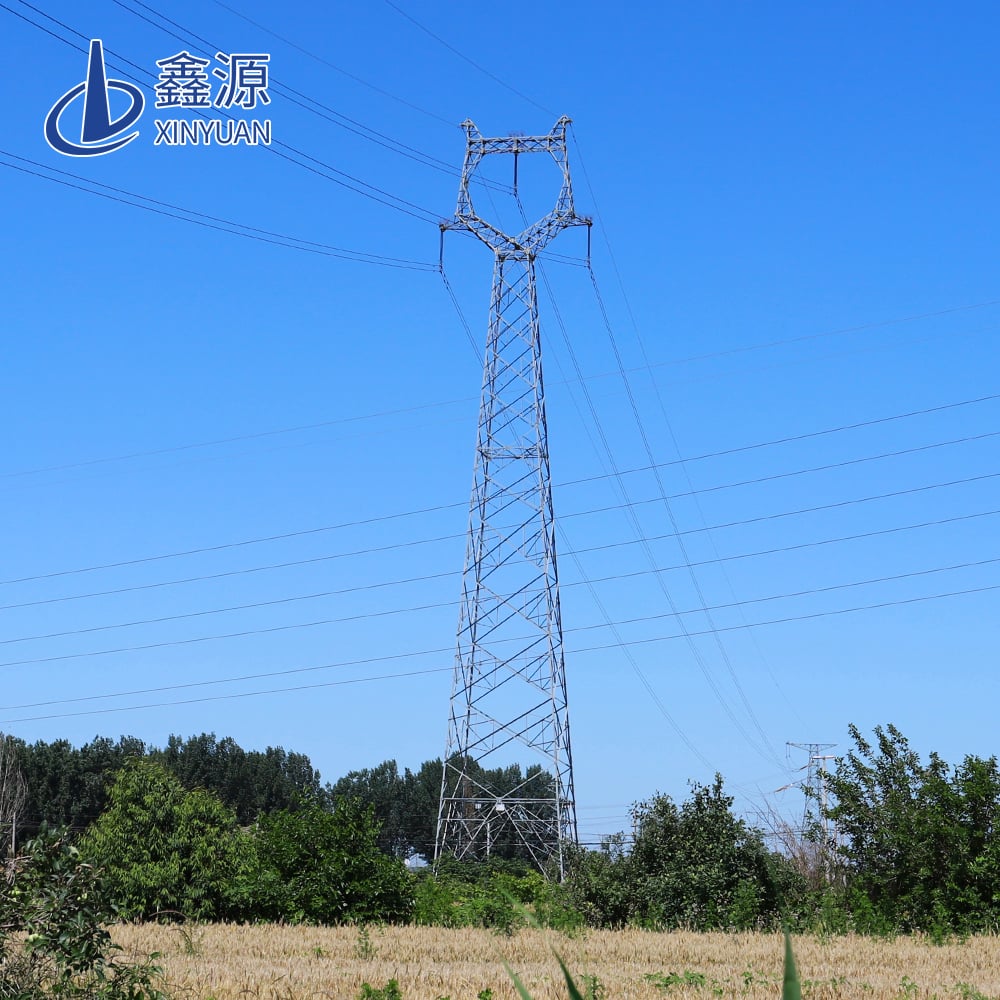
As nations accelerate grid modernization and renewable energy integration, transmission towers — the physical backbone of overhead power lines — face unprecedented technical scrutiny. From high-voltage trunk lines to rural distribution extensions, each tower serves under specific climatic and geographic conditions for decades. Every decision in material selection, corrosion protection, and structural design directly impacts regional power reliability and long-term operational expenditure.
II. Hot-Dip Galvanizing: Corrosion Protection Validated by Time
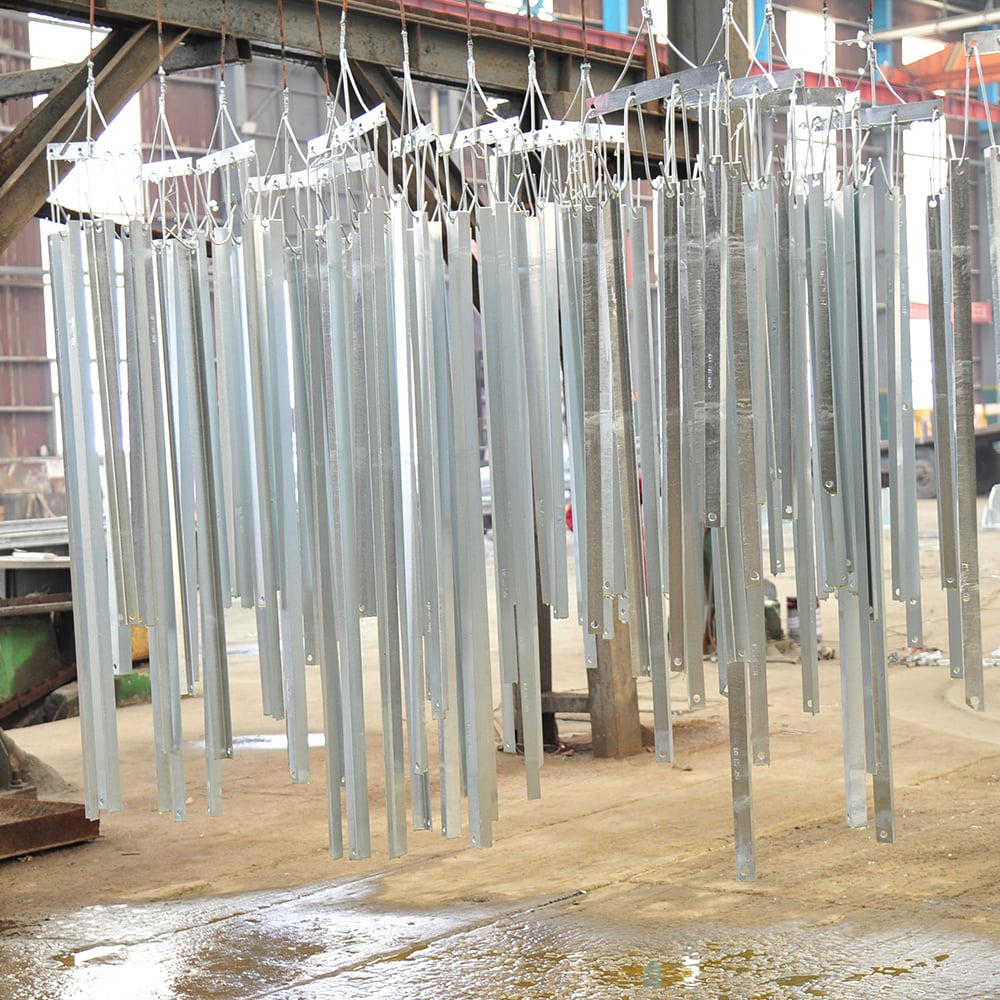
Corrosion remains the primary threat to outdoor steel structures. In coastal high-salinity zones, industrial acid-rain belts, or high-humidity tropical regions, conventional coatings often blister and peel within 3-5 years. The industry-wide answer to this persistent challenge converges on one solution: hot-dip galvanizing (HDG).
The zinc-iron alloy layers formed through HDG deliver a triple protection mechanism:
- Barrier protection: Dense zinc layers physically isolate the steel substrate from corrosive media
- Cathodic protection: Zinc corrodes preferentially in the electrochemical series, providing sacrificial anode protection to the steel
- Self-healing properties: When the coating sustains minor scratches, zinc corrosion products naturally fill the damaged area
When executed per ASTM A123 / ISO 1461 standards, galvanized coatings can achieve a maintenance-free service life exceeding 50 years in moderate-corrosion environments. This figure stems from nearly a century of field-tracking studies across multiple continents, not marketing extrapolation. For project owners and EPC contractors, it translates to near-zero corrosion-related remedial expenditure over the asset's lifecycle.
III. Where Standardization Meets Site-Specific Engineering
In international projects, compliance with standards is the entry ticket; scenario-specific adaptation beyond the standards is where value is created.
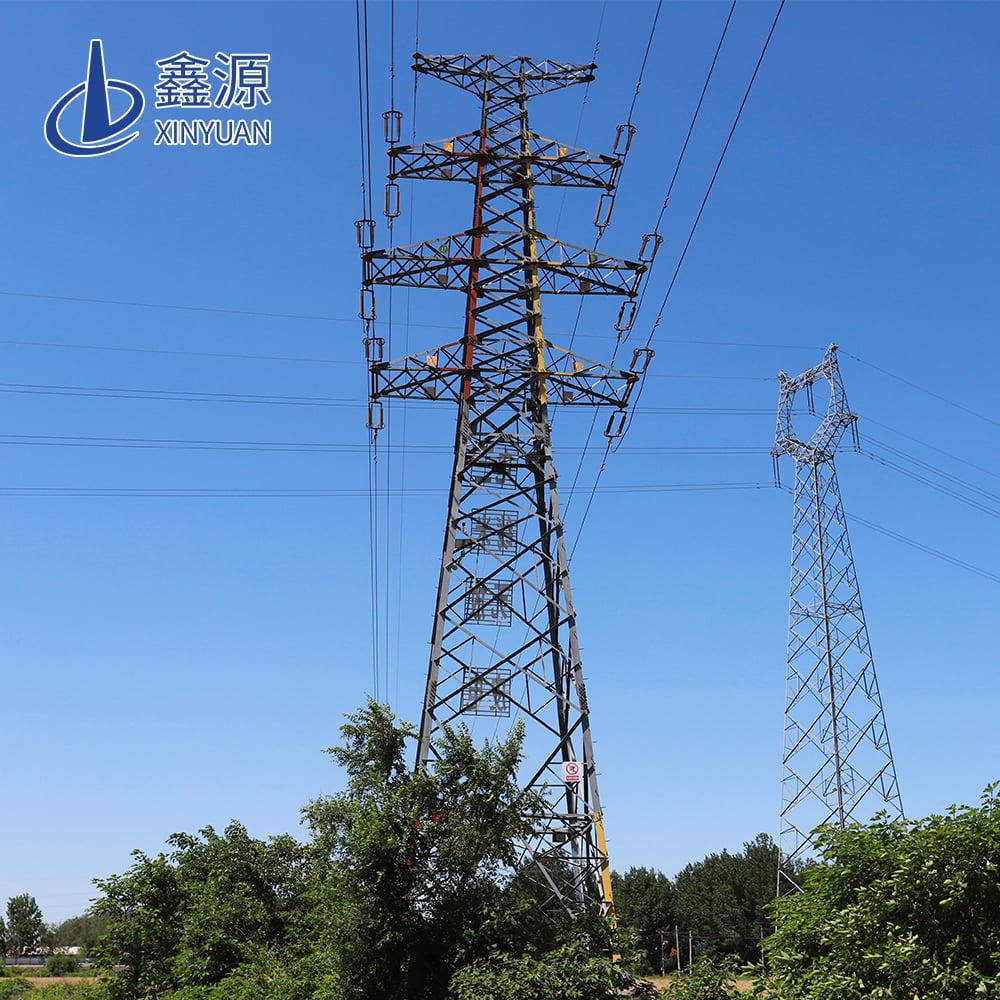
Our engineering teams navigate this dual requirement routinely: tower structures are designed to international codes including ASCE 10, IEC 60826, and EN 50341, while non-standard parameters such as localized wind speeds, ice loads, and seismic intensities receive dedicated computational analysis. Tower optimization is not about material reduction — it is about reducing stress concentration at connection nodes under equivalent loading conditions, thereby extending fatigue life across the entire structure.
Additional capabilities that weigh heavily in overseas procurement decisions include:
- Full-spectrum project management, from drawing approval and prototype trial assembly through to batch shipment
- Containerized packaging and port compatibility solutions to minimize transit impact damage during ocean freight
- Differentiated foundation connection designs for challenging terrains including mountainous, swamp, and desert environments
IV. Long-Term Value for Global EPC Partners
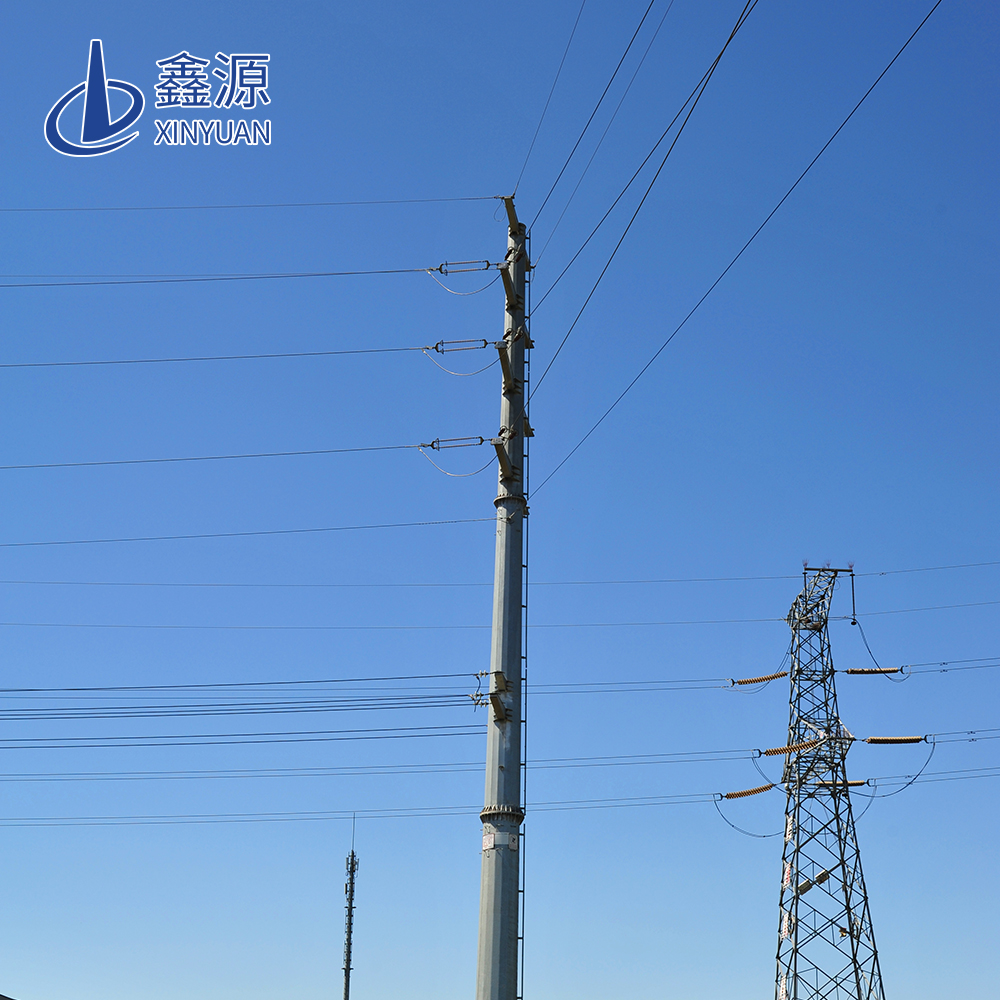
Transmission towers are not consumables — they represent infrastructure commitments spanning 30 to 50 years. The procurement logic we recognize is not "price comparison" but total lifecycle value assessment. A solution that saves 3-5% on upfront material cost but demands large-scale anti-corrosion overhaul by year 12 carries a far higher total cost of ownership than one with a properly resourced initial investment and a design life aligned with the project cycle.
If you are currently evaluating suppliers for overseas power or telecommunications tower projects, we welcome in-depth technical discussions on specifications, project references, and delivery solutions. What we offer is not merely a quotation — it is a collaborative framework spanning design, manufacturing, logistics, and on-site support.