
 EN
EN
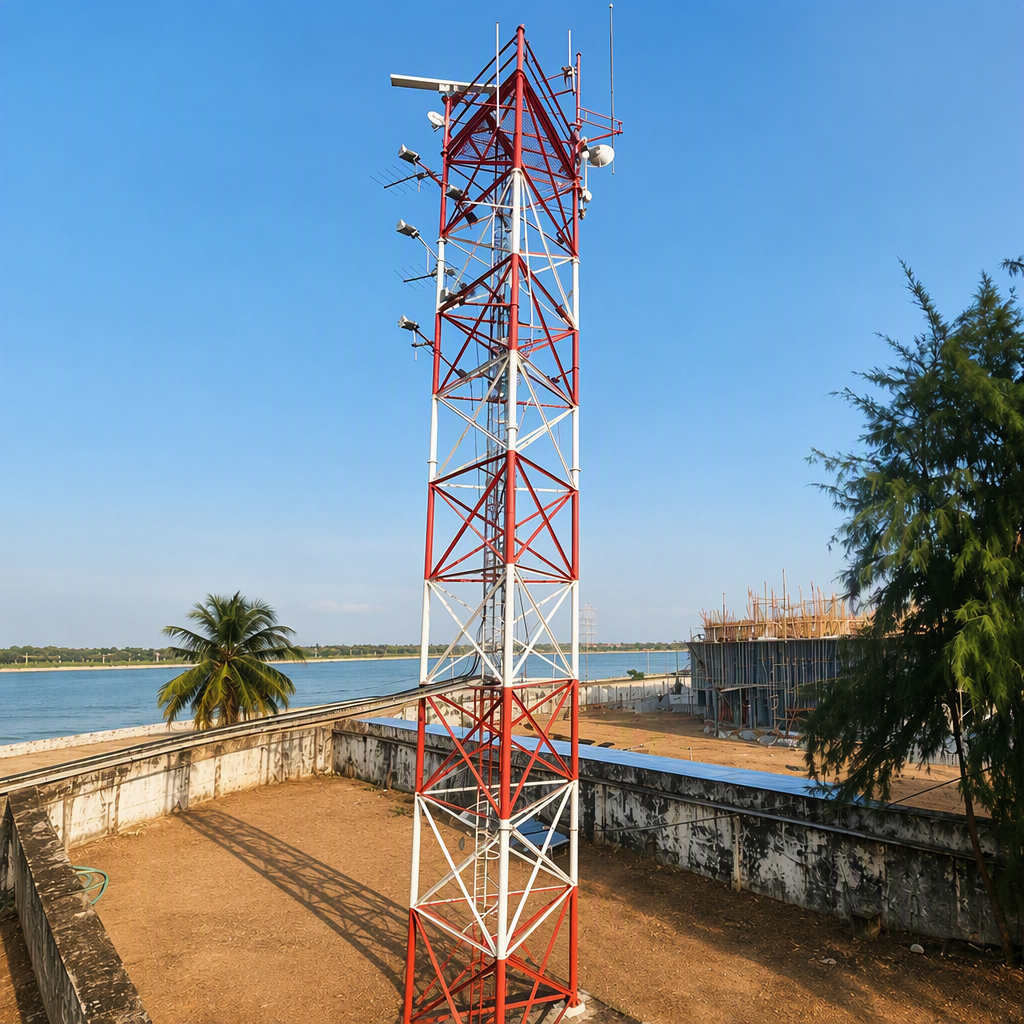
In international communication infrastructure projects, a telecom tower is far more than a standalone steel structure. A fully functional communication tower capable of reliable service over decades is a precision system composed of the main tower body and dozens of accessories working in concert. For EPC contractors and procurement managers, understanding the function and selection logic of these accessories is essential to ensuring project delivery quality.
This article takes the angle steel telecom tower as the primary reference and systematically outlines the core accessory categories that make up a complete communication tower, along with their engineering significance.
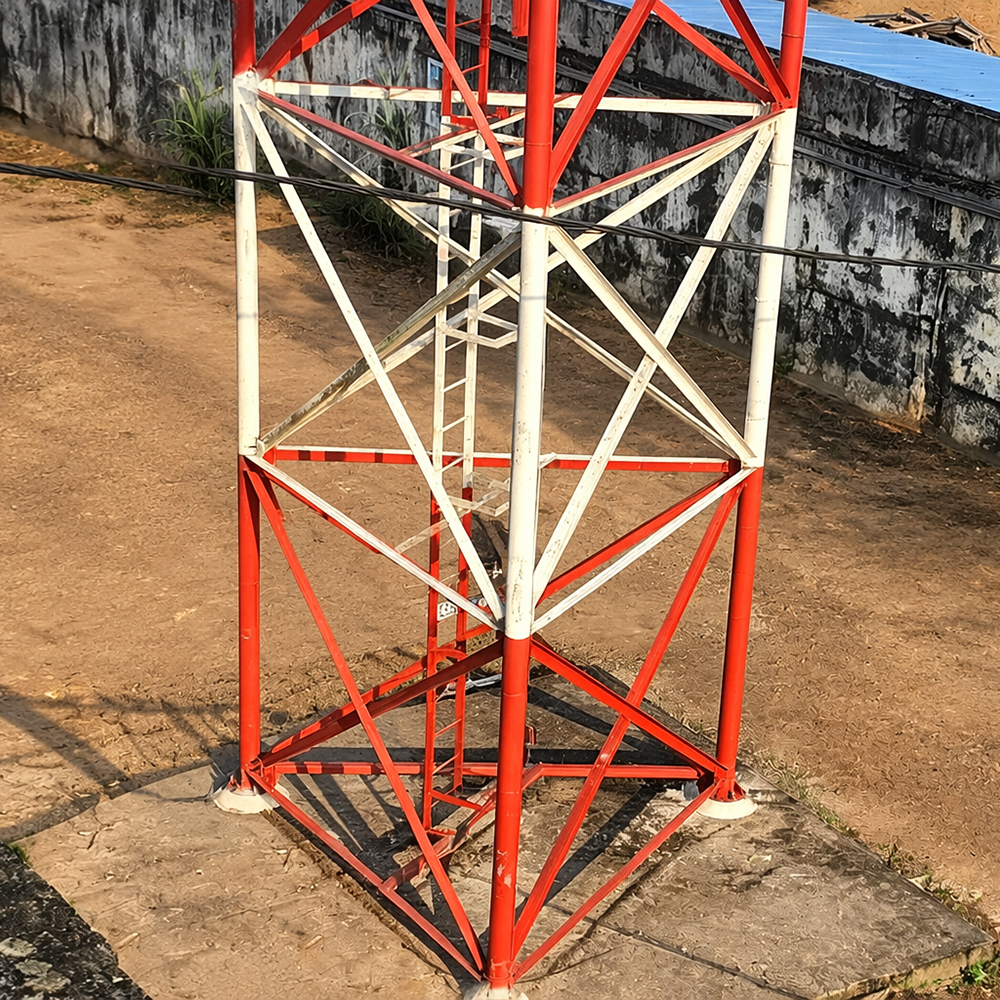
1. Foundation & Anchorage System
The safety of a communication tower begins underground. The foundation and anchorage system is responsible for transferring the entire tower load evenly to the ground, serving as the first line of defense against wind and seismic forces.
- Anchor Bolts: Typically high-strength hot-dip galvanized bolts embedded in the concrete foundation and connected to the tower base flanges. Common specifications range from Grade 8.8 to 10.9, selected according to the project site's wind loads and geological conditions.
- Base Plates: Welded to the bottom of the tower's main leg members, connected to the foundation via bolt assemblies to transfer compressive forces and bending moments.
- Grounding (Earthing) System: Comprising grounding electrodes, flat steel conductors, and resistance-reducing modules to ensure reliable dissipation of lightning currents and fault currents.
2. Tower Body Structural Components
The main body of a communication tower is typically constructed from angle steel or tubular steel members, connected by bolts or flanges to form a spatial truss system. Key structural accessories include:
- Leg Members: Bear the primary axial loads; cross-section dimensions taper with height.
- Bracing Members: Connect leg members in triangular or cross-bracing patterns to enhance overall rigidity.
- Gusset Plates / Connection Plates: Joint connectors at angle steel intersections.
- Flanges: Ring-shaped connectors used for segmental assembly of tubular towers.
- Tower Boots: Special transition components between the tower body and the foundation, designed to disperse stress concentrations.
3. Platform System
Platforms are indispensable functional accessories on a communication tower, serving the triple role of maintenance access, equipment support, and personnel rest stations.
- Rest Platforms: Installed at regular height intervals (typically every 15–20 meters) for maintenance personnel to pause and work.
- Antenna Platforms: Positioned near antenna mounting heights to support antenna installation and maintenance operations.
- Guardrails: Hot-dip galvanized steel guardrails with a minimum height of 1.1 meters, safeguarding personnel during elevated work.
4. Climbing System
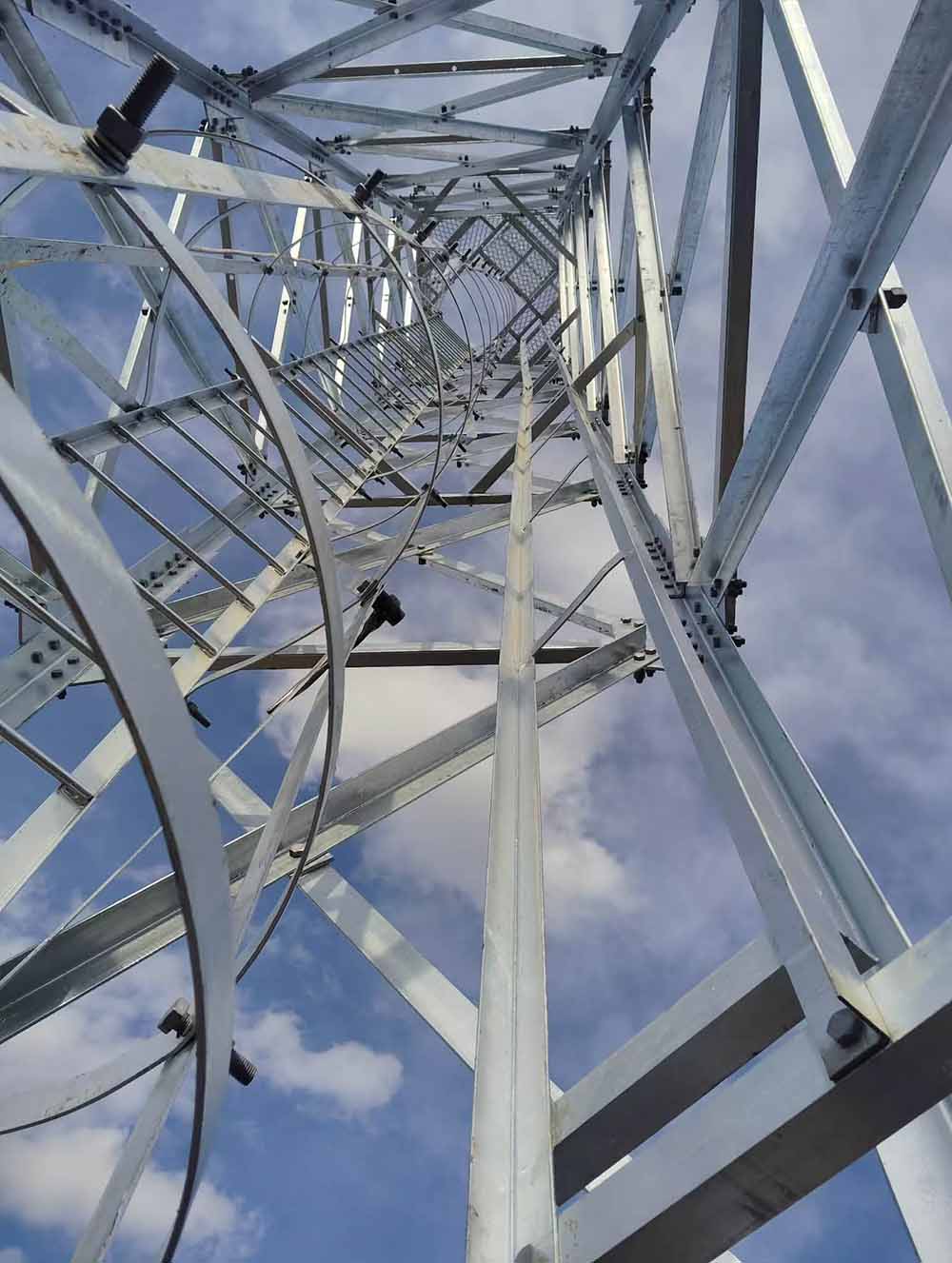
The climbing system provides vertical access for operations and maintenance personnel to reach various working levels of the tower. It must satisfy both convenience and safety requirements.
- Fixed Ladder: Typically fabricated from round or flat steel bars, installed continuously along one side of the tower.
- Safety Cage: A circular protective structure surrounding the ladder, installed from approximately 2.5 meters above ground level upward, designed to prevent falls.
- Fall Arrest Rail: Used in conjunction with a fall arrester to provide continuous fall protection. Certain overseas projects mandate a vertical lifeline system compliant with EN 353-1 or ANSI standards.
- Step Bolts: A simplified climbing alternative to a fixed ladder, commonly used on monopoles or smaller towers.
5. Lightning Protection & Earthing System
Communication towers are often the highest point in a given area and assume the crucial role of direct lightning strike protection.
- Lightning Rod / Air Terminal: Mounted at the tower peak, intercepts lightning strikes through point discharge. Common materials include hot-dip galvanized steel or stainless steel.
- Down Conductor: Runs along the tower body, channeling lightning current from the lightning rod to the grounding grid. Typically 40mm × 4mm hot-dip galvanized flat steel.
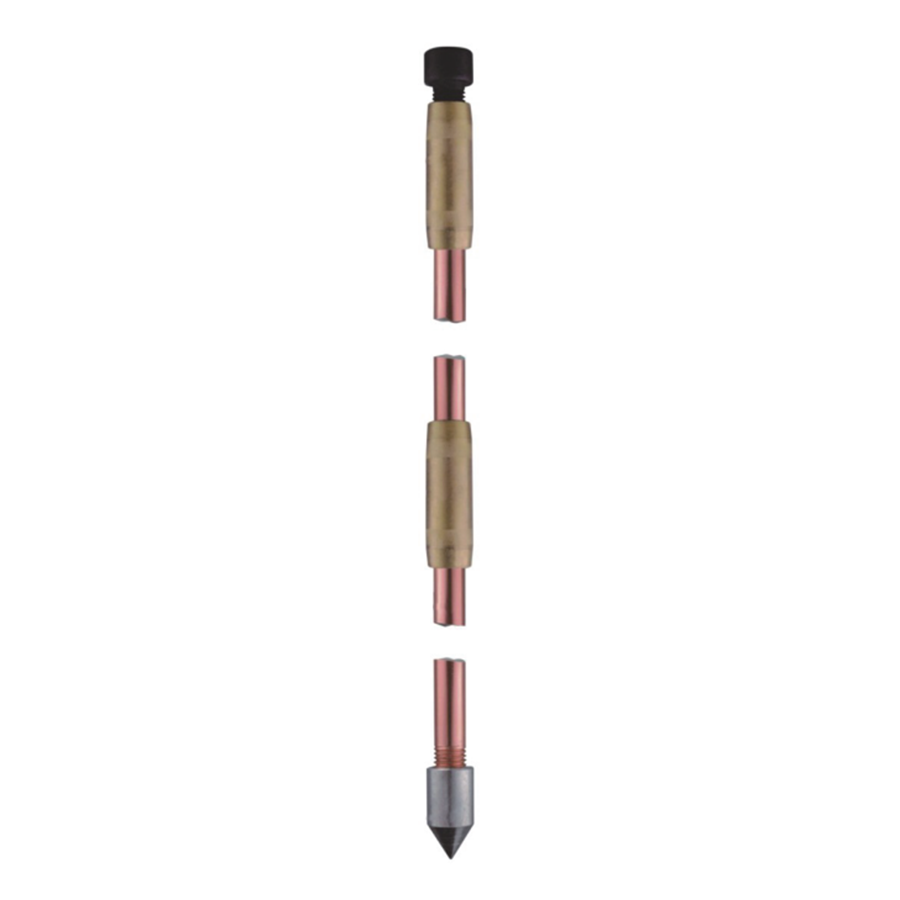
- Grounding Electrodes & Grid: Comprising angle steel electrodes, copper-clad steel rods, and horizontal grounding conductors. Grounding resistance is generally required to be ≤10Ω, with some standards requiring ≤5Ω.
6. Antenna Mounting System
Antenna mounts serve as the critical interface between the tower structure and communication equipment, directly affecting signal coverage quality and equipment operational stability.
- Antenna Mounting Pipes: Installed on the tower body or platforms to support panel antennas or microwave antennas.
- V-Boom Bracket: Used for antenna installation on monopole towers; capable of supporting multiple antennas simultaneously. Supplied partially pre-assembled to reduce on-site construction complexity.
- RRU Mounting Bracket: Designed for installing Remote Radio Units, typically supporting back-to-back dual-unit configuration.
- Microwave Antenna Mount: Used for securing antennas on point-to-point microwave transmission links.
7. Feeder & Cable Management System
Base station feeders and signal cables are numerous; organized management underpins long-term operational stability.
- Feeder Tray / Cable Ladder: Arranged vertically along the tower body to carry feeder cable runs.
- Cable Hangers: Secure feeders to the cable ladder, typically spaced at 0.8–1.2 meter intervals.
- Cable Entry Panel: Wall-mounted entry and exit ports for equipment shelters or cabinets, providing sealing and protection.
- Ice Bridge Kit: Used in cold regions to bridge the feeder transition section between the tower and equipment shelter, preventing ice and snow accumulation from severing cables.
8. Aviation Warning System
When a communication tower exceeds the height threshold specified by local civil aviation regulations (typically 30–60 meters), aviation warning devices must be installed.
- Obstruction Light: Low-intensity, medium-intensity, or high-intensity LED luminaires that operate continuously or flash at night, compliant with ICAO Annex 14 or FAA standards.
- Light Mount Bracket & Control Box: Mounting brackets for the luminaires, with photocell or timer control units.
9. Guy Wire System — Applicable to Guyed Towers
For guyed communication towers, the guy wire system is the core component maintaining structural stability.
- Guy Strand / Wire Rope: High-strength galvanized steel strands arranged in designed layers (typically 2–4 layers) evenly distributed around the tower.
- Turnbuckle: Used to adjust guy strand pretension and compensate for thermal expansion and relaxation over time.
- Guy Anchors: Embedded anchor devices in the foundation that bear the tensile forces from the guy strands.
- Cable Clamps / Wedge Clamps: Secure guy strand ends; adjustable wedge-type clamps provide both fixation and tension adjustment functions.
10. Fasteners & Connectors
Bolts and nuts, seemingly insignificant, are fundamental to the structural integrity of the entire tower.
- Hex Bolt Kits: Mainstream specifications include Grade 8.8 and 10.9, all with hot-dip galvanized treatment, conforming to ISO 898-1 standards.
- U-Bolts: Used for securing tubular components.
- Washers & Nuts: Spring washers prevent loosening; flat washers distribute pressure.
- Tamper-proof Bolts: Deployed in regions with elevated security risks to deter unauthorized disassembly.
11. Other Auxiliary Accessories
- Signage & Warning Plates: Tower identification numbers, safety warnings, and load capacity labels.
- Anti-climb Barrier: Installed around the tower base perimeter to prevent unauthorized access.
- Aviation Marker Balls: Used for visual aviation warning in specific scenarios such as river crossings or valley spans.
Conclusion
The accessory list of a complete communication tower extends far beyond common perception. From foundation anchorage to the tower-top lightning rod, from feeder management to aviation warning, each accessory fulfills an irreplaceable engineering function. For international project procurement, understanding the technical standards of these accessories (e.g., ISO, ASTM, EN specifications), material processes (hot-dip galvanizing per ASTM A123 / ISO 1461), and installation compatibility is the prerequisite for ensuring full-lifecycle reliability of the tower system.
The accessory categories listed in this article may serve as a reference framework for technical communication and procurement planning. For selection discussions tailored to specific tower types or project environments, please reach out to our technical team.
Table of Contents
- 1. Foundation & Anchorage System
- 2. Tower Body Structural Components
- 3. Platform System
- 4. Climbing System
- 5. Lightning Protection & Earthing System
- 6. Antenna Mounting System
- 7. Feeder & Cable Management System
- 8. Aviation Warning System
- 9. Guy Wire System — Applicable to Guyed Towers
- 10. Fasteners & Connectors
- 11. Other Auxiliary Accessories
- Conclusion