
 EN
EN
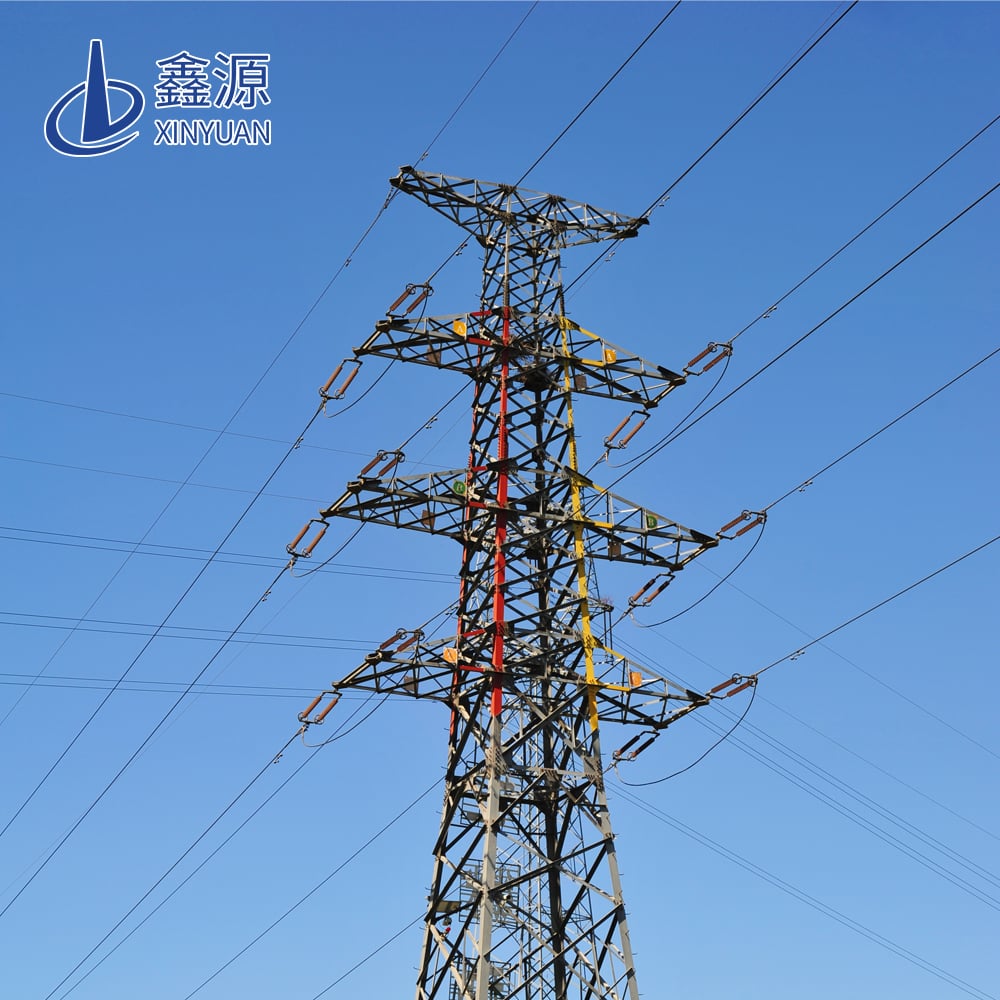
Hello everyone and welcome back to my channel! Today we are going to talk about a practical and professional topic for power industry practitioners, engineering procurement and grid construction teams: what key factors should power utilities take into account when selecting a qualified electric tower manufacturer? In the field of power infrastructure construction, many enterprises often make a common mistake in procurement and bidding. They only focus on low prices while ignoring the comprehensive strength of manufacturers. This wrong selection method will easily cause engineering rework, shortened service life of power equipment and higher long-term operation and maintenance costs. As the core infrastructure of power transmission and distribution projects, electric towers support power lines and undertake the important task of stable power transmission. Their overall quality, manufacturing technology and scene adaptability directly affect the operational stability and service life of the entire power grid, and lay the foundation for safe and reliable regional power supply.
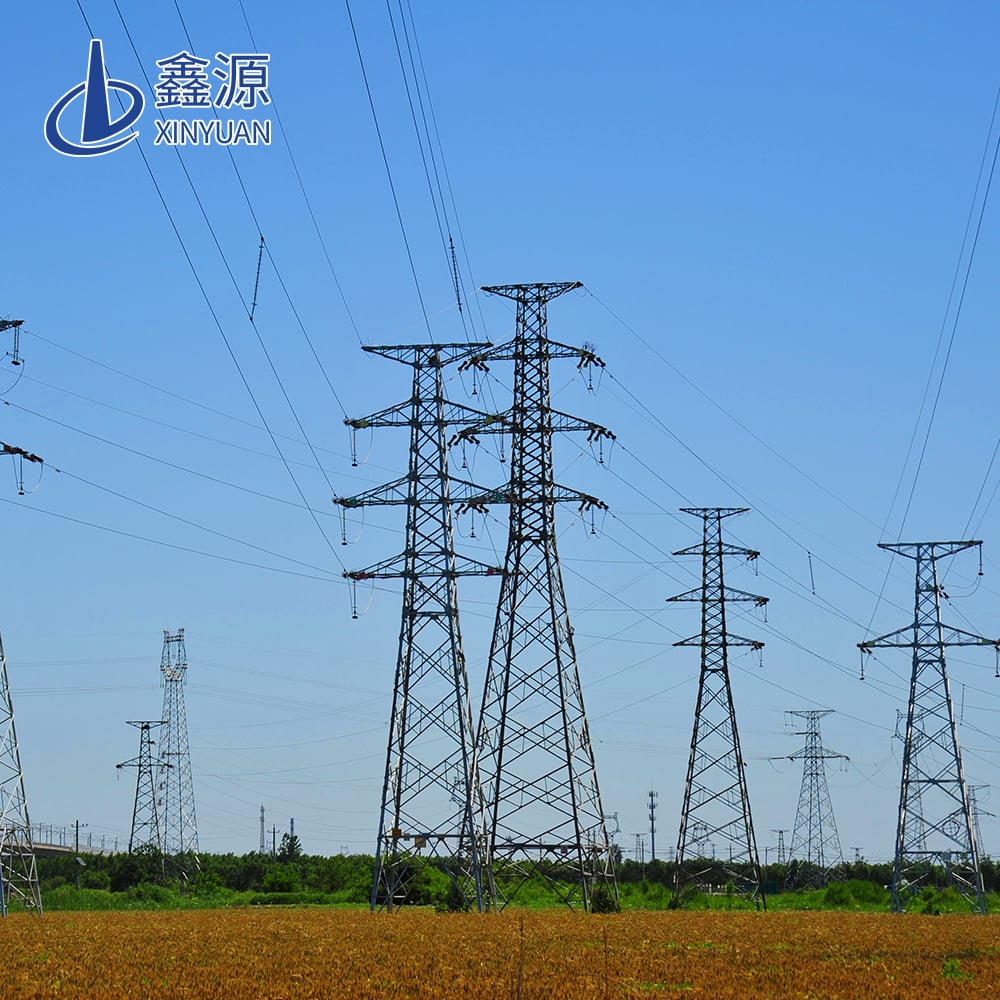
The first essential factor is the manufacturer’s formal qualifications and industry compliance capabilities. The production and manufacturing of electric towers belong to special power infrastructure production with strict industrial standards and market access thresholds. Reliable manufacturers must have complete industrial and commercial production qualifications, professional power equipment manufacturing certifications, and strictly abide by national and industrial production specifications. When screening cooperative manufacturers, power utilities need to verify complete qualification documents, official product test reports and industry certification credentials. It is necessary to avoid unqualified small workshops with incomplete qualifications and OEM production modes. Qualification is the basic guarantee of product compliance. Products produced by unqualified manufacturers cannot meet grid construction standards, which will lead to unqualified project acceptance, repeated rectification and project delay.
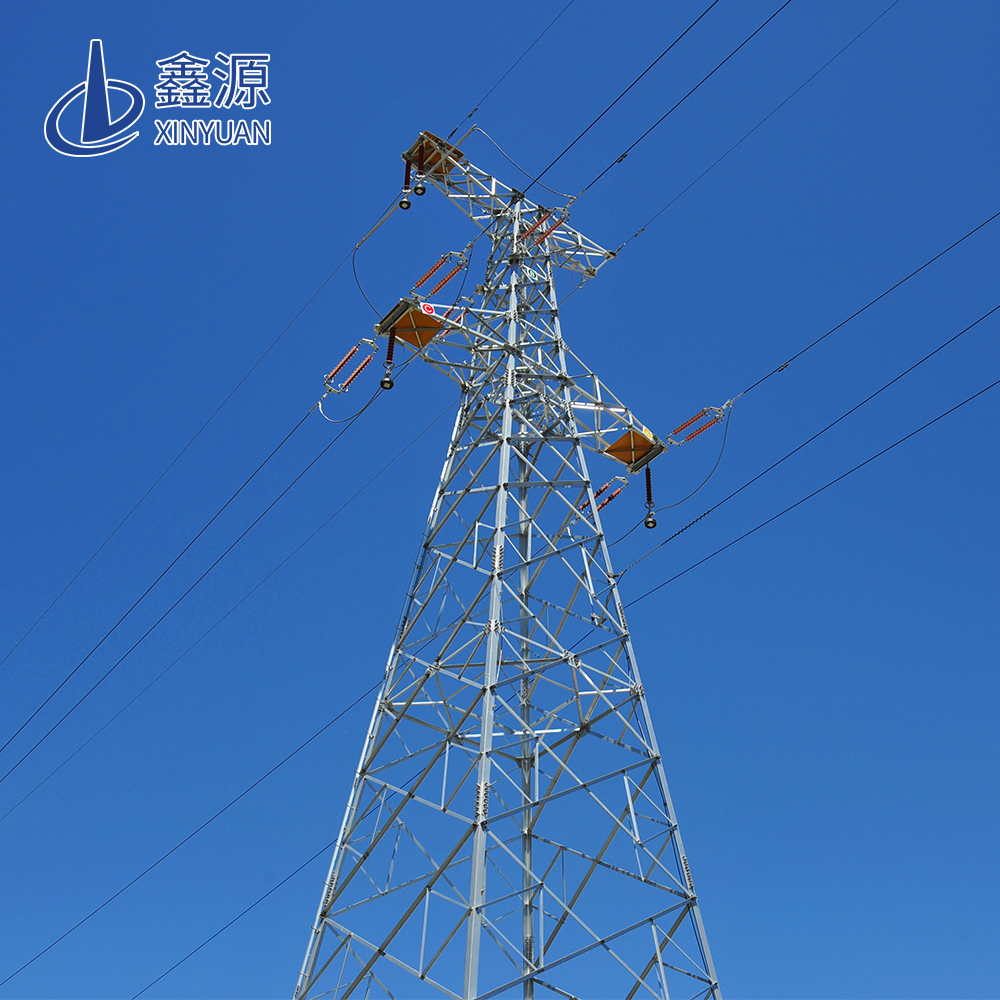
Secondly, production technology and quality control system are core evaluation indicators. The manufacturing process of electric towers includes dozens of sophisticated procedures, including steel cutting, precision bending, seamless welding, hot-dip galvanizing, surface finishing and finished product testing. Every procedure determines the structural stability, appearance quality and service performance of electric towers. High-quality manufacturers adopt automated standardized production lines and mature manufacturing techniques to ensure accurate product size, firm welding structure and stable overall performance. Meanwhile, a complete quality inspection system runs through the whole production process, including raw material sampling inspection, semi-finished product process inspection and finished product performance tests on wind resistance, pressure resistance and corrosion resistance. Strict quality control ensures that electric towers can adapt to complex outdoor environments and resist the erosion of strong wind, heavy rain, snow and high temperature all year round. Manufacturers with backward technology and imperfect quality control will produce defective products with welding flaws, peeling anti-corrosion layers and structural deformation, bringing hidden dangers to grid operation.
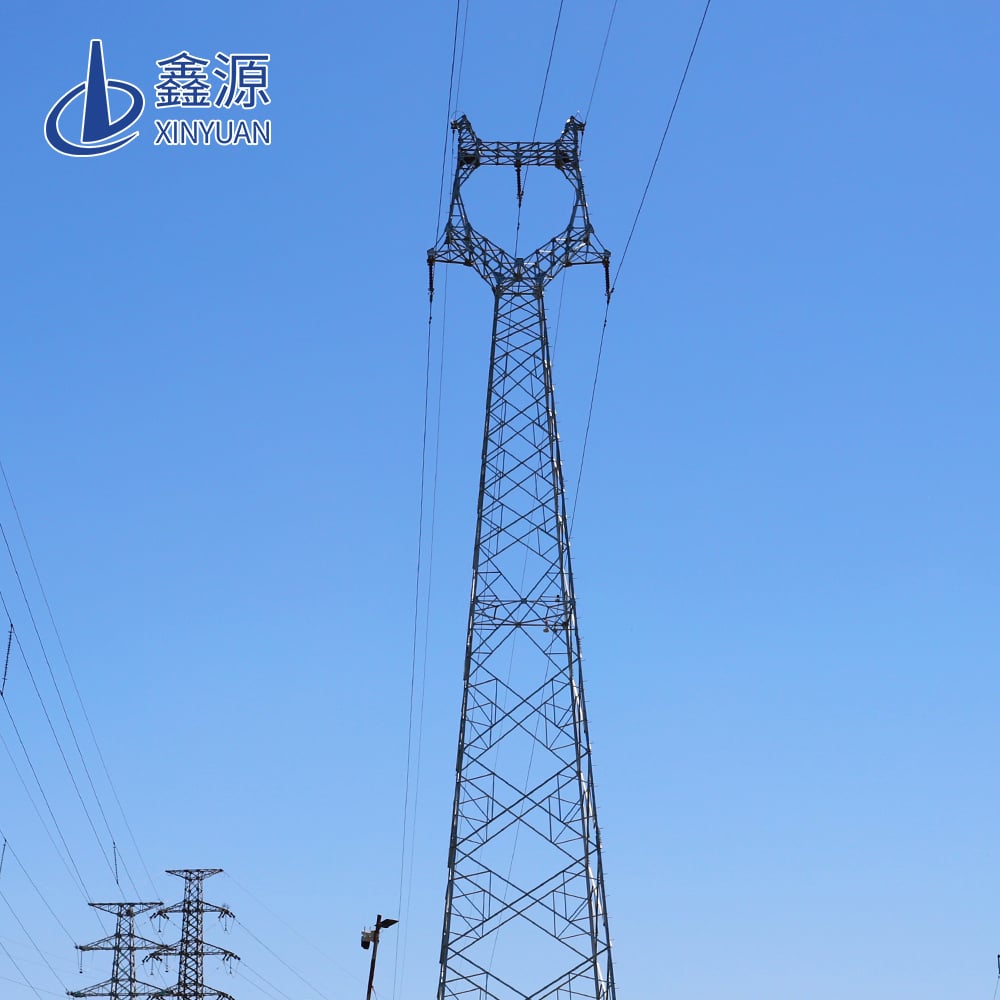
Third, raw material selection and product durability are decisive for long-term operation. High-strength structural steel is the main material of electric towers. The grade, thickness and purity of steel materials directly determine the bearing capacity, wind resistance and structural safety of towers. Formal and powerful manufacturers strictly select high-quality steel that meets industrial standards and eliminate inferior raw materials, ensuring basic product quality from the source. In addition, anti-corrosion technology is the key to extending the service life of electric towers. Standard hot-dip galvanizing treatment provides excellent corrosion resistance, enabling towers to adapt to long-term outdoor exposure and greatly reduce aging and damage risks. Many low-cost inferior products cut costs by reducing steel thickness, using poor-quality materials and simplifying anti-corrosion processes. Although they save initial investment, they will cause rust, deformation and damage in the later stage, greatly increasing grid maintenance and replacement costs.
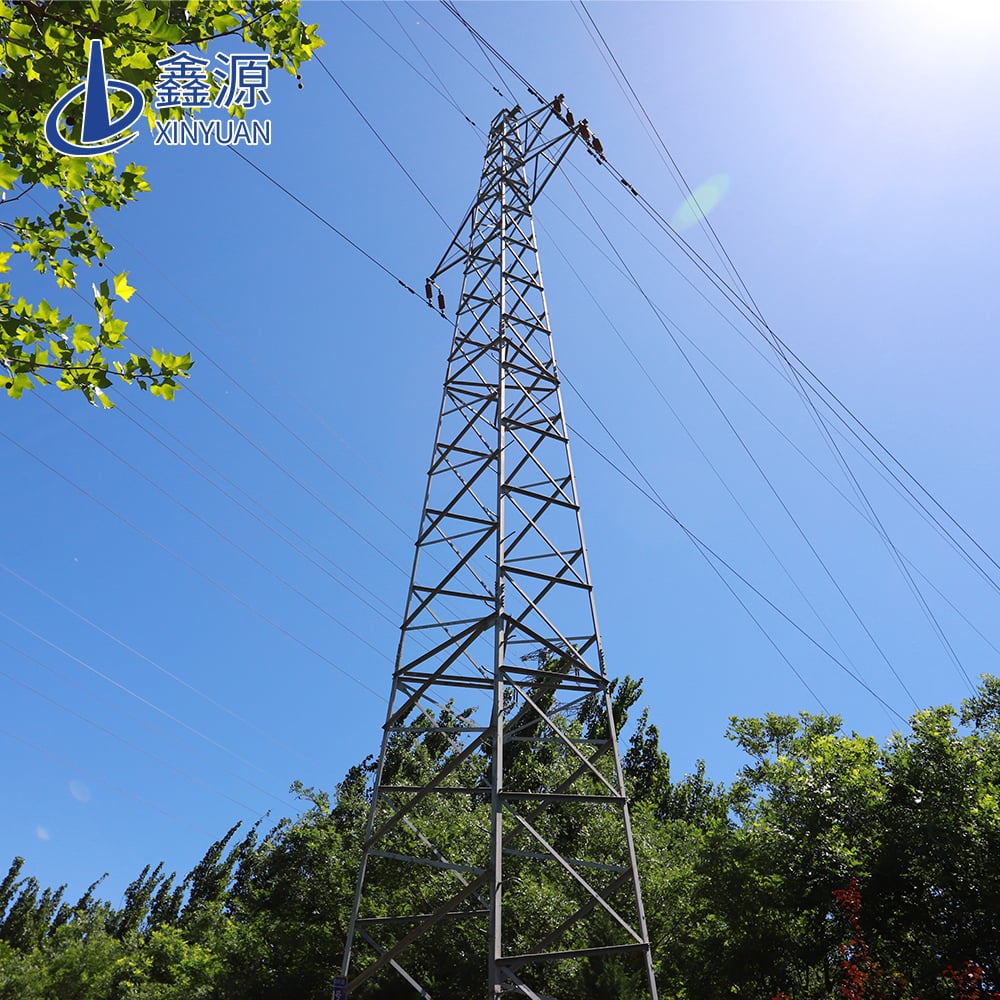
Fourth, customized R&D and scenario adaptation capabilities are indispensable for grid projects. Power grid construction scenarios vary greatly in different regions. Plain power transmission lines, mountain crossing lines, coastal high-salt environments and plateau cold regions all put forward different requirements for the height, structure, bearing capacity and weather resistance of electric towers. Professional manufacturers have independent R&D and design teams, which can provide personalized customized design and targeted production according to local terrain, climatic conditions and actual power transmission demands. They can optimize product structures on the premise of meeting safety standards to adapt to various complex engineering scenarios. In contrast, small and weak manufacturers can only produce single standard products, which cannot match customized project needs and may cause potential safety hazards in power line operation.
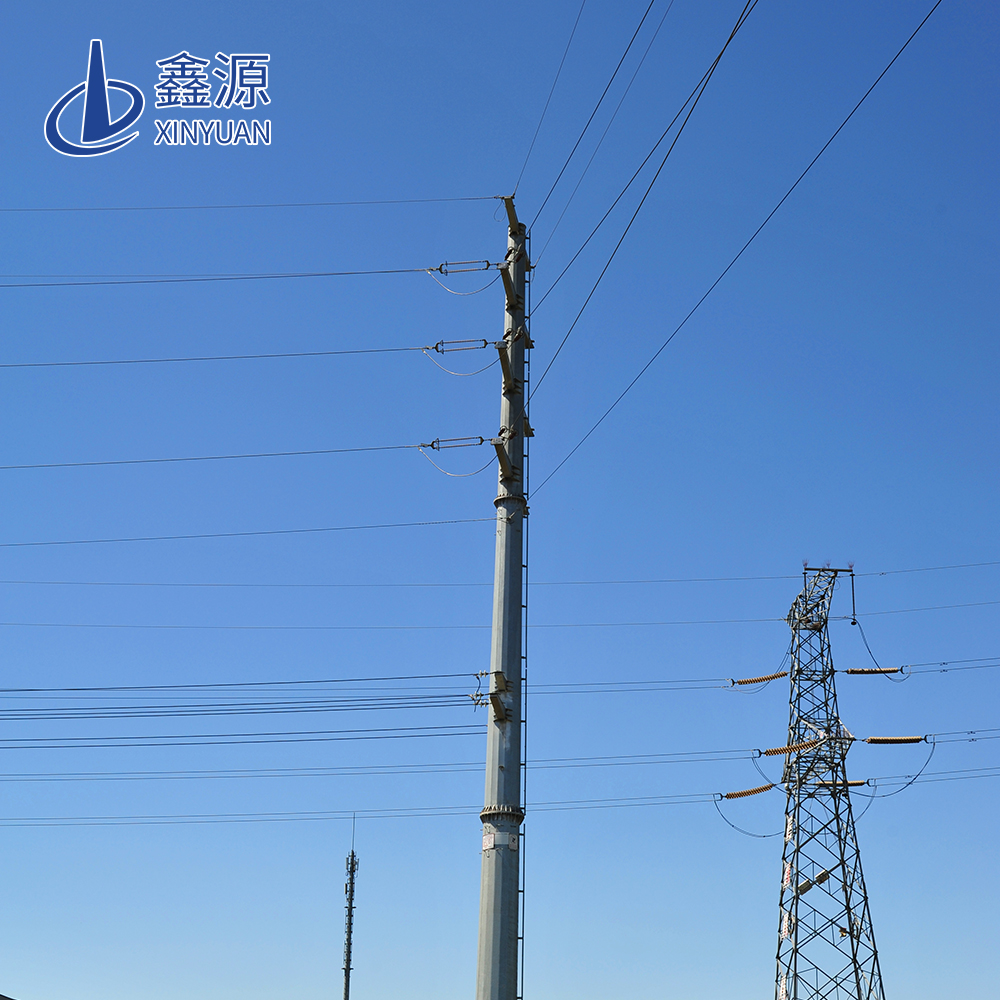
Fifth, production capacity and delivery performance must be fully verified. Power grid infrastructure projects have strict construction schedules. As the key core material, the delivery progress of electric towers directly affects the overall project construction cycle. Large-scale formal manufacturers own standardized production workshops, complete supply chain systems and sufficient production capacity. They can arrange production plans reasonably according to project schedules and ensure on-time, high-quality and quantitative product delivery to avoid project delay. Meanwhile, we can evaluate the manufacturer’s industry reputation and performance through their past grid engineering cases and long-term cooperation experience with power utilities, giving priority to manufacturers with good performance and rich project experience.
Finally, a complete after-sales technical service system provides long-term cooperation guarantees. Electric towers are long-term infrastructure equipment that require professional technical support throughout the whole cycle, including pre-project technical consultation, scheme optimization, on-site installation guidance and after-sales operation maintenance consultation. Excellent manufacturers provide full-cycle supporting services, respond to technical problems in a timely manner, and help power enterprises reduce operation and maintenance pressure. Manufacturers that only focus on pre-sales sales without complete after-sales systems cannot solve product and technical problems in time, which will seriously affect the stable operation of the power grid.
To sum up, power utilities should never take price as the single evaluation standard when selecting electric tower manufacturers. It is necessary to comprehensively assess six core dimensions: qualification compliance, process quality, raw material quality, customization capability, delivery performance and after-sales service. Abandoning the low-price priority misunderstanding and choosing powerful, standardized and reputable manufacturers is the key to ensuring grid engineering quality and maintaining long-term safe and stable power transmission. That’s all for today’s sharing. Feel free to share your selection experience in the comment section. Don’t forget to like and subscribe! See you next time.